

Morning matters. For busy women juggling work, family, hormones, and a to-do list that never ends, the first hour of the day quietly decides how the next 12 hours will feel. These are the exact morning habits I use on YourDietExpert.com that reshaped my energy, improved my mood, and helped me lose stubborn fatigue without fad hacks. This post is written for women — teens, busy mums, professionals, and midlife changers — with practical, science-friendly steps and realistic tweaks so you can pick what fits your life and actually keep it.
(Quick note: this is not medical advice. If you have a diagnosed condition — PCOS, thyroid disease, pregnancy, or are on medication — run these ideas past your healthcare provider.)
TL;DR — The 10 habits
- Drink a tall glass of water (with lemon if you like).
- Move first: 5–20 minutes (stretch, walk, or gentle yoga).
- Breathe or meditate for 3–10 minutes.
- Bright light exposure (sun or lamp) within 30 minutes of waking.
- Protein-forward breakfast or high-protein quick swap.
- A 2-minute gratitude or intention journal.
- Limit phone + social media for the first 30–60 minutes.
- Cold/contrast splash or shower (optional, energy booster).
- A targeted supplement or adaptogen if it helps you (clinician guided).
- A simple planning ritual (top 3 wins for the day).
Why morning habits matter — especially for women
Hormones follow rhythm. Cortisol, estrogen, progesterone, insulin and melatonin rise and fall in cycles that affect energy, cravings, mood and sleep. A consistent, intentional morning routine helps anchor circadian rhythm, lowers stress reactivity, stabilizes appetite cues and nudges your metabolism in a healthier direction. Small repeated actions compound. Think of mornings as the deposit you make toward the rest of your day.
The habits — with actionable steps, why they work, and real-life tweaks
1) Hydrate first — reclaim lost water and wake your metabolism

Why: You lose water overnight; dehydration increases fatigue and can trigger sugar cravings. Water jump-starts digestion and cognitive clarity.
Action: Keep a 400–600 ml bottle by the bed. Drink a full glass within 10 minutes of waking. Add a squeeze of lemon for taste and vitamin C (optional).
Quick tweak: If plain water is hard early, try warm water or an herbal tea mug. For those with reflux, room-temp water is gentler.
2) Move before you scroll — 5–20 minutes of purposeful movement
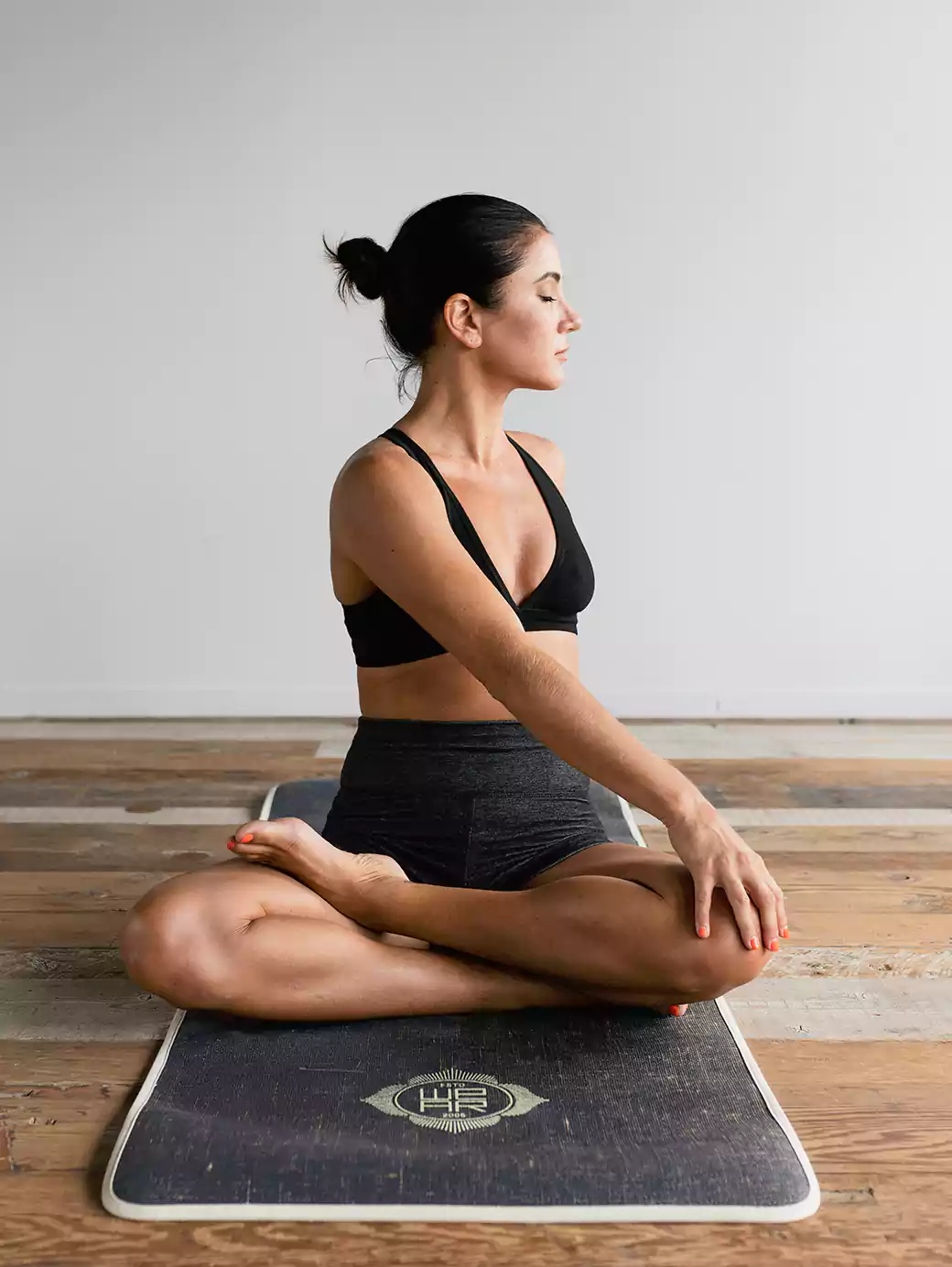
Why: Movement increases blood flow, helps regulate cortisol, and primes muscles for glucose uptake. For women, gentle movement supports mood and reduces PMS discomfort.
Action: 5 minutes = dynamic stretching + two short walks up and down stairs. 10–20 minutes = yoga flow, bodyweight circuit, or brisk walk outside.
Sample mini routine (10 min): 2 min marching in place, 3 min full-body stretches, 5 min brisk walk or sun salutations.
Busy-mum hack: Do 3 minutes now, 7 minutes while the kettle boils.
3) Breathe, center, or meditate — 3 to 10 minutes of calm

Why: Even a few minutes of breathwork lowers morning cortisol spikes, improves focus and sets intention. This protects against reactive eating and morning stress.
Action: Try box breathing (4-4-4-4) or a simple 60-second inhale/exhale slow count. Use a guided app for 5–10 minutes if you prefer voice cues.
Starter script: “Inhale 4 — hold 2 — exhale 6.” Repeat 6 times. Notice shoulders drop.
4) Get bright light within 30 minutes — reset your clock

Why: Light (natural is best) tells your brain it’s daytime and suppresses melatonin, improving alertness and sleep later. This is crucial for hormone balance and mood.
Action: Step outside for 5–10 minutes. If you can’t, sit by a bright window or use a 10–20 minute light therapy lamp in darker months.
For night-shift or winter: Use a lamp that delivers ~10,000 lux at the recommended distance (follow manufacturer guidance).
(I used to rely on coffee to survive mornings. After consistently getting light and a few minutes of movement, coffee became a pleasure, not a rescue.)
5) Prioritize protein at breakfast — steady energy, fewer cravings

Why: Protein reduces mid-morning crashes and supports muscle mass and satiety. For women balancing hormones or trying to lose stubborn fat, protein at breakfast is a small change with big returns.
Action: Aim for 15–25 g protein in your first meal. Examples: Greek yogurt + berries + nut topping, scrambled eggs and spinach, protein smoothie (protein powder + milk + frozen berries + spinach).
Quick swaps: If you’re time-poor, grab a high-protein bar (check sugar), a boiled egg and a piece of fruit, or cottage cheese with cinnamon.
6) Journal a short gratitude + intention — 2 minutes to direct your day

Why: Gratitude journaling rewires attention to what’s working, reduces negative rumination, and strengthens emotional resilience. Pairing it with a daily intention increases follow-through on priorities.
Action: Two lines: (1) Three things you’re grateful for. (2) One intention: “My top win today is ___.” Keep a small notebook on your counter.
7) Delay phone and doom scrolling — guard your mind for the first hour

Why: Social media fuels comparison, cortisol spikes, and reactive decision-making (e.g., emotional eating). Protect your first hour for self-care, not feeds.
Action: Use Do Not Disturb or an app blocker for 30–60 minutes. Replace phone time with movement, journaling, or a nourishing breakfast.
8) Cold or contrast splash — an optional energy ritual

Why: Brief cold exposure can boost alertness, mood, and circulation. It’s not for everyone (avoid if you have cardio issues).
Action: Finish your shower with 20–30 seconds of cooler water, or splash cold water on your face. Start gentle and increase only if it feels good.
Alternative: Contrast—warm shower then 10–20 seconds cold.
9) Use targeted supports mindfully — supplements, adaptogens & targeted foods

Why: Certain supplements (e.g., iron if deficient, vitamin D, omega-3s) and adaptogens (ashwagandha, rhodiola) can help energy and stress — but they’re not a substitute for sleep and routine.
Action: Get labs if you suspect deficiency (iron, B12, vitamin D, thyroid). Work with your clinician before starting adaptogens or hormones.
Note: Food-first is best: include iron-rich breakfasts and vitamin-D sources where possible.
10) Plan with a “top-3 wins” ritual — small, realistic focus beats endless to-do lists
Why: Overwhelm kills momentum. Choosing three outcomes turns your day into a series of wins and reduces decision fatigue.
Action: Jot your top three must-dos in order. If time runs out, you still win.
Bringing it together: a realistic 20–minute morning (for busy women)
0:00–0:05 — Water + quick breathwork (glass of water, 60–90 seconds breathing).
0:05–0:15 — Movement: 10-minute walk or yoga + light exposure (step outside).
0:15–0:20 — Protein breakfast prep and a 2-minute gratitude note.
0:20 — Phone unlock + check real messages only. Top-3 planning before diving into email.
Swap times to suit you — the key is sequence: hydrate → move → feed → plan.
A 30-day habit ladder (how to build these without burning out)
Week 1: Hydrate + top-3 wins every day.
Week 2: Add 5–10 minutes movement and 60 seconds breathwork.
Week 3: Add protein breakfast and light exposure.
Week 4: Add 2-minute journaling and a phone-limit habit.
By day 30: You’ll have 5–7 of the habits ingrained — pick the ones that stick.
Tools & gentle gear that help
- Reusable 500 ml bottle by the bed.
- Simple journal and pen.
- Comfortable mat for morning stretches.
- Light therapy lamp for winter (follow safety directions).
- Easy protein options: Greek yogurt, eggs, canned tuna, protein powder.
- A small cold face washer or shower timer for contrast showers.
Quick variations for different life stages
- Pregnant/breastfeeding: prioritize hydration, gentle movement, and increased protein. Skip intense cold if you feel uncomfortable; always check with OB.
- Menopause: focus on consistent light exposure (sleep rhythms) and protein to protect muscle and bone.
- Shift workers: anchor your wake with light therapy and consistent meal timing to support circadian rhythm.
FAQs (concise answers women ask most)
Q: How long before I’ll see results?
A: Small wins appear in days (more energy, clearer mornings). Habit change and body composition take weeks–months. Focus on consistency over perfection.
Q: What if I hate mornings?
A: Start with hydration and 2 minutes of breathing. Win the first tiny step and build from there. Even 5 minutes counts.
Q: Can I skip breakfast?
A: If intermittent fasting works for you and you feel great, keep it. But for many women, a protein-rich breakfast stabilizes hormones and hunger.
Q: Do I need supplements?
A: Not necessarily. Run labs with your clinician if you suspect deficiency before starting anything new.
Try one habit this week — hydrate first thing for 7 days. Notice changes and report back below — I read every comment and love hearing what works for you.




Leave a Reply