
1. Warm Introduction
Some of the best recipe ideas are born out of a quiet craving — not the loud, junk-food kind, but the kind that shows up after a long day when you still want to stay aligned with your goals. That’s exactly how this High-Protein Blueberry Cheesecake Cottage Cheese Ice Cream came into my life. I wanted something cold, creamy, and comforting, yet I didn’t want to undo a day of mindful eating or training. Ice cream sounded perfect, but not the sugar-heavy kind that leaves you sluggish afterward.
What makes this recipe special is that it hits that emotional sweet spot for people who care about their health. Fitness enthusiasts, muscle builders, and anyone following a high-protein lifestyle often struggle to find desserts that feel indulgent without being nutritionally empty. This ice cream solves that problem beautifully. It’s thick, cheesecake-like, naturally sweet, and loaded with protein — all without an ice cream machine or complicated steps.
The first spoonful surprises you. It doesn’t taste like a “healthy alternative.” Instead, it tastes like a creamy blueberry cheesecake that just happens to support your goals. That balance — enjoyment without guilt — is exactly why this recipe deserves a permanent place in a macro-friendly recipe collection.
2. What Makes This Recipe Stand Out
At a glance, this may look like another viral cottage cheese dessert. However, what sets this one apart is intention. Every ingredient plays a role in making the ice cream both satisfying and functional.
The protein content is impressively high for a dessert. Cottage cheese provides a slow-digesting, casein-rich protein that supports muscle recovery and keeps you full longer than traditional ice cream ever could. When paired with Greek yogurt and optional protein powder, the result is a dessert that genuinely contributes to daily protein targets rather than competing with them.
Another reason this recipe stands out is its macro balance. Instead of relying on heavy cream and refined sugar, it uses whole-food fats, natural sweetness from blueberries, and controlled carbohydrate levels. That balance makes it suitable for cutting, maintenance, or even lean bulking phases when cravings tend to increase.
Meal prep friendliness is another major advantage. This ice cream stores well, scoops beautifully after a short rest, and works as a planned treat rather than an impulsive one. Most importantly, it tastes indulgent. The texture is creamy, the blueberry flavor is bright, and the cheesecake notes make it feel like a true dessert — not a compromise.
3. Personal Blogger Note
I first made this ice cream on a warm evening after training when my appetite was high, but my motivation to cook was low. I didn’t want another protein shake, and I definitely didn’t want to reach for packaged sweets. I needed something that felt like a reward but still aligned with the way I eat.
Blending cottage cheese into ice cream felt risky at first. I worried it would taste grainy or overly “healthy.” That fear disappeared the moment I tasted the finished result. It was smooth, rich, and surprisingly luxurious. The blueberry swirl gave it a dessert-shop feel, while the cheesecake flavor made it deeply comforting.
Since then, this recipe has become one of my favorite ways to end the day. It’s especially helpful during weeks when cravings hit harder, because it reminds me that consistency doesn’t require deprivation. Sometimes, it just requires smarter recipes.
4. Equipment Needed
One of the reasons this recipe is so accessible is that it doesn’t require specialized equipment.
A high-speed blender or food processor is essential for achieving a smooth, ice-cream-like texture. This step breaks down the cottage cheese curds completely, which is key to avoiding graininess.
A mixing bowl helps you gently fold in blueberry swirls or texture add-ins without over-blending. This keeps the final result visually appealing and layered rather than uniform.
A freezer-safe container with a lid is important for storage. Shallow containers work best because they freeze evenly and are easier to scoop.
A silicone spatula allows you to scrape every bit of the mixture from the blender and smooth the top before freezing, which helps prevent ice crystals.
That’s it — no churner, no special attachments, and no complicated cleanup.
5. Ingredients With Substitutions
Main Ingredients
Cottage cheese (2% or 4%) – 2 cups
This is the protein backbone of the recipe. Cottage cheese provides creaminess when blended and delivers slow-digesting protein that supports muscle recovery and satiety.
Substitution:
Low-fat cottage cheese works but produces a slightly icier texture. Full-fat versions create the creamiest result with higher calories.
Plain Greek yogurt – 1 cup
Greek yogurt enhances the cheesecake flavor while boosting protein and improving texture.
Substitution:
Skyr works similarly with slightly thicker consistency. Dairy-free yogurt lowers protein and softens flavor intensity.
Frozen blueberries – 1½ cups
Blueberries add natural sweetness, antioxidants, and a beautiful color contrast.
Substitution:
Fresh blueberries work, but freezing them first improves thickness.
Natural sweetener (honey, maple syrup, or calorie-free sweetener) – to taste
Sweetens the ice cream without refined sugar overload.
Substitution:
Date syrup or stevia blends work depending on calorie goals.
Vanilla extract – 1 teaspoon
Rounds out flavor and enhances the cheesecake profile.
Lemon juice – 1 teaspoon
Brightens flavor and balances richness, mimicking classic cheesecake tang.
Optional vanilla protein powder – ½ scoop
Boosts protein further and thickens texture.
Substitution:
Omit if preferred; texture will be slightly softer.
6. Step-by-Step Cooking Process
Preparing the Base
Start by adding cottage cheese, Greek yogurt, vanilla extract, lemon juice, and sweetener to a blender. Blend on high until completely smooth. This step is crucial — blend longer than you think to eliminate any grainy texture.
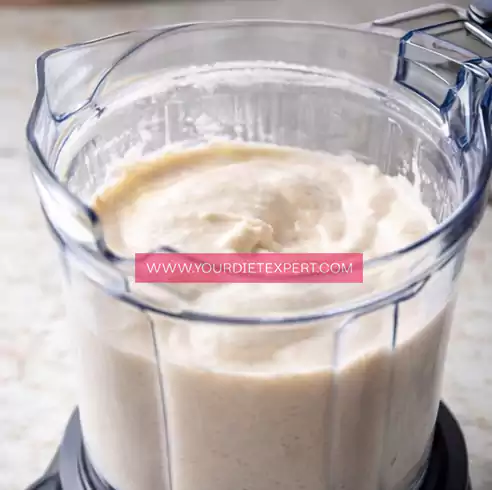
Pause occasionally to scrape down the sides so everything blends evenly. The mixture should look glossy and thick, similar to soft-serve ice cream.
Creating the Blueberry Layer
Add frozen blueberries to the blender or pulse them separately for a swirl effect. Blending fully creates a uniform blueberry cheesecake ice cream, while pulsing allows you to fold in visible blueberry ribbons later.
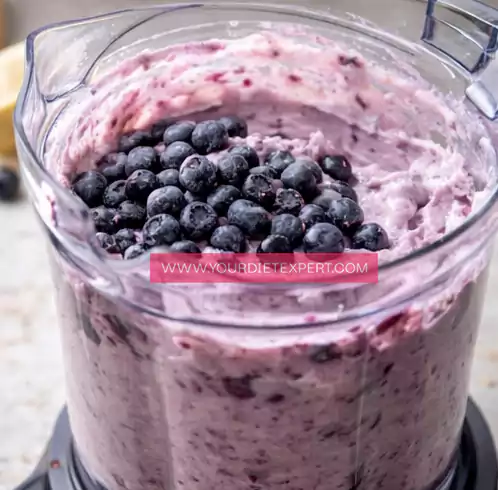
Taste and adjust sweetness if needed. Blueberries vary in sweetness, so this step ensures balance.
Freezing and Setting
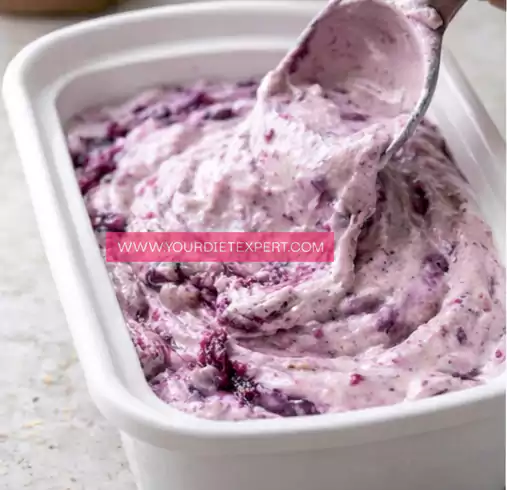
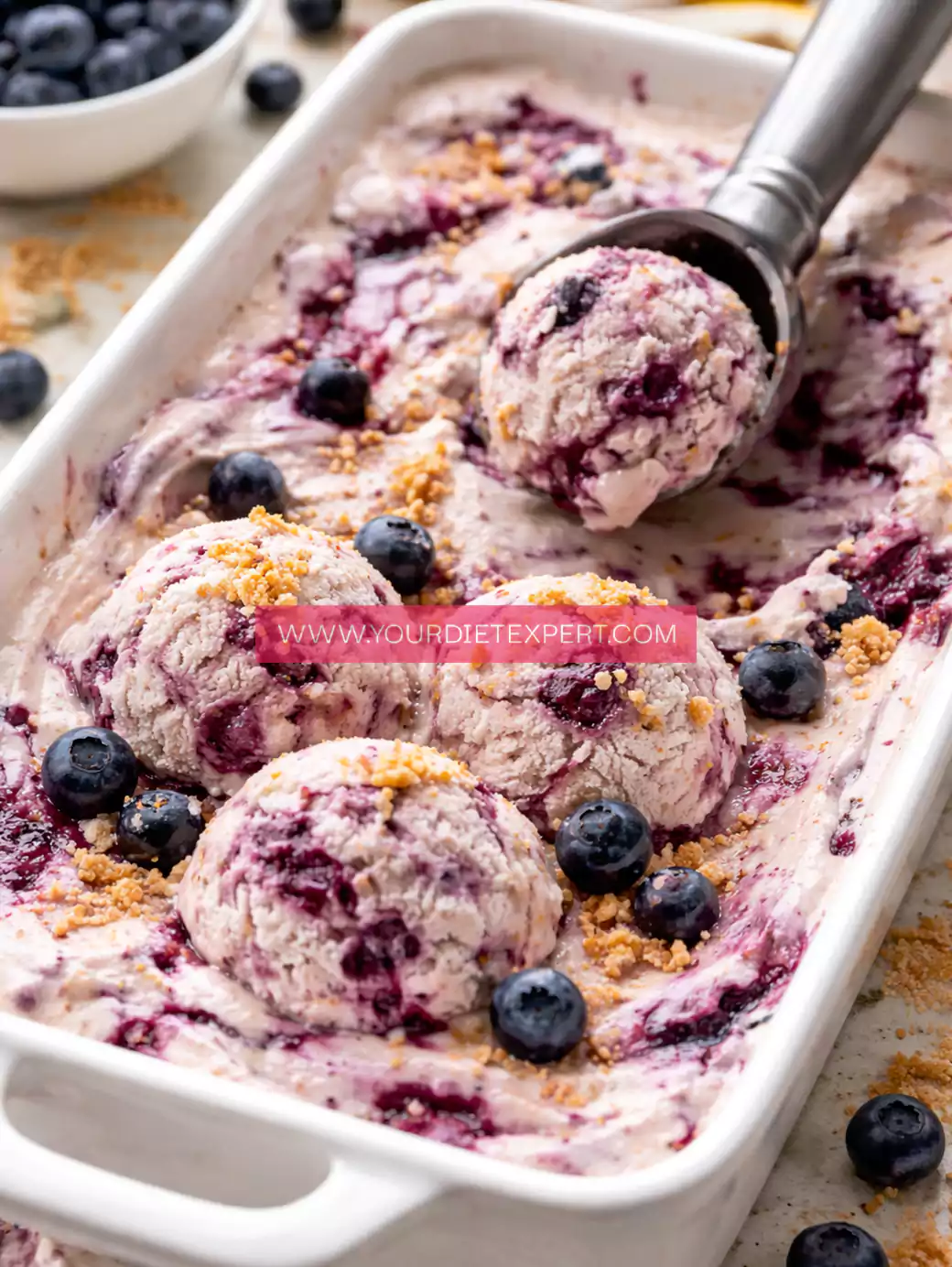
Transfer the mixture to a freezer-safe container and smooth the top. Cover tightly and freeze for 2–3 hours until firm but scoopable. Letting it rest at room temperature for 5 minutes before serving improves texture.
7. Health & Nutrition Insights 💪
This recipe supports high-protein, balanced eating by providing sustained energy rather than quick sugar spikes. Casein-rich protein from cottage cheese digests slowly, supporting muscle repair and overnight recovery.
Blueberries contribute antioxidants that help reduce exercise-induced inflammation, while healthy fats improve hormone balance and nutrient absorption. Together, these elements make the dessert both functional and enjoyable.
8. High Protein Plan & Macro Insights 📊
Each serving delivers approximately 28–32 g of protein, depending on protein powder use. Carbohydrates remain moderate, fats stay controlled, and fiber supports fullness.
This ice cream fits well as a post-workout recovery treat, evening dessert, or planned sweet during a calorie-controlled phase. Portioning into small containers helps maintain consistency without feeling restricted.
9. Serving + Pairing Ideas 🍽️
One of the best things about this High-Protein Blueberry Cheesecake Cottage Cheese Ice Cream is how versatile it is once it’s set. It works beautifully as a simple scoop-on-its-own dessert, yet it also pairs well with other foods depending on your nutrition goals for the day.
For a lighter serving, enjoy it straight from the freezer with a few extra fresh blueberries on top. This keeps the dessert refreshing and naturally sweet without adding many calories. If you want a slightly more indulgent feel, a small sprinkle of crushed nuts or granola adds texture while still keeping the meal balanced.
For those using this as part of a recovery-focused plan, pairing it with a protein-forward snack such as a handful of roasted chickpeas or a hard-boiled egg creates a surprisingly satisfying post-workout combo. The mix of slow-digesting protein and natural carbohydrates supports muscle recovery and sustained energy.
This recipe also works well for fitness meal prep days. Portion it into individual freezer-safe containers so you always have a planned, macro-friendly dessert ready instead of reaching for less nutritious options late at night.
10. Storage & Meal Prep Tips 🧊
Proper storage is key to maintaining the creamy texture of this ice cream. Once frozen, keep the container tightly sealed to prevent ice crystals from forming on the surface.
For best results, store in the freezer for up to 5 days. While it can technically last longer, the texture is at its peak within the first few days.
Before serving, let the ice cream sit at room temperature for 5–10 minutes. This short rest softens it just enough to scoop smoothly without melting.
If you plan to prep multiple servings, divide the mixture into smaller containers before freezing. This not only helps with portion control but also reduces repeated thawing and refreezing, which can affect texture.
11. FAQ Section ❓
Can I make this dairy-free?
Yes, but the texture and protein content will change. Use a dairy-free cottage cheese alternative and plant-based yogurt, understanding that the final result will be less creamy and lower in protein.
How much protein is in one serving?
Each serving contains approximately 28–32 grams of protein, depending on whether protein powder is added and the dairy products used.
Can I use plant-based protein powder?
You can, though plant-based protein powders may slightly affect texture and flavor. Blending thoroughly helps maintain smoothness.
Is this safe to prep for the week?
Yes. When stored properly, it holds well for several days and works perfectly as a planned high-protein dessert.
Does it taste like cottage cheese?
Not at all. Once blended, the cottage cheese becomes completely smooth and neutral, allowing the cheesecake and blueberry flavors to shine.
12. Kitchen Tips & Troubleshooting Notes
If your ice cream tastes grainy, it usually means the base wasn’t blended long enough. Continue blending until the mixture looks glossy and completely smooth.
For a softer texture, reduce freezer time slightly or add a small splash of milk or yogurt before blending. For a firmer scoop, freeze longer and let it rest briefly before serving.
If the blueberry flavor feels muted, add a pinch of lemon zest to brighten it naturally without adding sweetness.
When using protein powder, add it gradually and blend thoroughly to prevent clumps and maintain a creamy consistency.
13. Nutrition Breakdown (Approximate, Per Serving)
- Calories: ~280–320 kcal
- Protein: 28–32 g
- Fat: 6–9 g
- Carbohydrates: 22–26 g
- Fiber: 3–4 g
- Sugar: ~12 g (naturally occurring)
- Sodium: Moderate
Values will vary depending on dairy fat level and sweetener choice.
14. Recipe Details
- Prep Time: 10 minutes
- Freeze Time: 2–3 hours
- Total Time: ~3 hours
- Course: Dessert / High-Protein Snack
- Cuisine: Healthy / Modern
- Servings: 3–4
- Calories: ~300 per serving
15. Closing Note ❤️
This recipe has become one of those quiet staples I keep coming back to. It’s creamy, comforting, and genuinely satisfying — yet it supports my protein goals instead of working against them.
If you’ve ever felt like desserts didn’t belong in a healthy lifestyle, this ice cream is proof that they absolutely can. With the right ingredients and intention, staying consistent can still feel joyful.

High-Protein Blueberry Cheesecake Cottage Cheese Ice Cream Recipe
Ingredients
Method
- Add the cottage cheese, Greek yogurt, vanilla extract, lemon juice, and your chosen sweetener to a blender, making sure the ingredients are evenly distributed so they blend smoothly from the start.
- Blend on high speed until the mixture becomes completely smooth and creamy, stopping once or twice to scrape down the sides and bottom of the blender so no lumps remain. Continue blending until the texture looks glossy and thick, similar to soft-serve ice cream.
- Add the frozen blueberries to the blender. For a fully blended blueberry cheesecake flavor, blend again until the color and texture are uniform. If you prefer visible blueberry swirls, pulse the blender briefly just until the berries are partially broken down.
- Taste the mixture and adjust the sweetness if needed, keeping in mind that frozen desserts taste slightly less sweet once set. Blend again for a few seconds to fully incorporate any added sweetener.
- Transfer the mixture into a freezer-safe container and use a spatula to smooth the top evenly, which helps it freeze uniformly and prevents ice crystals from forming.
- Cover the container tightly with a lid or wrap and place it in the freezer for 2–3 hours, until the ice cream is firm but still easy to scoop.
- Remove the container from the freezer and let it rest at room temperature for 5–10 minutes before serving, allowing the texture to soften slightly for the creamiest, smoothest scoops.

Leave a Reply