
1. Warm Introduction 🧄🍞
The first time I made these High-Protein Garlic Flatbreads, it was on a day when my meals felt a little too repetitive. I had been eating well, hitting my protein goals, staying consistent—yet I missed the comfort of warm bread. Not the heavy, sluggish kind, but the kind that feels soft in your hands, smells like garlic, and makes a simple meal feel complete. That craving is what inspired this recipe.
Bread is often the first thing people cut when they start eating healthier. Fitness enthusiasts and clean eaters are told to avoid it, fear it, or “earn it.” Still, the desire for something warm and doughy never really goes away. These flatbreads were created to solve that exact problem. They deliver the comfort of traditional flatbread while supporting a high-protein lifestyle that fuels workouts, recovery, and everyday energy.
What makes these flatbreads special is how normal they feel. They’re soft, fluffy, and deeply satisfying, yet they quietly support muscle recovery and balanced nutrition. For anyone who loves bread but wants it to work for their goals instead of against them, this recipe changes the conversation completely.
2. What Makes This Recipe Stand Out 💪✨
These High-Protein Garlic Flatbreads are not just a healthier version of bread—they’re intentionally designed to fit into a protein-first way of eating without sacrificing texture or flavor.
✔ High Protein Without Compromise
Unlike traditional flatbreads that rely almost entirely on refined flour, this recipe uses protein-rich ingredients like Greek yogurt and protein-enhanced flour. Each flatbread contributes meaningful protein, making it far more than an empty-carb side.
✔ Balanced Macros for Real Life
The macros here are balanced, not extreme. You get protein for satiety and muscle support, carbs for energy, and just enough fat to keep the texture soft and satisfying. It’s a true macro-friendly recipe that fits both structured tracking and intuitive eating.
✔ Perfect for Meal Prep and Busy Schedules
These flatbreads cook quickly, store well, and reheat beautifully. That makes them ideal for fitness meal prep, quick lunches, or wrap bases throughout the week.
✔ Indulgent Taste, Clean-Eating Mindset
Garlic, warmth, and softness make these feel indulgent, yet the ingredient list stays clean and purposeful. No heavy butter, no processed fillers, and no unnecessary oils.
For anyone focused on protein-based nutrition, these flatbreads act as a supportive foundation—something you can build meals around instead of avoiding.
3. Personal Blogger Note ❤️
I first made this high-protein flatbread after a strength-training session when I was craving something warm to go alongside my meal. I had already prepped my protein and vegetables, but the plate felt incomplete. That’s when I realized how often bread is missed—not for the carbs alone, but for the comfort and satisfaction it brings.
The first batch surprised me. The dough was soft, easy to work with, and didn’t feel “diet” at all. When the flatbreads hit the pan, the garlic aroma filled the kitchen, and suddenly this didn’t feel like a healthy substitute—it felt like real food I wanted to eat again.
Now, these flatbreads are a weekly staple in my kitchen. They remind me that eating for health doesn’t mean giving things up forever. It means learning how to rebuild them in a way that supports strength, energy, and consistency.
4. Equipment Needed 🧰
One of the reasons these High-Protein Garlic Flatbreads are so approachable is that they don’t require complicated tools or specialty equipment. Still, a few basics make a noticeable difference in texture, softness, and overall success—especially when working with protein-rich dough.
- Large Mixing Bowl
This gives you enough space to combine ingredients gently without overworking the dough. Overmixing protein-enhanced dough can lead to toughness, so room to mix comfortably matters. - Measuring Cups and Spoons
Accuracy is important in high-protein baking. Too much flour or protein powder can dry out the flatbreads, while too little affects structure. - Fork or Silicone Spatula
Ideal for mixing the dough without compressing it too much. Gentle mixing helps keep the flatbreads soft and fluffy. - Clean Work Surface or Board
Used for lightly shaping and rolling the dough. A clean surface allows you to control thickness evenly, which ensures consistent cooking. - Rolling Pin (Optional)
Helpful for achieving uniform flatbreads, though you can also press the dough out gently with your hands. - Nonstick Skillet or Flat Pan
A skillet provides even heat and allows the flatbreads to cook quickly without drying out. Medium heat is key for soft, flexible results. - Small Bowl for Garlic Oil or Butter
Used to mix garlic with olive oil or melted butter for brushing. This step adds flavor without soaking the bread.
These simple tools support efficiency and consistency, especially if you plan to make these flatbreads part of your weekly fitness meal prep routine.
5. Ingredients with Substitutions 🧄🍞
Every ingredient in these High-Protein Garlic Flatbreads serves a purpose—whether it’s boosting protein, improving texture, or enhancing flavor without unnecessary calories.
Core Ingredients
- Plain Nonfat Greek Yogurt – 1 cup
Greek yogurt is the backbone of this recipe. It adds moisture, structure, and a significant protein boost while keeping the flatbreads soft and tender. - Protein-Enriched or Whole Wheat Flour – 1½ cups
This provides structure and energy while contributing additional protein compared to refined white flour. Whole wheat also adds fiber for satiety. - Baking Powder – 1½ teaspoons
Acts as the leavening agent, helping the flatbreads puff slightly and stay light rather than dense. - Garlic – 3 cloves, finely minced
Adds bold, savory flavor that makes these flatbreads feel indulgent without added fat. - Olive Oil – 1 tablespoon
Used sparingly to enhance softness and flavor without making the flatbreads greasy. - Salt – ½ teaspoon
Essential for flavor balance and bringing out the garlic notes. - Warm Water – 2–4 tablespoons (as needed)
Helps bring the dough together if it feels slightly dry due to protein-rich flour.
Smart Substitutions & Macro Adjustments
- Higher-Protein Option
Replace 2–3 tablespoons of flour with unflavored whey or plant-based protein powder. This increases protein but may require an extra splash of water to maintain softness. - Lower-Carb Version
Use a blend of almond flour and protein powder. Texture will be slightly more delicate, but carbs will drop significantly. - Dairy-Free Alternative
Use a thick, unsweetened plant-based yogurt. Protein content will be lower, but the flatbreads will still cook and soften properly. - Extra Flavor Variations
Add dried herbs, chili flakes, or garlic powder for variety without affecting macros.
Each substitution changes the macro balance slightly, but the recipe remains flexible enough to adapt to different goals while staying aligned with high-protein dinner and clean eating principles.
6. Step-by-Step Cooking Process 🍳🧄
This recipe is intentionally simple, but a few technique details make the difference between flat, dry bread and soft, fluffy flatbreads that stay flexible even after cooling.
Step 1: Bring the Dough Together

In a large mixing bowl, add the Greek yogurt, flour, baking powder, salt, and minced garlic. Using a fork or spatula, mix gently until the ingredients begin to clump together.
If the dough looks dry or crumbly, add warm water one tablespoon at a time. The goal is a soft, slightly tacky dough that holds together without sticking heavily to your hands.
Mini tip: Protein-rich dough should feel softer than traditional bread dough. If it’s too stiff, the flatbreads will cook up dense.
Step 2: Rest the Dough Briefly

Once combined, cover the bowl and let the dough rest for 5–10 minutes. This short rest allows the flour to hydrate fully and relaxes the gluten structure.
Resting is especially important in high-protein recipes because it prevents toughness and helps the flatbreads puff slightly when cooked.
Step 3: Divide and Shape
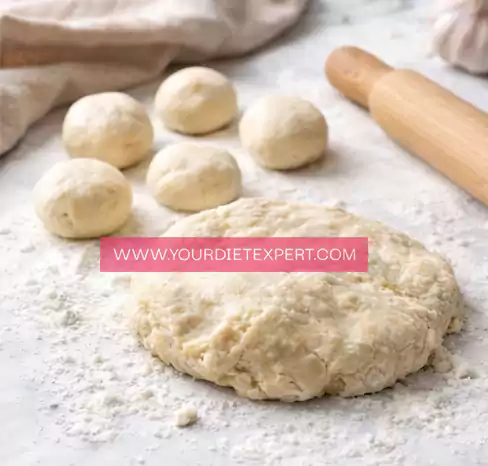
Transfer the dough to a lightly floured surface and divide it into 6 equal portions. Roll each portion into a ball, then gently flatten it into a disc using your hands or a rolling pin.
Aim for about ¼-inch thickness. Too thin and the flatbreads dry out; too thick and they won’t cook evenly.
Step 4: Preheat the Skillet
Heat a nonstick skillet over medium heat. Do not add oil at this stage. A properly heated pan allows the flatbreads to cook quickly and evenly without sticking.
You’ll know the pan is ready when a small piece of dough sizzles gently on contact.
Step 5: Cook the Flatbreads
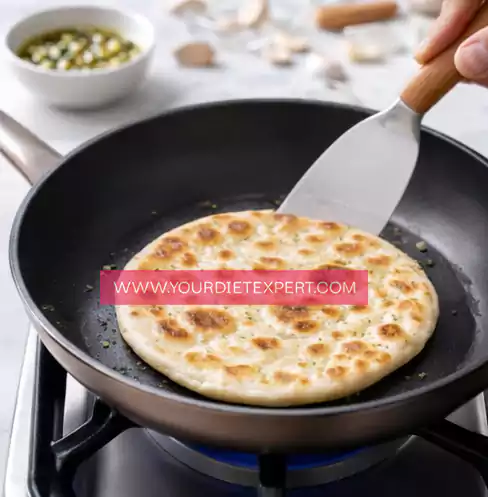
Place one flatbread into the hot skillet. Cook for 2–3 minutes on the first side, until bubbles form and light golden spots appear underneath.
Flip and cook the second side for another 2 minutes, until cooked through and soft. Repeat with the remaining flatbreads, adjusting heat slightly if browning too quickly.
Step 6: Finish with Garlic Oil

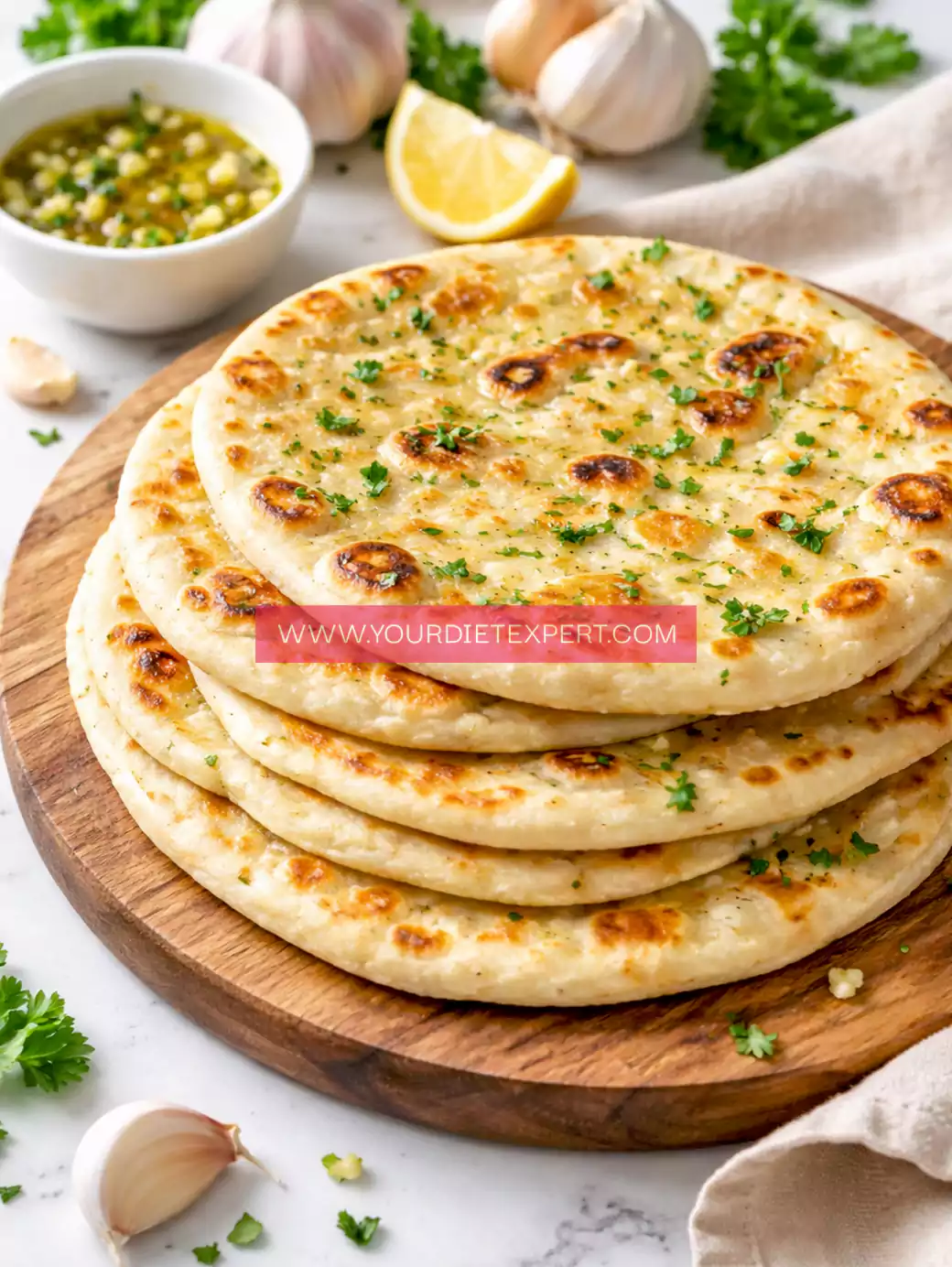
Once cooked, lightly brush each flatbread with olive oil mixed with a little extra minced garlic. This step adds aroma and moisture without making the bread greasy.
Stack the flatbreads and cover loosely with a clean kitchen towel to keep them warm and soft.
7. Health & Nutrition Insights 💪
These High-Protein Garlic Flatbreads support balanced eating in a way traditional breads simply don’t.
Muscle Recovery and Protein Support
Greek yogurt and protein-enriched flour provide amino acids that contribute to muscle repair after training. While flatbreads are often considered empty carbs, this version plays an active role in recovery-focused meals.
Improved Satiety and Portion Control
Higher protein content slows digestion and helps regulate appetite hormones. That means you’re more likely to feel satisfied with one or two flatbreads rather than overeating.
Sustained Energy Without Crashes
Balanced macros help prevent blood sugar spikes that often follow refined bread consumption. These flatbreads deliver steady energy that pairs well with active lifestyles.
Better Long-Term Consistency
By rebuilding bread into something supportive rather than restrictive, this recipe encourages consistency. Sustainable eating habits matter more than perfection, and this recipe reflects that philosophy.
8. High Protein Plan & Macro Insights 📊
These High-Protein Garlic Flatbreads fit naturally into a protein-focused eating pattern because they’re flexible, predictable, and easy to pair with almost any meal. Whether you track macros precisely or follow a protein-first mindset, this recipe supports both approaches without stress.
Estimated Protein Per Serving
Each flatbread (based on 6 total) provides approximately:
- Protein: 12–15 grams
- Calories: ~180–210 kcal
- Carbohydrates: Moderate, primarily from whole wheat or protein-enriched flour
- Fats: Low to moderate, mainly from olive oil and yogurt
That protein content is significantly higher than traditional flatbreads, which often provide only 3–5 grams per serving.
How These Flatbreads Fit Different Fitness Goals
For Muscle Building and Strength Training
These flatbreads work well as a post-workout carb-and-protein base. Pair them with lean protein like chicken, eggs, or yogurt-based sauces to support muscle recovery and glycogen replenishment.
For Fat Loss or Cutting Phases
Because protein helps regulate hunger, these flatbreads make portion control easier. One flatbread paired with vegetables and lean protein can feel far more satisfying than refined bread alternatives.
For Maintenance and Lifestyle Eating
This is where the recipe shines. You can enjoy bread regularly without feeling like you’re “cheating,” which helps maintain consistency over time.
Best Times to Eat These Flatbreads
- Post-workout meals
- High-protein lunches or dinners
- Wrap bases for meal-prepped proteins
- Balanced snacks when paired with yogurt or eggs
Because the portions are consistent and easy to repeat, these flatbreads integrate smoothly into fitness meal prep and weekly planning.
9. Serving + Pairing Ideas 🍽️
These flatbreads are intentionally neutral and versatile, making them easy to build into both simple and more complete meals.
Simple, Everyday Serving
Serve warm alongside grilled chicken, roasted vegetables, or a protein-rich soup. Even on their own, they feel comforting and satisfying.
Wrap and Sandwich Ideas
Use these flatbreads as a base for:
- Grilled chicken and yogurt sauce
- Scrambled eggs with spinach
- Tuna or chickpea salad
- Leftover roasted vegetables with hummus
Balanced Meal Pairings
For a complete plate, pair with:
- Large mixed green salads
- Quinoa or brown rice (small portions)
- Lentil or bean-based sides
Meal Prep and Lunchbox Tips
Allow flatbreads to cool completely before stacking. Place parchment between layers to prevent sticking and keep them flexible for wraps.
Best Occasions to Serve
- Weeknight dinners
- Fitness meal prep Sundays
- Healthy family meals
- Anytime you want bread without the guilt
These flatbreads adapt easily to your routine, which is exactly what makes them practical and sustainable.
10. Storage & Meal Prep Tips 🧊
One of the most practical benefits of these High-Protein Garlic Flatbreads is how well they store. When handled correctly, they stay soft, flexible, and flavorful—making them ideal for weekly planning and fitness-focused meal prep.
Refrigeration
Allow the flatbreads to cool completely before storing. Trapping steam while they’re warm can cause condensation and toughness.
- Stack flatbreads with a small piece of parchment paper between each
- Store in an airtight container or resealable bag
- Keep refrigerated for up to 4–5 days
Before using, reheat briefly to restore softness.
Freezing for Longer Storage
These flatbreads freeze extremely well and retain their texture when reheated properly.
- Place cooled flatbreads in a single layer to freeze initially
- Once frozen, stack with parchment and store in freezer-safe bags
- Freeze for up to 2 months
To use, thaw at room temperature or reheat directly from frozen.
Reheating Without Dryness
Gentle reheating is key for protein-rich dough.
- Skillet: Heat over low-medium heat for 30–45 seconds per side
- Microwave: Wrap in a damp paper towel and heat for 10–15 seconds
- Oven: Wrap in foil and warm at 325°F (165°C) for a few minutes
Avoid overheating, which can cause the flatbreads to stiffen.
Meal Prep Strategy
For fitness meal prep, prepare a full batch at the start of the week and pair them with pre-cooked proteins and vegetables. This makes assembling quick, balanced meals effortless.
11. FAQ Section ❓
Can I make these flatbreads dairy-free?
Yes. Use a thick, unsweetened plant-based yogurt alternative. The flatbreads will still cook properly, though protein content will be slightly lower and texture a bit more delicate.
How much protein is in each flatbread?
Each flatbread contains approximately 12–15 grams of protein, depending on the flour and protein additions used.
Can I use plant-based protein powder?
Yes. A neutral-flavored plant protein works well. Replace a small portion of flour and add extra water as needed to maintain dough softness.
Can I prep these for the entire week?
Absolutely. These flatbreads were designed with weekly prep in mind. Store them properly and reheat gently for best results.
Are these flatbreads kid-friendly?
Yes. The garlic flavor is mild and approachable. You can reduce garlic slightly for younger palates without affecting texture.
12. Kitchen Tips & Troubleshooting Notes 🧠
High-protein dough behaves a little differently than traditional flatbread dough, so a few technique adjustments can make a big difference in the final result. These tips will help you get consistently soft, fluffy flatbreads every time.
Preventing Dry or Tough Flatbreads
Protein-rich doughs can dry out quickly if overworked.
- Mix only until the dough just comes together
- Avoid adding too much flour during shaping
- Keep the dough slightly soft and pliable
If the flatbreads feel stiff after cooking, it’s usually a sign the dough was too dry at the start.
Managing Dough Stickiness
A slightly tacky dough is ideal.
- Lightly flour your hands instead of the dough
- Avoid kneading aggressively
- Letting the dough rest helps it become easier to handle
Adding too much flour during shaping will reduce softness.
Getting the Garlic Flavor Just Right
Fresh garlic provides the best aroma, but it can burn easily.
- Add garlic directly into the dough, not the pan
- Brush garlic oil lightly after cooking, not before
This keeps the flavor bold without bitterness.
Adjusting Texture Preferences
For extra fluffy flatbreads, roll slightly thicker and cook a bit longer on lower heat.
For thinner, wrap-style flatbreads, roll thinner and cook quickly.
Smart Reheating
Reheat gently to avoid stiffness. Protein dough tightens when overheated, so low heat always produces the best texture.
13. Nutrition Breakdown 📋
The following nutrition values are approximate per flatbread (based on 6 servings). Actual values may vary slightly depending on flour type and protein additions.
- Calories: ~195 kcal
- Protein: 13–15 g
- Carbohydrates: 22–25 g
- Fat: 4–5 g
- Fiber: 3–4 g
- Sugar: ~2 g
- Sodium: ~290 mg
This nutrition profile makes these flatbreads:
- Suitable for high-protein dinner plans
- Ideal as a macro-friendly recipe base
- Supportive of muscle-building meals and fitness meal prep
They provide structure and satisfaction without overwhelming calories or refined ingredients.
14. Recipe Details 🧾
- Prep Time: 15 minutes
- Cook Time: 10–12 minutes
- Total Time: 25–30 minutes
- Course: High-Protein Bread / Healthy Side
- Cuisine: Modern Healthy / Everyday Comfort
- Servings: 6 flatbreads
- Calories (per serving): ~195 kcal
15. Closing Note ❤️
These High-Protein Garlic Flatbreads have quietly become one of those recipes I rely on week after week. They bring comfort, warmth, and familiarity to meals without pulling me away from my goals.
What I appreciate most is how natural they feel. They don’t taste like a compromise or a “healthy version” of bread. Instead, they taste like something you’d want on your plate—soft, garlicky, and satisfying—while still supporting protein intake and balanced nutrition.
If you’ve ever missed bread while eating healthier, this recipe is a reminder that you don’t have to give it up. You just have to rebuild it smarter.

High-Protein Garlic Flatbreads Recipe
Ingredients
Method
- In a large mixing bowl, add the Greek yogurt, flour, baking powder, salt, and minced garlic. Using a fork or silicone spatula, mix gently until the ingredients begin to come together and form a rough dough.
- If the dough looks dry or crumbly, add warm water one tablespoon at a time, mixing after each addition. Stop as soon as the dough becomes soft and slightly tacky, holding together without sticking heavily to your hands.
- Once combined, cover the bowl and let the dough rest for 5–10 minutes. This resting time allows the flour to hydrate fully and helps relax the dough, which keeps the flatbreads soft instead of tough.
- Transfer the rested dough onto a lightly floured surface and divide it into 6 equal portions. Roll each portion into a smooth ball, then gently flatten it into a round about ¼-inch thick, using your hands or a rolling pin.
- Place a nonstick skillet over medium heat and allow it to preheat fully. Do not add oil at this stage, as a dry pan helps the flatbreads cook evenly without becoming greasy.
- Carefully place one flatbread into the hot skillet and cook for 2–3 minutes, until bubbles form on the surface and light golden spots appear underneath.
- Flip the flatbread and cook the second side for another 2 minutes, until cooked through and still soft. Adjust the heat slightly if the bread browns too quickly.
- Remove the cooked flatbread from the skillet and immediately brush lightly with olive oil. Stack the flatbreads and cover loosely with a clean kitchen towel to keep them warm and flexible while you cook the remaining ones.

Leave a Reply