
Warm Introduction
There’s something deeply comforting about a bubbling casserole coming out of the oven. It’s the kind of dish that makes the kitchen feel warmer, quieter, and more grounded — especially after a long day. The first time I made this Keto Meatball Casserole, I wasn’t trying to reinvent comfort food. I simply wanted something filling, cozy, and satisfying that wouldn’t pull me out of my low-carb routine.
What surprised me was how much this dish felt like a traditional, carb-heavy dinner without actually being one. Juicy meatballs, rich sauce, melted cheese — all the familiar elements were there, but without pasta, breadcrumbs, or hidden sugars. One bite in, and it no longer felt like a “keto substitute.” It just felt like dinner.
For keto followers, low-carb eaters, and even fitness-focused readers who want a protein-packed meal that doesn’t feel restrictive, this Keto Meatball Casserole checks every box. It’s hearty without being heavy, indulgent without guilt, and simple enough for weeknights when you want real food — not another salad.
What Makes This Keto Meatball Casserole Stand Out
Many low-carb casseroles rely heavily on cheese or cream to compensate for missing carbs. This one doesn’t need to overdo it. The flavor comes from well-seasoned meatballs, a balanced low-carb sauce, and just enough cheese to bring everything together without overwhelming the dish.
Another thing that sets this recipe apart is texture. The meatballs stay juicy and tender, the sauce thickens naturally without flour or starch, and the cheese melts into a golden layer that feels comforting rather than heavy. Every bite has structure and depth — not mushy, not dry, not greasy.
From a lifestyle perspective, this casserole fits perfectly into real life. It’s make-ahead friendly, reheats beautifully, and works just as well for family dinners as it does for solo meal prep. It’s one of those recipes that quietly becomes a regular because it solves a problem: What can I eat tonight that feels like comfort food but still supports my goals?
Personal Blogger Note
I’ve made this Keto Meatball Casserole on nights when I was exhausted and didn’t want to think, and also on weekends when I wanted something cozy simmering in the oven. Every time, it delivers that same sense of relief — like you made a good choice without sacrificing enjoyment.
The first time I served it to someone who wasn’t keto, I didn’t mention that it was low-carb. They went back for seconds. That’s always my quiet test for whether a recipe is truly good or just “good for keto.”
What I personally love most is how filling it is. One serving leaves me satisfied for hours, without the heaviness or bloating that used to follow traditional casseroles. That balance — comfort and clarity — is what makes this recipe a keeper.
Kitchen Equipment You’ll Need (And Why It Matters)
Large Mixing Bowl
This is essential for mixing the meatball ingredients evenly without overworking the meat. A roomy bowl allows you to gently combine everything while keeping the meatballs tender.
Baking Dish
A sturdy baking dish holds the meatballs and sauce together while they bake and bubble. Depth matters here — it keeps the sauce from spilling and ensures even cooking.
Skillet or Pan
Used for browning the meatballs before baking. This step builds flavor and helps the meatballs hold their shape.
Spoon or Spatula
A solid spoon or spatula makes it easier to turn meatballs gently and spread sauce evenly without breaking anything apart.
Knife and Cutting Board
Needed for prepping aromatics, herbs, or optional vegetables. Clean, even cuts help everything cook uniformly.
Ingredients With Purpose and Smart Substitutions
Ground Meat
This forms the base of the casserole and provides protein and richness.
Substitution:
Beef, chicken, or turkey all work well. A mix of beef and turkey creates a great balance of flavor and leanness.
Egg
The egg helps bind the meatballs so they stay tender and hold together.
Substitution:
A flax egg can work for egg-free needs, though texture may be slightly softer.
Almond Flour
Used instead of breadcrumbs to keep the recipe low-carb while still adding structure.
Substitution:
Crushed pork rinds can be used, but almond flour provides a cleaner texture.
Low-Carb Marinara or Tomato Sauce
Adds moisture, acidity, and that classic Italian comfort flavor.
Substitution:
Crushed tomatoes with added herbs and seasoning work if sugar is controlled.
Cheese
Cheese adds richness and helps everything meld together in the oven.
Substitution:
Dairy-free cheese can be used, though melting may vary.
Step-by-Step Cooking Process
Step 1: Preparing the Meatball Mixture
Start by adding the ground meat, egg, almond flour, seasonings, and aromatics to a large mixing bowl. Use your hands or a spoon to gently combine everything just until mixed. Avoid overworking the meat — this keeps the meatballs tender rather than dense.

Step 2: Shaping the Meatballs
Scoop and roll the mixture into evenly sized meatballs. Uniform size ensures even cooking and helps the casserole bake consistently.

Step 3: Browning the Meatballs
Heat a skillet over medium heat and lightly oil it. Brown the meatballs on all sides, working in batches if needed. You’re not cooking them through yet — just building flavor and structure.
Step 4: Layering the Casserole
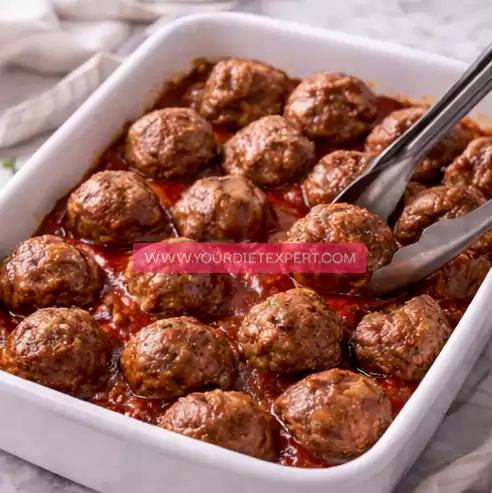
Once the meatballs are lightly browned, transfer them into your baking dish in a single, even layer. This helps the sauce surround each meatball evenly instead of pooling in one spot. Pour the low-carb marinara sauce over the meatballs, using a spoon to gently nudge the sauce between them so everything is well coated. This step is where the casserole starts to come together visually and aromatically.
Step 5: Adding the Cheese Layer
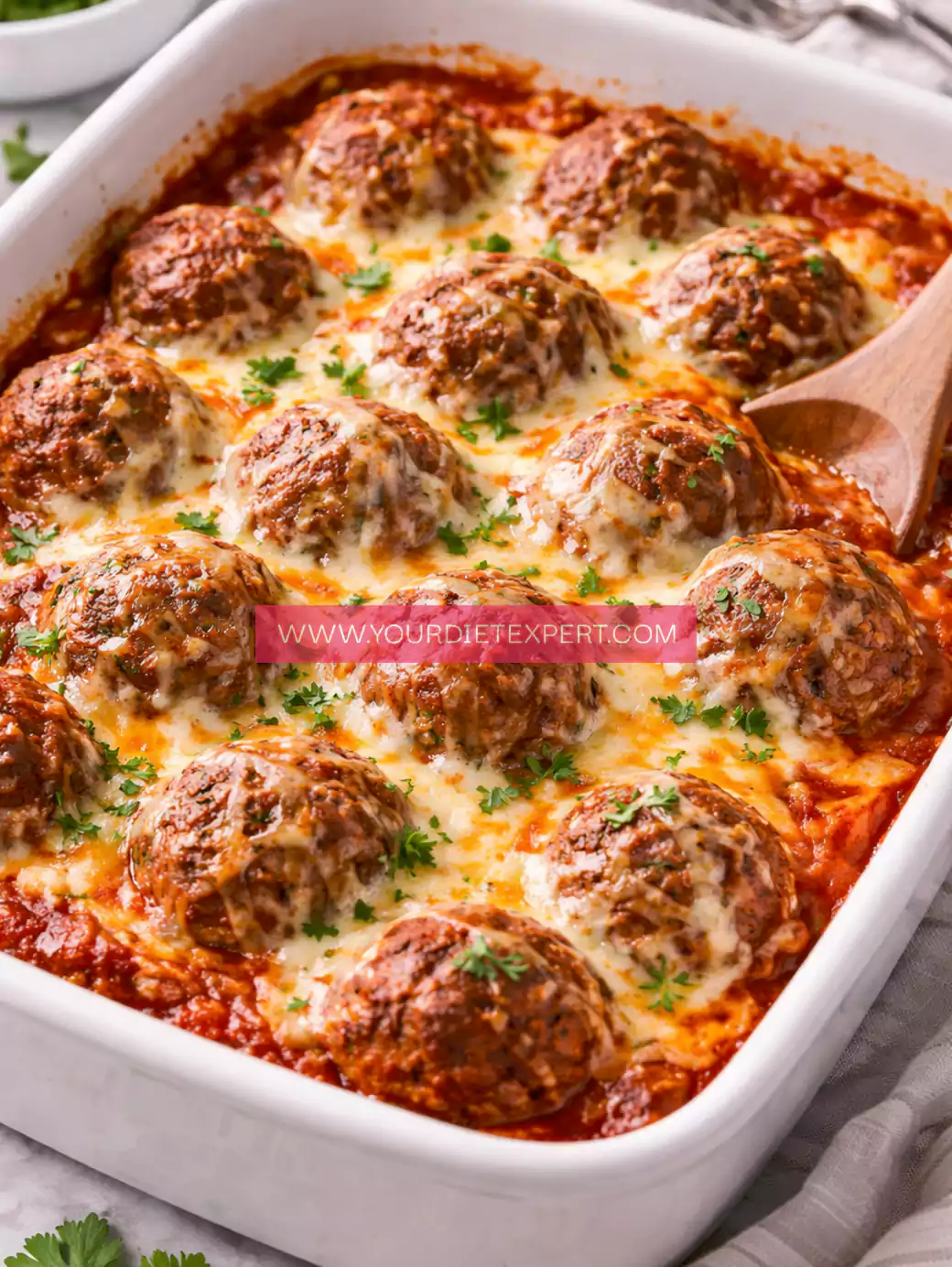
Sprinkle the cheese evenly over the sauce-covered meatballs. Don’t press it down — letting the cheese sit loosely on top allows it to melt naturally and form that golden, bubbling layer that makes casseroles so comforting. This layer helps lock in moisture while adding richness to every bite.
Step 6: Baking Until Bubbly and Set
Place the baking dish into the preheated oven and bake until the sauce is bubbling around the edges and the cheese has melted completely. As it bakes, the flavors deepen and blend, and the kitchen fills with a warm, savory aroma that signals dinner is almost ready. Once baked, remove the casserole and let it rest briefly before serving so it can set properly.
Health & Nutrition Insights
This Keto Meatball Casserole works exceptionally well for low-carb and keto lifestyles because it focuses on protein, healthy fats, and controlled carbohydrates. The meatballs provide a substantial protein base, helping support muscle maintenance and keeping you full for hours after eating.
By replacing breadcrumbs with almond flour and using a low-carb sauce, this casserole avoids the blood sugar spikes often associated with traditional comfort food. The fats from the meat and cheese slow digestion, promoting satiety and reducing cravings later in the day.
For fitness-focused readers or anyone managing appetite, this dish offers a satisfying balance. It feels indulgent, but it’s metabolically friendly — which is exactly what makes it sustainable long-term.
Serving and Pairing Ideas
This casserole is rich and satisfying on its own, but it pairs beautifully with lighter sides. A simple green salad, sautéed zucchini, or roasted broccoli balances the richness without adding unnecessary carbs.
It also works well for family-style dinners or casual gatherings. Serve it straight from the baking dish with a spoon, letting everyone help themselves. For guests who aren’t keto, this dish rarely raises questions — it just tastes like good food.
For drinks, sparkling water, unsweetened iced tea, or a light herbal tea complements the savory flavors without overwhelming them.
Storage & Meal Prep Tips
This casserole stores extremely well, making it ideal for meal prep. Once cooled, transfer leftovers into airtight containers and refrigerate. The flavors often improve overnight as the sauce continues to soak into the meatballs.
To reheat, warm gently in the oven or microwave until heated through. Avoid overheating, as this can dry out the meatballs. This dish can also be frozen in individual portions; thaw overnight in the refrigerator before reheating for best texture.
Frequently Asked Questions
Can I make this casserole dairy-free?
Yes. Use a dairy-free cheese alternative and ensure the sauce is dairy-free. The texture will differ slightly, but the dish will still be flavorful.
Can I use chicken or turkey instead of beef?
Absolutely. Chicken or turkey meatballs work well and create a lighter version, though beef offers the richest flavor.
Is this casserole good for weight loss?
Yes, when portioned appropriately. It’s high in protein and fat, which helps control hunger and reduce snacking.
Can I add vegetables to the casserole?
Yes. Low-carb vegetables like spinach, zucchini, or mushrooms can be added to the sauce for extra volume and nutrition.
Kitchen Tips & Troubleshooting
If your meatballs feel too soft before browning, chill them briefly to help them hold shape. If the sauce looks too thick after baking, a small spoonful of water or broth stirred in before reheating will loosen it.
Always let the casserole rest before serving. This helps the layers settle and prevents the sauce from running.
Nutrition Breakdown (Per Serving)
- Calories: ~430
- Protein: ~32 g
- Fat: ~30 g
- Total Carbs: ~7 g
- Net Carbs: ~4 g
(Values are approximate and depend on ingredients used.)
Recipe Details
- Prep Time: 20 minutes
- Cook Time: 30 minutes
- Total Time: 50 minutes
- Course: Main Dish
- Cuisine: Italian-inspired / American
- Servings: 6
- Calories: ~430 per serving
Closing Note
Comfort food doesn’t have to come with compromise. This casserole proves that with a few thoughtful swaps, you can enjoy cozy, satisfying meals that truly support your lifestyle — and still feel like a treat.

Keto Meatball Casserole Recipe
Ingredients
Method
- Start by adding the ground meat to a large mixing bowl, then crack in the egg and add the almond flour, seasonings, salt, and pepper. Using your hands or a spoon, gently mix everything together just until the ingredients are evenly combined. Be careful not to overmix, as working the meat too much can make the meatballs dense instead of tender and juicy.
- Scoop portions of the mixture and roll them between your palms to form evenly sized meatballs. Keeping the meatballs uniform helps them cook at the same rate and ensures consistent texture throughout the casserole. Place the shaped meatballs on a plate or tray and set them aside while you heat the skillet.
- Heat a skillet over medium heat and add a small amount of oil, allowing it to warm until shimmering. Add the meatballs in a single layer, working in batches if necessary to avoid overcrowding the pan. Brown the meatballs gently on all sides, turning them carefully so they hold their shape. At this stage, you are building flavor and structure rather than fully cooking them through.
- Once the meatballs are lightly browned, transfer them carefully into a baking dish, arranging them in a single, even layer. Pour the marinara sauce evenly over the meatballs, using a spoon to help the sauce settle between them so each one is coated and surrounded by moisture.
- Sprinkle the shredded cheese evenly over the top of the sauce-covered meatballs. Let the cheese fall naturally without pressing it down, which allows it to melt evenly and form a lightly golden, bubbly layer as the casserole bakes.
- Place the baking dish into the preheated oven and bake until the sauce is bubbling around the edges and the cheese is fully melted with a light golden color on top. The bubbling indicates that the casserole is heated through and the flavors have come together.
- Remove the casserole from the oven and let it rest for a few minutes before serving. This short resting time allows the sauce to thicken slightly and helps the meatballs hold their shape, making the casserole easier to serve and even more enjoyable to eat.


Leave a Reply