
A Fresh Green Sauce That Instantly Elevates Healthy Meals
The first time I tasted freshly made pesto, it completely changed how I thought about sauces. Until then, I had always assumed sauces were either heavy, overly creamy, or loaded with hidden sugars. But pesto was different. It was vibrant, fresh, aromatic, and surprisingly simple. Just a handful of ingredients blended together into something incredibly flavorful.
That’s why Keto Pesto Sauce has become one of my favorite staples in a healthy kitchen. Not only is it naturally low in carbohydrates, but it’s also packed with healthy fats, herbs, and bold flavor that can instantly transform a simple meal into something special. Whether it’s spooned over grilled chicken, tossed with zucchini noodles, or spread on keto bread, this sauce adds depth and brightness to almost anything.
The best part is that this Keto Pesto Sauce requires almost no cooking at all. In just a few minutes, you can create a fresh homemade sauce that tastes far better than anything you’ll find in a jar. And once you start making it at home, you’ll probably find yourself reaching for basil much more often.
Why This Keto Pesto Sauce Is Worth Making
Pesto is already one of the most keto-friendly sauces out there, but this version is designed specifically for low-carb lifestyles while keeping the flavor completely authentic.
Naturally Low-Carb and Keto-Friendly
Unlike many sauces that contain sugar, flour, or starches, pesto relies on herbs, nuts, cheese, and oil. These ingredients naturally align with keto nutrition goals.
Fresh Flavor That Beats Store-Bought
Store-bought pesto often contains preservatives and lower-quality oils. Homemade pesto tastes brighter and fresher because the ingredients are blended right before serving.
Ready in Just Minutes
One of my favorite things about this recipe is how quickly it comes together. From washing the basil to finishing the sauce, the entire process takes less than ten minutes.
A Versatile Kitchen Staple
This pesto isn’t just for pasta. It works beautifully with vegetables, grilled proteins, salads, eggs, and even keto sandwiches.
A Personal Note From My Kitchen
I still remember the first summer I started growing basil on my balcony. At the beginning, I had no idea how quickly basil plants grow. Within a few weeks, my small herb pot turned into a mini jungle of fragrant green leaves.
Naturally, I started experimenting with ways to use it. That’s when pesto entered the picture.
The first batch I made filled the entire kitchen with the scent of garlic and basil. It tasted so fresh that I ended up adding it to almost everything that week — eggs, grilled vegetables, chicken, and even roasted cauliflower.
Since then, Keto Pesto Sauce has become one of those recipes I always keep in my back pocket when I want to make healthy meals feel exciting.
Kitchen Equipment That Makes This Recipe Easy
Food Processor or Blender
A food processor is the easiest way to blend pesto smoothly while maintaining a slightly textured consistency. If you don’t have one, a blender also works well.
Measuring Cups and Spoons
Precise measurements ensure the sauce stays balanced between herbs, oil, and cheese.
Rubber Spatula
A spatula helps scrape the sides of the processor bowl so every ingredient blends evenly.
Small Storage Jar
A glass jar with a tight lid keeps the pesto fresh in the refrigerator.
Cutting Board and Knife
These are useful for chopping garlic or preparing basil leaves before blending.
Ingredients With Substitutions
Each ingredient plays an important role in flavor and texture.
Fresh Basil Leaves – 2 cups packed
Basil is the star ingredient of pesto. Its bright herbal flavor defines the sauce.
Substitution:
Arugula, spinach, or parsley can replace part of the basil for a different flavor profile.
Olive Oil – ½ cup
Olive oil gives pesto its smooth texture and provides heart-healthy fats.
Substitution:
Avocado oil can be used for a milder taste.
Parmesan Cheese – ½ cup grated
Parmesan adds a salty, nutty flavor that balances the herbs.
Substitution:
Nutritional yeast works well for a dairy-free version.
Pine Nuts – ¼ cup
These nuts provide a creamy texture.
Substitution:
Walnuts, almonds, or sunflower seeds can replace pine nuts.
Garlic – 2 cloves
Garlic adds depth and aroma.
Lemon Juice – 1 tablespoon
A small amount of lemon brightens the sauce.
Salt – ½ teaspoon
Enhances the overall flavor.
Black Pepper – ¼ teaspoon
Adds gentle warmth.
Step-by-Step Cooking Process
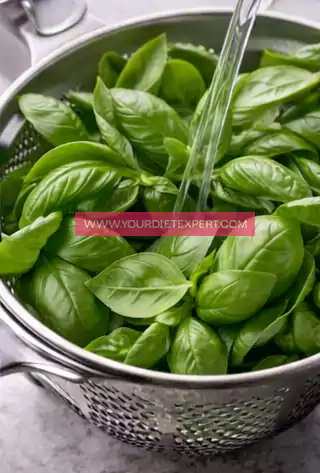
Step 1: Prepare the Basil
Wash the basil leaves and pat them dry to remove excess moisture.
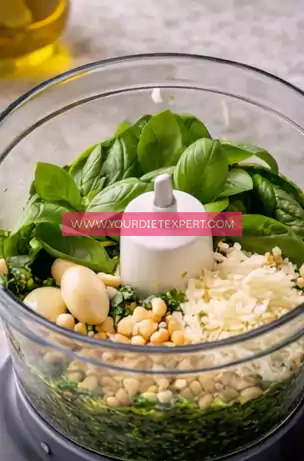
Step 2: Add Ingredients to the Processor
Place basil, garlic, pine nuts, and parmesan into the food processor.
Step 3: Begin Blending
Pulse the ingredients until roughly chopped.
Step 4: Add Olive Oil Slowly
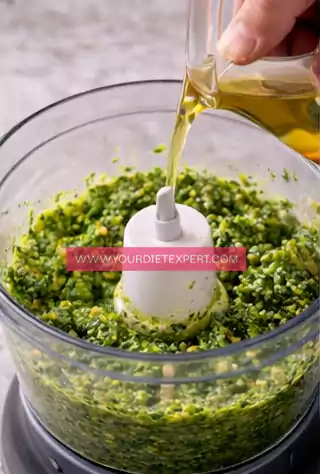
While blending, slowly drizzle in olive oil until the sauce becomes smooth.
Step 5: Season the Sauce
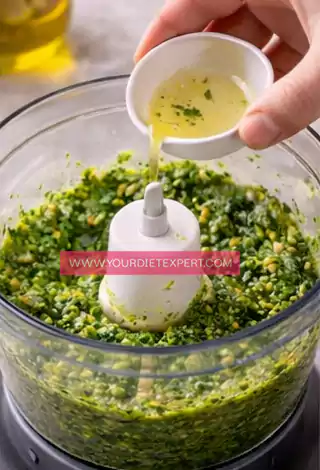
Add lemon juice, salt, and pepper.
Step 6: Adjust the Texture
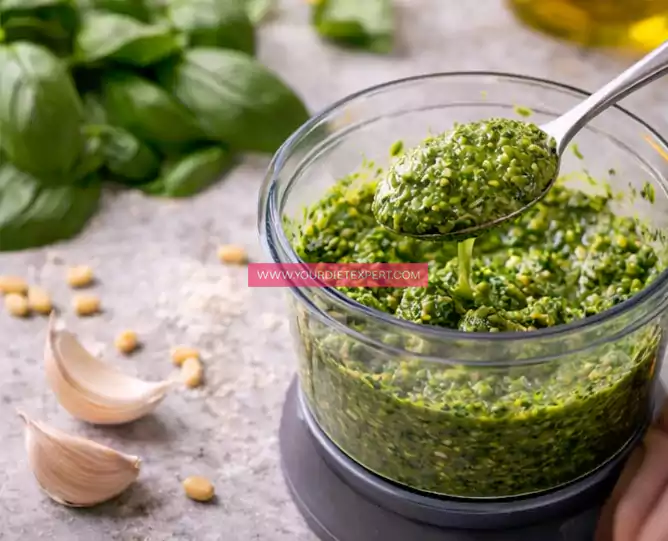
Blend again until the pesto reaches your preferred consistency.
Step 7: Taste and Adjust
Taste the pesto and adjust seasoning if needed.
Health and Nutrition Insights
One reason Keto Pesto Sauce works so well in a healthy lifestyle is its nutrient profile.
Healthy Fats
Olive oil contains monounsaturated fats that support heart health.
Low-Carb Profile
Unlike sugary sauces, pesto contains very few carbohydrates.
Rich in Antioxidants
Basil contains plant compounds that support overall wellness.
Naturally Gluten-Free
Because it contains no wheat or grains, pesto works well for gluten-free diets.
Serving and Pairing Ideas
This sauce works beautifully in many dishes.
• Toss with zucchini noodles for keto pasta
• Spread on grilled chicken
• Mix into scrambled eggs
• Drizzle over roasted vegetables
• Add to keto sandwiches
Storage and Meal Prep Tips
Refrigeration
Store pesto in an airtight jar for up to 5 days.
Prevent Browning
Pour a thin layer of olive oil on top before storing to keep it fresh.
Freezing
Pesto freezes well in ice cube trays for easy portions.
Frequently Asked Questions
Can I make pesto without nuts?
Yes. Sunflower seeds or pumpkin seeds can replace pine nuts.
Why is my pesto bitter?
Overblending basil or using too much garlic can create bitterness.
Can I make pesto dairy-free?
Yes. Replace parmesan with nutritional yeast.
Can pesto be frozen?
Absolutely. Freeze small portions for quick meals later.
Kitchen Tips and Troubleshooting
• Use fresh basil for best flavor.
• Avoid overheating the pesto while blending.
• Add olive oil slowly for smooth texture.
• Taste and adjust seasoning before serving.
Nutrition Breakdown (Per Serving)
Calories: 120
Protein: 2g
Fat: 12g
Carbohydrates: 2g
Fiber: 1g
Net Carbs: 1g
Recipe Details
Prep Time: 10 minutes
Cook Time: 0 minutes
Total Time: 10 minutes
Course: Sauce
Cuisine: Italian-Inspired
Servings: 8
Calories: 120
Closing Note
Simple recipes often become the most loved ones in a kitchen. With just a few fresh ingredients, this Keto Pesto Sauce delivers incredible flavor while keeping meals healthy and satisfying.

Keto Pesto Sauce Recipe
Ingredients
Method
- Start by preparing the basil leaves. Place the fresh basil into a colander and rinse them gently under cool running water to remove any dirt or debris. Shake off the excess water and spread the leaves on a clean kitchen towel or paper towels. Pat them dry carefully. Removing moisture is important because excess water can dilute the pesto and make the sauce less flavorful.
- Once the basil is dry, add the basil leaves to the bowl of a food processor. Then add the garlic cloves, pine nuts, and grated parmesan cheese. Make sure the ingredients are evenly distributed in the processor bowl so they blend smoothly. This combination of herbs, nuts, and cheese forms the base of the pesto’s flavor and texture.
- Secure the lid of the food processor and begin pulsing the mixture in short bursts. Continue pulsing until the ingredients become roughly chopped and start to combine. The mixture should look slightly coarse at this stage, with visible pieces of basil and nuts rather than a smooth paste.
- With the food processor running on a low setting, slowly drizzle the olive oil into the mixture through the feed tube or opening in the lid. Adding the oil gradually helps emulsify the sauce and creates a smoother, creamier pesto. Continue blending as the oil incorporates with the herbs and nuts.
- Stop the processor and add the lemon juice, salt, and black pepper to the mixture. The lemon juice brightens the flavor while the salt and pepper help balance the richness of the oil and cheese.
- Blend the mixture again for several seconds until the pesto reaches a smooth and creamy consistency. If the pesto appears too thick, you can add a small drizzle of olive oil and blend again until it reaches your preferred texture.
- Taste the pesto using a clean spoon and adjust the seasoning if needed. You may want to add a pinch more salt, an extra squeeze of lemon juice, or a small amount of olive oil depending on your taste preference.
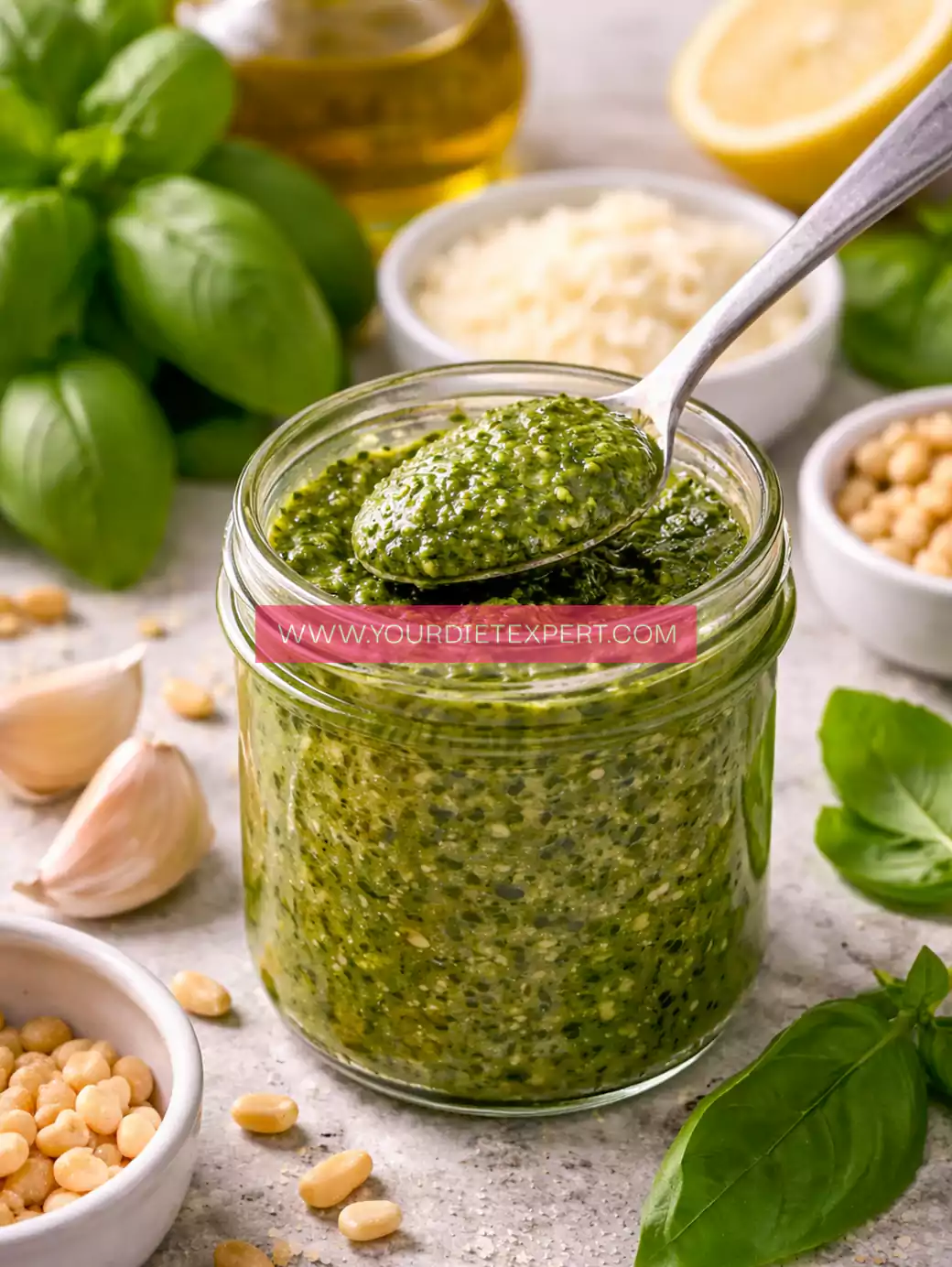
- Once the pesto is fully blended and seasoned, transfer it into a clean glass jar or airtight container. Smooth the top with a spoon and optionally drizzle a thin layer of olive oil over the surface to help preserve its bright green color. Store the pesto in the refrigerator until ready to use.


Leave a Reply