
Warm Introduction
There’s something deeply comforting about pulling a bubbling, golden casserole out of the oven—especially when you know it fits perfectly into your healthy lifestyle. The first time I made this Keto Vegetable Casserole (Low-Carb, Cheesy & Easy!), it was one of those evenings when I wanted something cozy, filling, and satisfying… but without the heaviness that usually comes with traditional casseroles.
Growing up, casseroles were always loaded with pasta, potatoes, or breadcrumbs. Delicious? Absolutely. But they often left me feeling sluggish afterward. So when I shifted toward a low-carb, keto-friendly way of eating, I thought I had to give up that comfort food feeling—until this recipe came into my kitchen.
This casserole changed everything. It’s warm, creamy, cheesy, and packed with colorful vegetables—yet it stays low in carbs and incredibly nourishing. It feels indulgent, but it supports your goals. And honestly, that’s the kind of balance we all want.
What Makes This Keto Vegetable Casserole Stand Out
Let’s be real—there are a lot of veggie casseroles out there. But this one? It hits differently.
First, the flavor layering is intentional. Instead of just tossing vegetables together, we build flavor step by step—lightly sautéing, seasoning properly, and finishing with a rich, cheesy topping that melts beautifully into every bite.
Secondly, the texture balance is spot-on. You get tender vegetables, creamy sauce, and that slightly golden, cheesy top layer that adds just enough structure. It’s not mushy, not dry—just perfectly cohesive.
Another reason this recipe stands out is how adaptable it is. Whether you’re strictly keto, casually low-carb, or simply looking for a healthier dinner option, this casserole fits seamlessly into your routine.
And finally, it’s a true weeknight lifesaver. Minimal prep, one dish, and it reheats beautifully—making it ideal for meal prep or busy days.
Personal Blogger Note
I still remember making this casserole after a long, exhausting day when I didn’t want to spend hours in the kitchen. I had a few vegetables in the fridge, some cheese, and honestly—not much motivation.
But as it baked, the kitchen started to smell incredible. That warm, cheesy aroma mixed with roasted vegetables… it instantly lifted my mood. And when I took that first bite, I knew this was going to become a staple.
Now, it’s one of those recipes I come back to again and again. Sometimes I make it as a side dish for gatherings, and other times it’s my main dinner with a simple protein on the side. It’s comforting without being heavy—and that’s what makes it special.
Kitchen Equipment You’ll Need (And Why It Matters)
Baking Dish
A medium-sized baking dish is essential for even cooking. I personally prefer something not too deep so the casserole cooks evenly and gets that golden top layer.
Large Skillet
You’ll use this to sauté the vegetables. A wide skillet allows everything to cook evenly without overcrowding, which helps bring out natural flavors instead of steaming them.
Mixing Bowl
This is where you’ll combine your creamy base. Having enough space makes it easier to mix everything smoothly without spills.
Knife & Cutting Board
Sharp knives make prep faster and safer. Evenly chopped vegetables also ensure consistent cooking.
Spatula or Wooden Spoon
Perfect for stirring and combining ingredients without breaking down the vegetables too much.
Cheese Grater
Freshly grated cheese melts better and gives a smoother, creamier finish compared to pre-shredded options.
Ingredients with Substitutions
Vegetables (4 cups total, mixed)
- Broccoli florets (1 cup)
- Cauliflower florets (1 cup)
- Zucchini slices (1 cup)
- Bell peppers (1 cup, chopped)
Why it matters:
These vegetables are naturally low in carbs and provide fiber, vitamins, and texture.
Substitutions:
- Swap zucchini with mushrooms for a richer flavor
- Add spinach for extra nutrients
- Use green beans for more crunch
Heavy Cream (1 cup)
Creates the rich, creamy base that binds everything together.
Substitutions:
- Coconut cream (for dairy-free keto)
- Greek yogurt (for a lighter version)
Cream Cheese (4 oz, softened)
Adds thickness and tanginess to the sauce.
Substitutions:
- Mascarpone for a milder taste
- Ricotta for a lighter texture
Shredded Cheese (1½ cups, divided)
Use mozzarella and cheddar for best results.
Why it matters:
Provides structure, flavor, and that irresistible melted top.
Garlic (2 cloves, minced)
Adds depth and aroma.
Butter (2 tbsp)
Used for sautéing and flavor.
Seasonings
- Salt (1 tsp)
- Black pepper (½ tsp)
- Italian seasoning (1 tsp)
Step-by-Step Cooking Process
Step 1: Prep the Vegetables
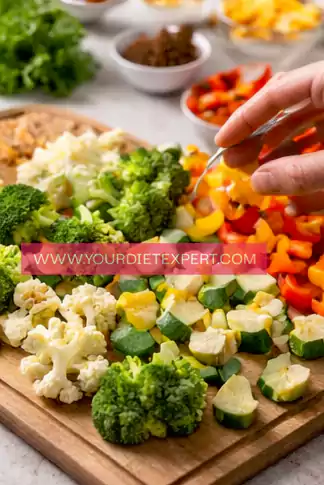
Start by washing and chopping all your vegetables into bite-sized pieces. Try to keep them uniform so they cook evenly. This step sets the foundation for the entire dish.
Step 2: Sauté for Flavor

Melt butter in a large skillet over medium heat. Add garlic and cook for about 30 seconds until fragrant. Then toss in your vegetables and sauté for 5–7 minutes. You want them slightly tender but not fully cooked.
Step 3: Create the Creamy Base
In a mixing bowl, combine heavy cream, cream cheese, half of the shredded cheese, and seasonings. Mix until smooth and well combined.
Step 4: Combine Everything
Add the sautéed vegetables into the creamy mixture. Stir gently to coat everything evenly.
Step 5: Assemble the Casserole
Transfer the mixture into your baking dish. Spread it evenly, then sprinkle the remaining cheese on top.
Step 6: Bake to Perfection
Bake at 180°C (350°F) for 25–30 minutes until the top is golden and bubbling.
Step 7: Rest and Serve
Let it sit for 5–10 minutes before serving. This helps everything set and enhances the flavor.

Health & Nutrition Insights
This Keto Vegetable Casserole (Low-Carb, Cheesy & Easy!) is more than just comfort food—it’s a smart nutritional choice.
First, it’s low in carbohydrates, which supports stable blood sugar levels and helps maintain ketosis. This is especially beneficial for those managing weight or insulin sensitivity.
Secondly, it’s rich in healthy fats from cream and cheese, providing sustained energy and satiety. You’re less likely to snack unnecessarily afterward.
The vegetables add fiber, which supports digestion and gut health. Plus, they bring essential vitamins and antioxidants that your body needs daily.
Serving & Pairing Ideas
- Serve with grilled chicken or steak for a complete meal
- Pair with a fresh keto salad for balance
- Add a side of avocado slices for extra healthy fats
This casserole also works beautifully for family dinners, meal prep lunches, or even potlucks.
Storage & Meal Prep Tips
- Store in the fridge for up to 4 days
- Reheat in the oven for best texture
- Freeze portions for up to 1 month
- Use airtight containers to maintain freshness
Frequently Asked Questions
Can I make this dairy-free?
Yes, use coconut cream and dairy-free cheese alternatives, though texture may vary slightly.
Can I add protein?
Absolutely. Add cooked chicken, beef, or turkey bacon for a more filling meal.
Why is my casserole watery?
Vegetables release water. Pre-sautéing helps reduce this.
Can I make it ahead of time?
Yes, assemble and refrigerate, then bake when ready.
Kitchen Tips & Troubleshooting
- Don’t overcrowd the pan while sautéing
- Use fresh cheese for better melting
- Let the casserole rest before serving
- Adjust seasoning to taste
Nutrition Breakdown (Per Serving)
- Calories: 280
- Protein: 9g
- Fat: 24g
- Carbs: 6g
- Net Carbs: 4g
Recipe Details
- Prep Time: 15 minutes
- Cook Time: 30 minutes
- Total Time: 45 minutes
- Course: Dinner
- Cuisine: Keto / Low-Carb
- Servings: 6
- Calories: 280
Closing Note
Sometimes the best meals are the ones that feel comforting and nourishing at the same time. This casserole is exactly that—simple, satisfying, and something you’ll want to make again and again.

Keto Vegetable Casserole Recipe
Ingredients
Method
- Preheat your oven to 180°C (350°F) so it’s fully hot and ready by the time your casserole goes in. While the oven is heating, lightly grease your baking dish using a small amount of butter or oil, making sure to coat the bottom and sides evenly. This prevents sticking and helps you serve clean, beautiful portions later.
- Wash all your vegetables thoroughly under running water, then pat them dry with a clean towel. Chop everything into evenly sized, bite-sized pieces—this is important because uniform pieces cook at the same rate, giving you a perfectly balanced texture in every bite without some pieces being overcooked while others stay firm.
- Place a large skillet on medium heat and add the butter. Let it melt gently without browning, then add the minced garlic. Stir it continuously for about 20–30 seconds until it becomes fragrant. Be careful not to burn it, as garlic can turn bitter quickly if overheated.
- Add your chopped vegetables into the skillet and spread them out evenly. Let them sauté for about 5–7 minutes, stirring occasionally. You’re aiming for slightly softened vegetables with a bit of bite left—they should not be fully cooked at this stage, as they will continue cooking in the oven.
- In a separate mixing bowl, add the heavy cream, softened cream cheese, half of your shredded cheese, and all the seasonings. Mix everything together thoroughly until you get a smooth, creamy consistency with no lumps. If needed, use a whisk or spoon to break down the cream cheese completely.
- Carefully add the sautéed vegetables into the creamy mixture while they are still warm. Gently fold everything together using a spatula or spoon, making sure every piece of vegetable is evenly coated in the sauce without mashing or breaking them.
- Transfer the entire mixture into your prepared baking dish. Spread it out evenly using the back of a spoon or spatula, making sure it reaches all corners of the dish for even baking.
- Sprinkle the remaining shredded cheese evenly over the top. Try to cover the entire surface so you get that beautiful golden, cheesy crust in every portion once it bakes.
- Place the dish in the preheated oven and bake for 25–30 minutes. You’ll know it’s ready when the top turns golden brown, the edges are slightly bubbling, and the center is heated through. For an extra golden top, you can broil it for the last 2–3 minutes, but keep a close eye to avoid burning.
- Remove the casserole from the oven and let it rest for 5–10 minutes before serving. This step is important because it allows the sauce to thicken slightly and helps the casserole set, making it easier to slice and serve while also enhancing the overall flavor and texture.


Leave a Reply