
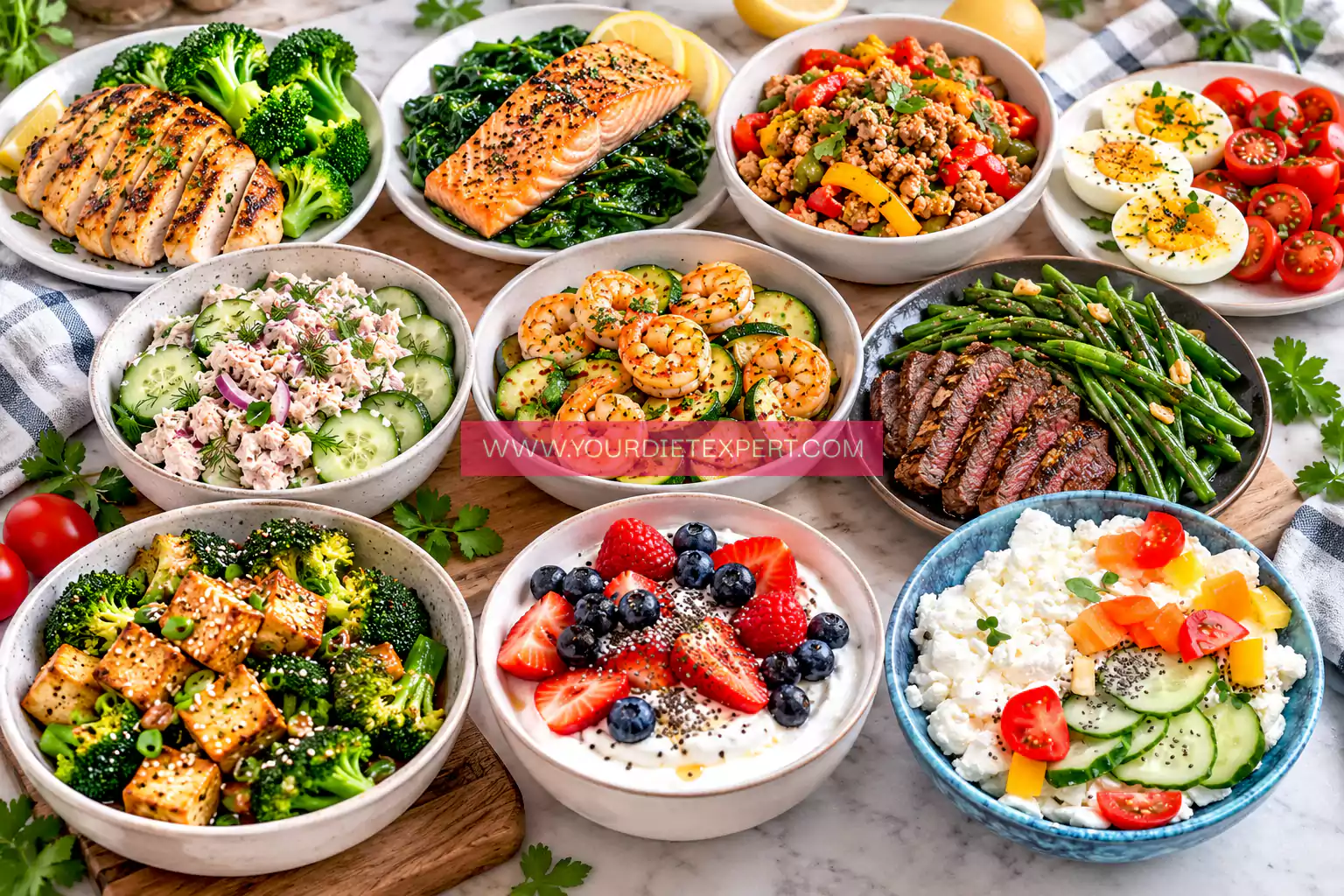
Eating well doesn’t have to mean preparing complicated recipes, buying expensive ingredients, or spending hours in the kitchen. Sometimes, the most useful meals are built around two simple things: a satisfying source of protein and a generous serving of vegetables or fruit.
These 10 high-protein food combinations for weight loss make that approach easy to put into practice. Think juicy chicken with broccoli, salmon over spinach, seasoned turkey with colorful peppers, eggs with tomatoes, and creamy Greek yogurt topped with berries. Each combination uses familiar ingredients and can be prepared without advanced cooking skills.
The best part is that these pairings are flexible. You can turn them into quick lunches, simple dinners, breakfast plates, or snacks depending on your schedule and appetite. Several also work well for meal prep, so you can prepare the protein ahead and add freshly cooked vegetables or fruit when you’re ready to eat.
Protein is especially useful when you’re working toward weight management because it supports muscle maintenance and contributes to fullness. Vegetables and fruit add fiber, water, texture, color, and important nutrients. Together, these foods can help you build satisfying meals without relying on oversized portions or highly restrictive rules.
One important point: no individual food combination causes weight loss on its own. Weight change depends on your overall energy intake, activity, health, sleep, and other factors. These meals are designed to make balanced eating more practical—not to promise a particular result.
Why Pair Protein With Vegetables and Fruit?
Protein and produce contribute different things to a meal, which is why they work so well together.
Protein-rich foods provide amino acids needed to maintain and repair body tissues, including muscle. When combined with resistance training and an adequate overall diet, sufficient protein helps support muscle maintenance during weight loss.
Vegetables and fruit contribute dietary fiber, water, vitamins, minerals, and a range of beneficial plant compounds. Their volume and varied textures can make meals feel more substantial, while their flavors help keep simple recipes interesting.
This combination can also make meal planning easier. Rather than following a complicated diet, you can rotate between a handful of proteins and whatever produce is available, affordable, and enjoyable.
For example, chicken can be served with broccoli one day and peppers the next. Greek yogurt can be paired with strawberries, blueberries, or another fruit. Tofu can be seasoned differently depending on whether you’re craving an Asian-inspired bowl or a simple savory plate.
The following ten combinations show you exactly how to turn that idea into food.
1. Chicken and Broccoli
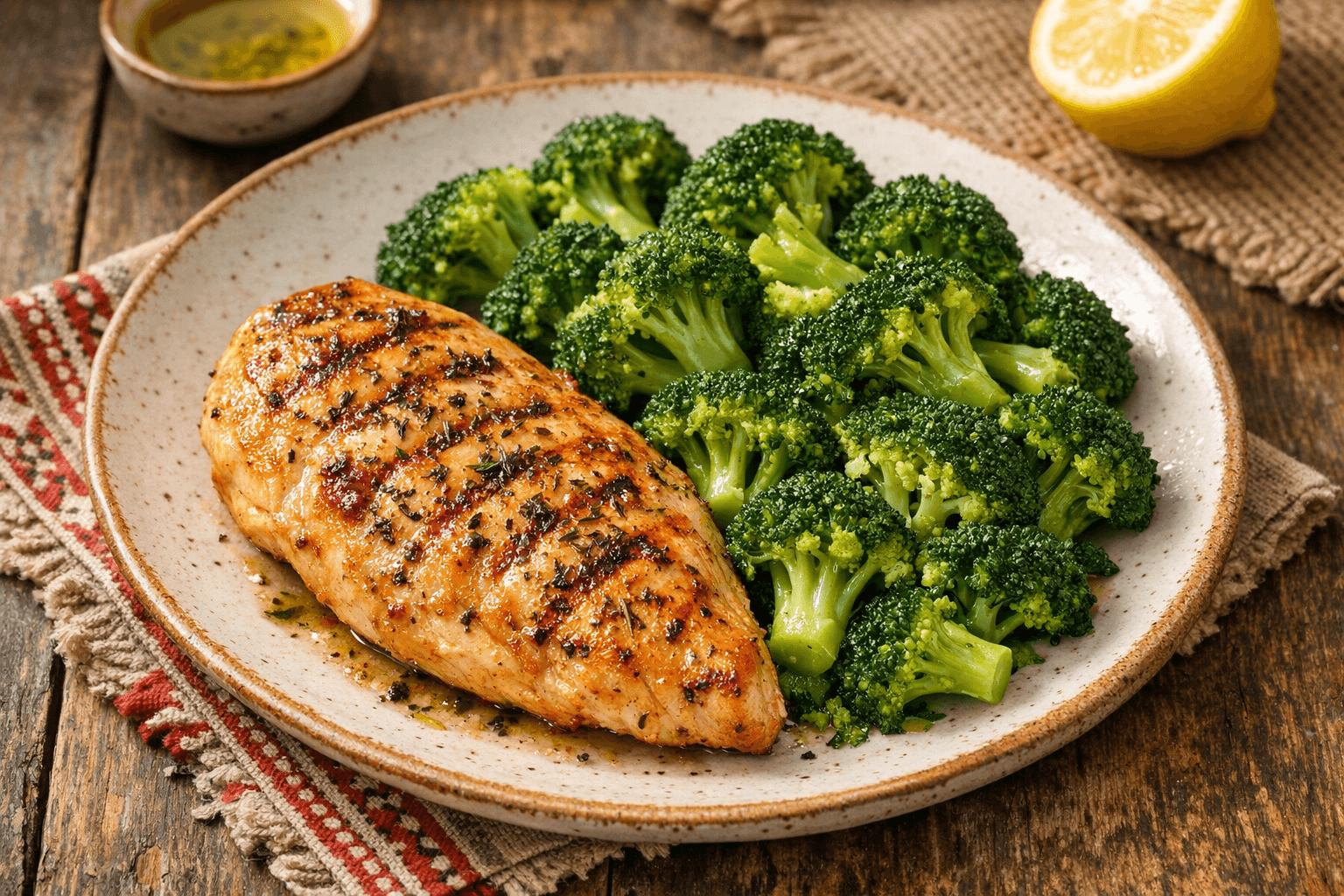
Chicken and broccoli is a classic for a reason. It is straightforward to prepare, easy to season in different ways, and provides a substantial amount of protein alongside a generous serving of vegetables.
The key to making this combination enjoyable is cooking both ingredients properly. Chicken breast can become dry when overcooked, while broccoli tastes fresher and retains a more appealing texture when it is tender but not mushy.
For a quick weeknight meal, season the chicken with garlic, paprika, black pepper, and lemon. Serve it beside steamed or roasted broccoli, then finish with a squeeze of lemon juice.
Ingredients
One serving
- 170g boneless, skinless chicken breast, raw
- 200g broccoli florets
- 1 teaspoon olive oil
- 1 garlic clove, minced
- 1/2 teaspoon paprika
- 1/4 teaspoon black pepper
- Salt, to taste
- 1–2 teaspoons lemon juice
Instructions
- Pat the chicken dry and season it with paprika, garlic, black pepper, and salt.
- Heat the olive oil in a skillet over medium heat. Cook the chicken until browned on both sides and the center reaches 165°F (74°C).
- Steam the broccoli for approximately 4–6 minutes, depending on the size of the florets. It should be tender but still have some bite.
- Slice the chicken and arrange it alongside the broccoli.
- Finish with lemon juice and serve immediately.
Why This Combination Works
Chicken supplies complete protein, while broccoli contributes fiber, vitamin C, folate, and other nutrients. The lemon and garlic provide plenty of flavor without requiring a heavy sauce.
If you need a more substantial meal, add a serving of brown rice, quinoa, or roasted potatoes. Carbohydrates are not inherently incompatible with weight loss; the goal is to choose portions that fit your overall needs.
Estimated nutrition per serving:
- Calories: approximately 360
- Protein: approximately 43g
- Carbohydrates: approximately 16g
- Fat: approximately 12g
- Fiber: approximately 6g
Estimates assume 170g raw chicken breast, 200g broccoli, and 1 teaspoon of olive oil.
Helpful Variations
- Add chili flakes for heat.
- Replace paprika with Italian seasoning.
- Roast the broccoli alongside the chicken in a 425°F (220°C) oven, checking each ingredient separately for doneness.
- Use leftover cooked chicken to shorten preparation time.
For meal prep, store the chicken and broccoli in an airtight container and refrigerate promptly. Cooked leftovers are generally best used within 3–4 days when refrigerated at 40°F (4°C) or below.
2. Salmon and Spinach
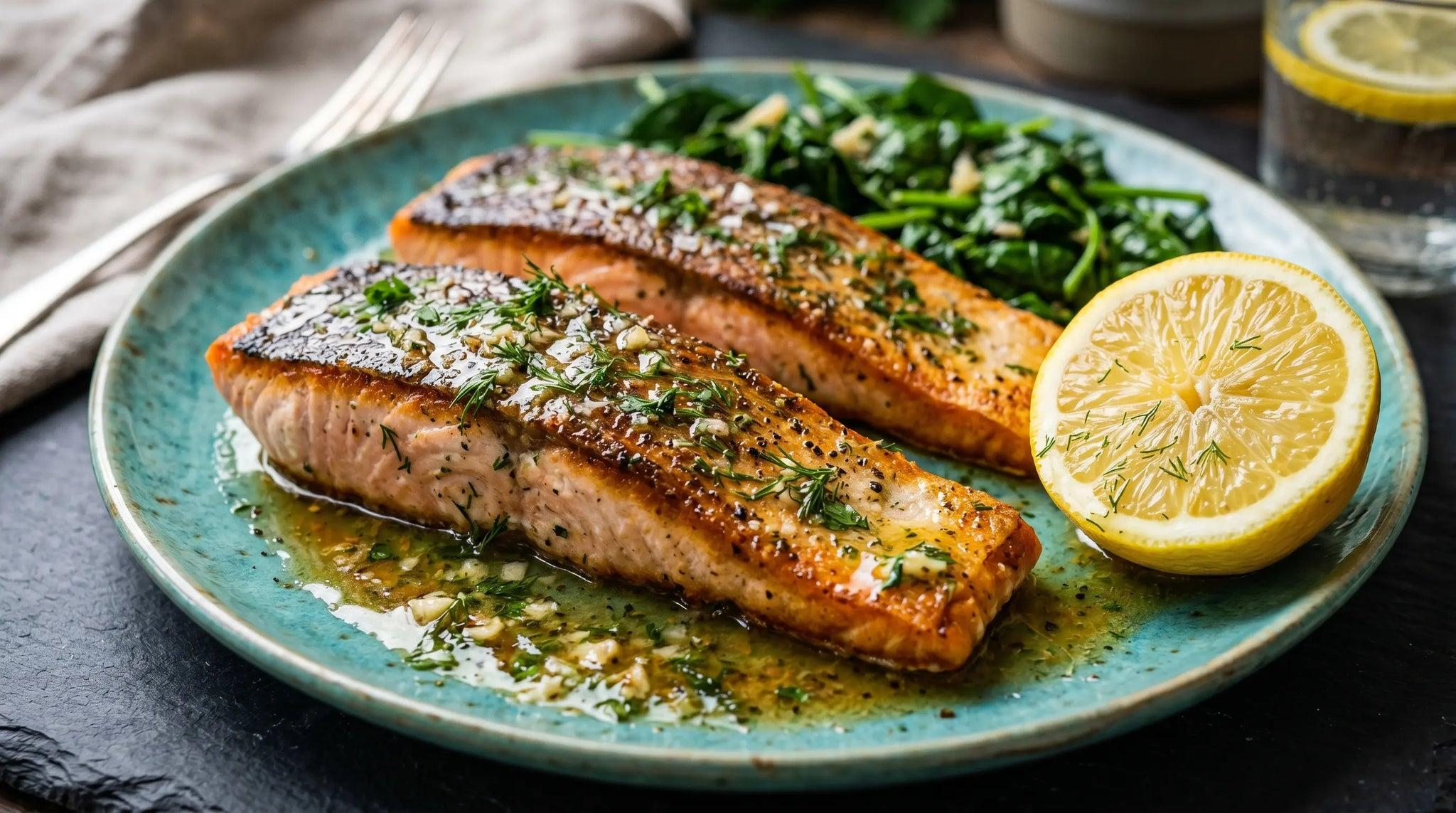
Salmon and spinach is a particularly useful combination when you want a meal that feels a little more substantial without requiring a long ingredient list.
Salmon has a rich flavor and naturally contains omega-3 fatty acids. Spinach provides folate, vitamin K, and other nutrients, and its mild flavor pairs well with the fish.
The trick is to avoid overcooking the salmon. A well-cooked fillet should be moist and tender, with a lightly browned exterior rather than a dry, chalky center.
Ingredients
One serving
- 170g salmon fillet, raw
- 150g fresh spinach
- 1 teaspoon olive oil
- 1 garlic clove, minced
- 1 tablespoon lemon juice
- 1/4 teaspoon black pepper
- Salt, to taste
Instructions
- Pat the salmon dry and season it with salt and black pepper.
- Heat half the olive oil in a nonstick skillet over medium heat.
- Add the salmon and cook for approximately 4–5 minutes per side, adjusting the time for its thickness. Cook until the center reaches 145°F (63°C), or until it reaches your preferred safe doneness.
- Remove the salmon and set it aside.
- Add the remaining oil and garlic to the skillet. Stir for about 30 seconds, then add the spinach.
- Cook for 1–3 minutes, stirring until the leaves wilt.
- Serve the salmon over the spinach and finish with lemon juice.
Why This Combination Works
Salmon provides protein and long-chain omega-3 fats, while spinach adds volume and micronutrients. The fat naturally present in salmon also contributes to the meal’s overall energy content and flavor.
This is a good reminder that a weight-management meal doesn’t have to be fat-free. Fat is an essential nutrient, and salmon can be a useful part of a balanced eating pattern.
Estimated nutrition per serving:
- Calories: approximately 410
- Protein: approximately 39g
- Carbohydrates: approximately 6g
- Fat: approximately 27g
- Fiber: approximately 3g
Helpful Variations
- Add lemon zest and dill for a fresh flavor.
- Replace garlic with finely chopped shallot.
- Use frozen spinach if that’s more convenient; thaw and squeeze out excess water first.
- Serve with a small baked potato or rice if you want additional carbohydrates.
Salmon is best freshly cooked, but you can refrigerate leftovers promptly and use them within 3–4 days. Keep the spinach separate if you prefer to reheat the fish without further cooking the greens.
3. Turkey and Peppers
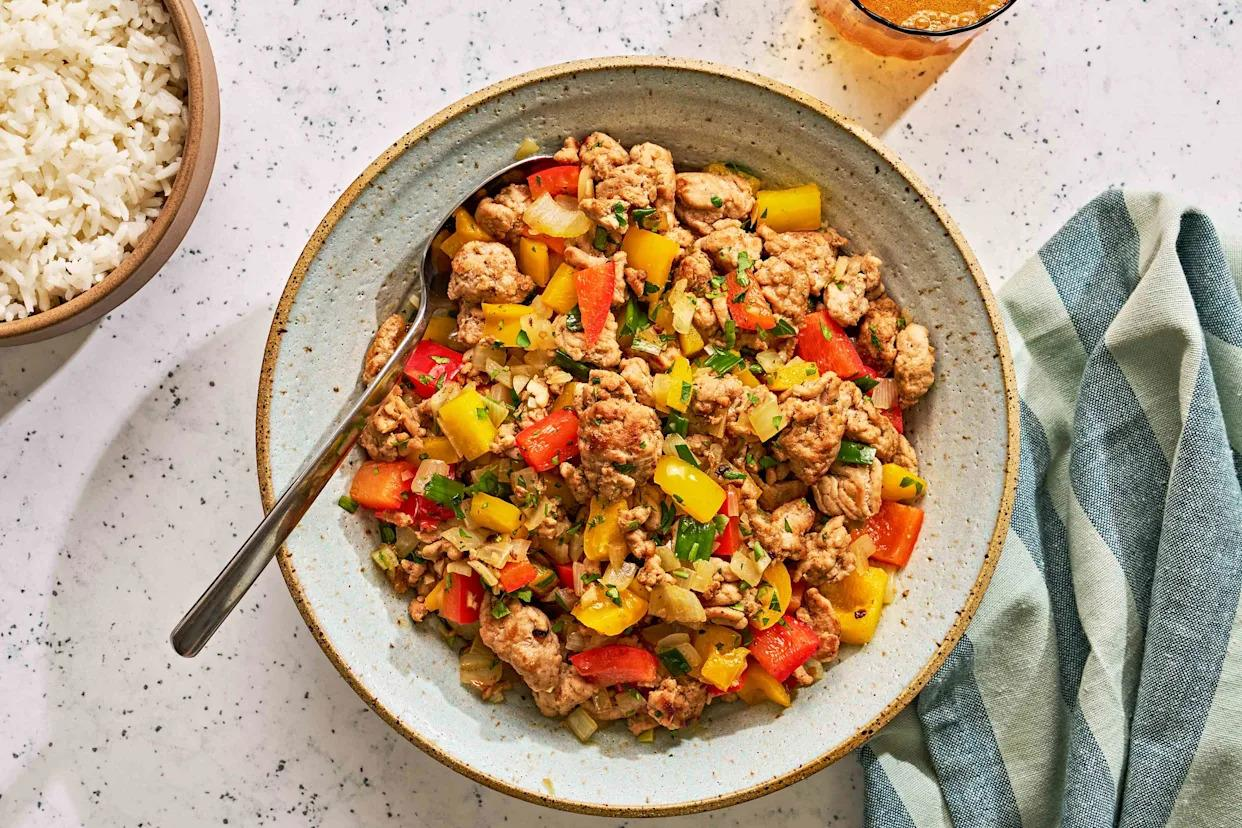
Ground turkey and bell peppers make a colorful, versatile combination for lunch or dinner. The turkey provides protein, while red, yellow, and green peppers contribute sweetness, texture, and vitamin C.
This recipe works especially well when you want to prepare several servings at once. You can serve the mixture in a bowl, spoon it over rice, stuff it into a whole-wheat wrap, or use it as a filling for lettuce cups.
For the best flavor, let the turkey brown before adding the vegetables. If you stir constantly from the beginning, the meat may release moisture and steam rather than developing the savory flavor that makes the dish satisfying.
Ingredients
One serving
- 170g lean ground turkey, raw
- 200g mixed bell peppers, sliced
- 1/4 medium onion, sliced
- 1 teaspoon olive oil
- 1 garlic clove, minced
- 1/2 teaspoon smoked paprika
- 1/2 teaspoon ground cumin
- 2 tablespoons water or low-sodium broth
- Salt and black pepper, to taste
Instructions
- Heat the olive oil in a skillet over medium-high heat.
- Add the ground turkey and break it into small pieces. Cook until lightly browned.
- Stir in the onion, garlic, paprika, cumin, salt, and pepper.
- Add the bell peppers and cook for 5–7 minutes, stirring occasionally.
- Add the water or broth if the mixture begins sticking. Continue cooking until the turkey reaches 165°F (74°C) and the peppers are tender but not completely soft.
- Taste, adjust the seasoning, and serve.
Why This Combination Works
Turkey provides complete protein, and peppers contribute color, fiber, and vitamin C. The spices give the mixture a strong flavor without relying on large amounts of added fat.
The recipe is also adaptable. You can change the seasoning to suit Mexican-inspired bowls, Mediterranean-style wraps, or a simple savory skillet.
Estimated nutrition per serving:
- Calories: approximately 340
- Protein: approximately 39g
- Carbohydrates: approximately 15g
- Fat: approximately 14g
- Fiber: approximately 5g
Helpful Variations
- Add chopped tomatoes for a saucier filling.
- Use oregano and lemon instead of cumin for a different flavor profile.
- Add black beans for more fiber and additional protein, accounting for their extra calories and carbohydrates.
- Serve with rice, quinoa, or whole-wheat tortillas for a more substantial meal.
This mixture is excellent for batch cooking. Divide it into individual containers, refrigerate promptly, and use within 3–4 days. Reheat until steaming hot throughout.
4. Eggs and Tomatoes
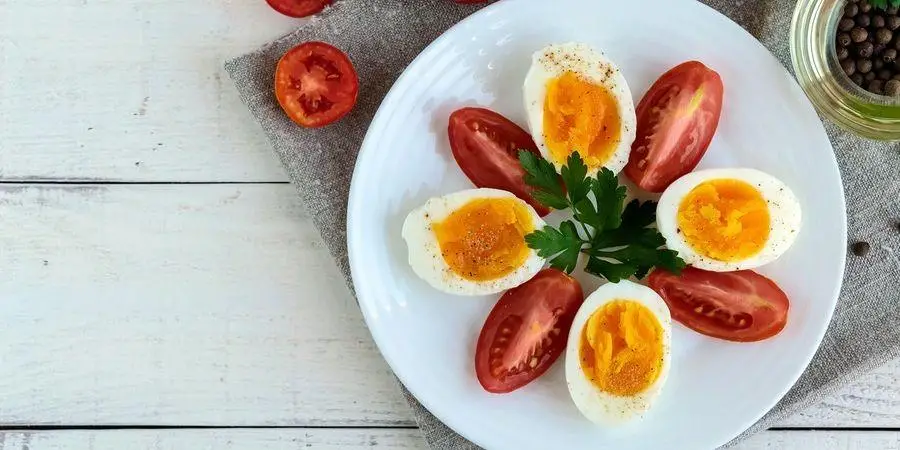
Eggs and tomatoes are one of the easiest combinations to prepare when you need breakfast, a light lunch, or a quick snack plate.
Eggs contain complete protein and provide nutrients such as choline. Tomatoes bring juiciness, acidity, and vitamin C. Together, they make a simple plate that needs very little seasoning to taste good.
For this version, hard-boiled eggs keep the preparation straightforward. You can cook several eggs in advance, refrigerate them, and assemble the plate in minutes.
Ingredients
One serving
- 3 large eggs
- 200g cherry or chopped tomatoes
- 1 teaspoon olive oil, optional
- 1 teaspoon lemon juice or vinegar
- Black pepper, to taste
- Salt, to taste
- Fresh parsley or basil, optional
Instructions
- Place the eggs in a saucepan and cover them with water.
- Bring the water to a boil, then reduce the heat and simmer gently for approximately 9–12 minutes for firm yolks.
- Transfer the eggs to cold water. Once cool enough to handle, peel and slice them.
- Halve the cherry tomatoes or chop larger tomatoes.
- Arrange the eggs and tomatoes on a plate. Add olive oil if desired, then season with salt, black pepper, and lemon juice.
- Finish with fresh parsley or basil.
Why This Combination Works
Eggs provide protein and fat, while tomatoes supply water, fiber, and vitamin C. It’s a useful combination when you want something simple without cooking a full meal.
The three eggs provide a meaningful amount of protein, although this serving contains less protein than some of the meat and fish options in this list.
Estimated nutrition per serving:
- Calories: approximately 280
- Protein: approximately 20g
- Carbohydrates: approximately 10g
- Fat: approximately 19g
- Fiber: approximately 3g
The estimate includes three large eggs, 200g tomatoes, and 1 teaspoon olive oil.
Helpful Variations
- Add a slice of whole-grain toast.
- Sprinkle with chili flakes or smoked paprika.
- Serve with cucumber slices for more crunch.
- Turn the ingredients into scrambled eggs with chopped tomatoes instead of boiling the eggs.
For meal prep, store hard-boiled eggs in their shells when possible and refrigerate them promptly. Use within one week, following food-safety guidance. Cut tomatoes are best stored in a separate covered container.
5. Tuna and Cucumber
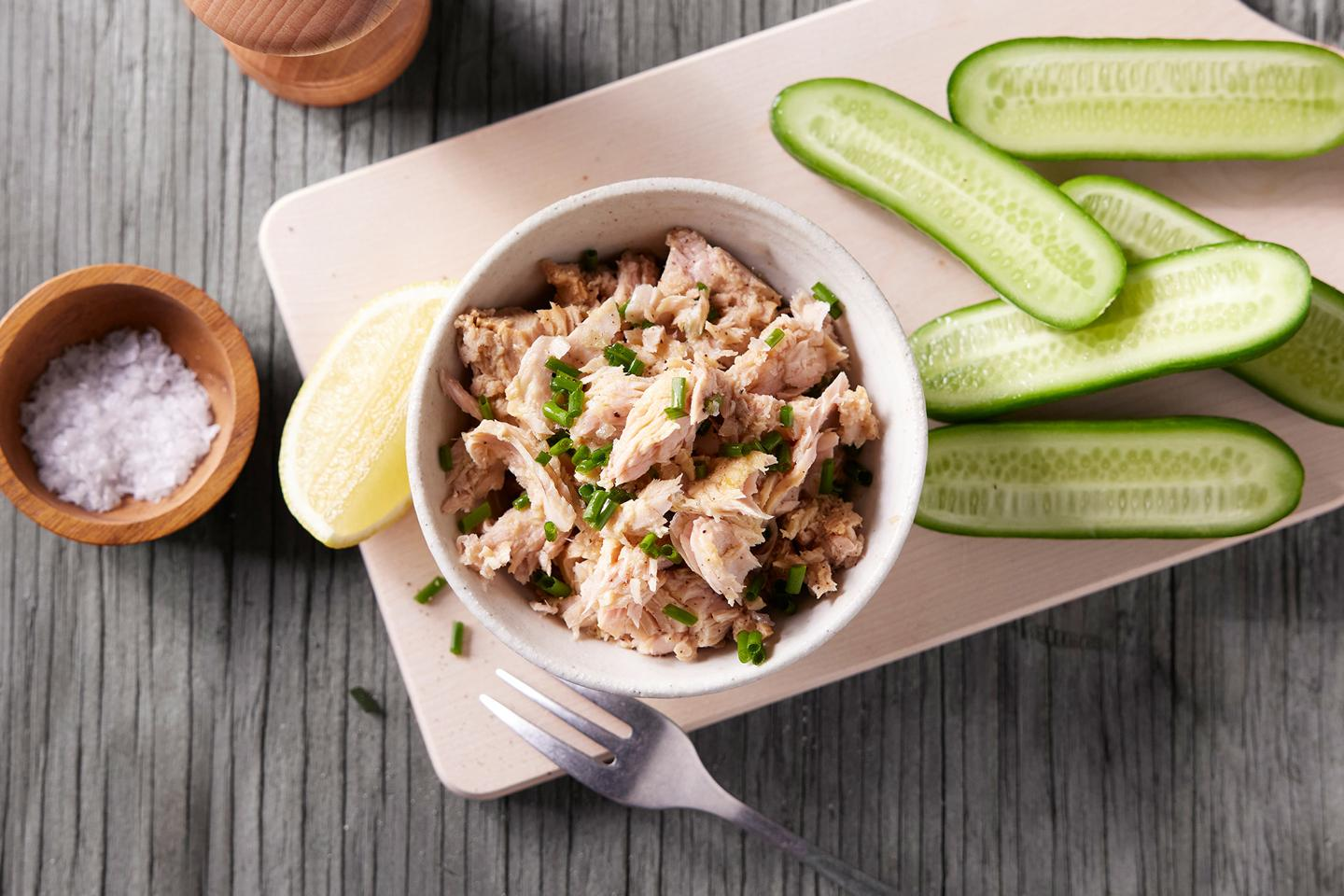
Tuna and cucumber is a practical option for days when you don’t want to cook.
Canned tuna supplies protein with very little preparation, while cucumber adds coolness, crunch, and moisture. A little lemon juice, black pepper, and fresh dill can make the combination taste fresh without needing a complicated dressing.
For a creamy version, use plain Greek yogurt in place of some or all of the mayonnaise. This also adds protein, although the exact nutritional result depends on the products and quantities used.
Ingredients
One serving
- 120g canned tuna in water, drained
- 200g cucumber, sliced or diced
- 2 tablespoons plain nonfat Greek yogurt
- 1 teaspoon lemon juice
- 1 tablespoon finely chopped red onion, optional
- 1 tablespoon chopped fresh dill or parsley
- Black pepper, to taste
- Salt, as needed
Instructions
- Drain the tuna thoroughly and place it in a bowl.
- Add the Greek yogurt, lemon juice, dill, and black pepper.
- Flake the tuna with a fork and mix until the dressing is evenly distributed.
- Add the cucumber and red onion.
- Stir gently, taste, and adjust the seasoning.
- Serve immediately, or chill briefly before eating.
Why This Combination Works
Tuna provides a concentrated source of protein, while cucumber contributes freshness and crunch with relatively few calories. Greek yogurt makes the mixture creamy without requiring a large amount of mayonnaise.
Choose canned tuna varieties according to your preferences and follow local guidance on seafood consumption. Tuna species differ in mercury content, so rotating among seafood options is sensible, particularly for people who are pregnant or may become pregnant.
Estimated nutrition per serving:
- Calories: approximately 210
- Protein: approximately 34g
- Carbohydrates: approximately 9g
- Fat: approximately 3g
- Fiber: approximately 1–2g
Helpful Variations
- Add chopped celery for extra crunch.
- Use lemon zest and dill for a brighter flavor.
- Serve in lettuce cups or with whole-grain crackers.
- Add chickpeas for more fiber and carbohydrates.
Tuna salad should be refrigerated promptly and kept cold. For best quality, eat it within 3–4 days, and avoid leaving it at room temperature for extended periods.
6. Shrimp and Zucchini
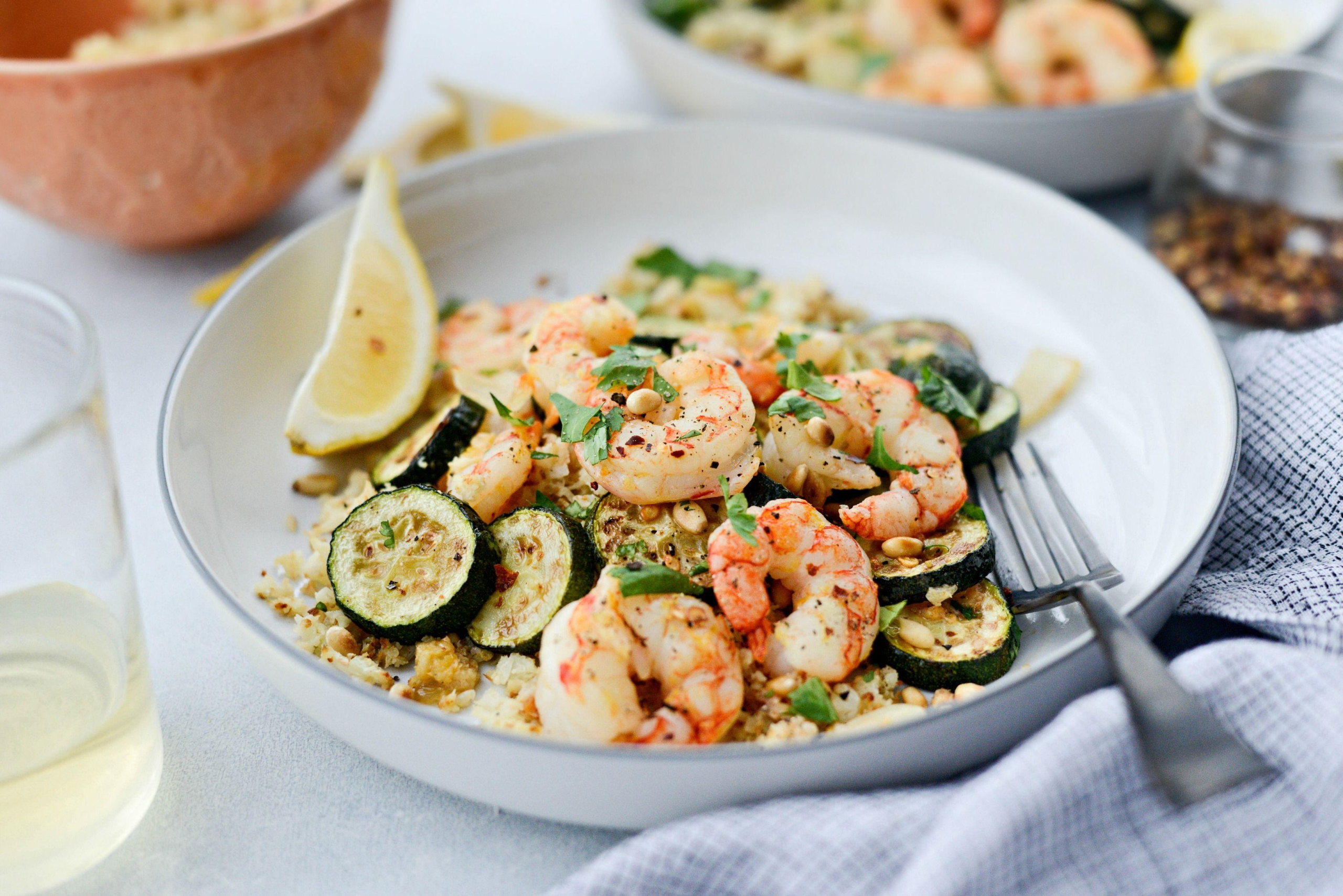
Shrimp and zucchini is a great combination when you want a warm meal that cooks quickly and doesn’t require a lot of cleanup.
Shrimp cooks in just a few minutes, and zucchini softens quickly in a skillet. Garlic, lemon, and black pepper give both ingredients plenty of flavor without masking their natural taste.
This recipe is particularly useful for busy evenings when you want a protein-rich dinner but don’t want to spend an hour preparing it.
Ingredients
One serving
- 170g raw shrimp, peeled and deveined
- 250g zucchini, sliced into half-moons
- 2 teaspoons olive oil
- 2 garlic cloves, minced
- 1 tablespoon lemon juice
- 1/2 teaspoon paprika
- 1/4 teaspoon black pepper
- Salt, to taste
- Chopped parsley, optional
Instructions
- Pat the shrimp dry with paper towels and season with paprika, black pepper, and a little salt.
- Heat 1 teaspoon of olive oil in a large skillet over medium-high heat.
- Add the zucchini and cook for 4–6 minutes, stirring occasionally, until lightly browned and just tender. Transfer it to a plate.
- Add the remaining oil and garlic to the skillet. Stir for about 20–30 seconds.
- Add the shrimp in a single layer. Cook for approximately 1–2 minutes per side, depending on size, until opaque and cooked through.
- Return the zucchini to the skillet and toss everything together.
- Add the lemon juice and parsley, then serve immediately.
Why This Combination Works
Shrimp provides substantial protein for relatively few calories, while zucchini contributes volume, water, and some fiber. Garlic and lemon create a fresh, savory flavor that doesn’t require a heavy sauce.
The main thing to watch is cooking time. Shrimp can become rubbery when left on the heat for too long, and zucchini can turn watery if it is overcrowded in the pan.
Estimated nutrition per serving:
- Calories: approximately 330
- Protein: approximately 39g
- Carbohydrates: approximately 10g
- Fat: approximately 16g
- Fiber: approximately 3g
Helpful Variations
- Add cherry tomatoes during the last few minutes of cooking.
- Use Italian seasoning instead of paprika.
- Add chili flakes for a spicy version.
- Serve with rice or whole-wheat couscous when you need more carbohydrates.
Shrimp is best freshly cooked, but leftovers can be refrigerated promptly and used within 3–4 days. Reheat gently to avoid overcooking it.
7. Beef and Green Beans
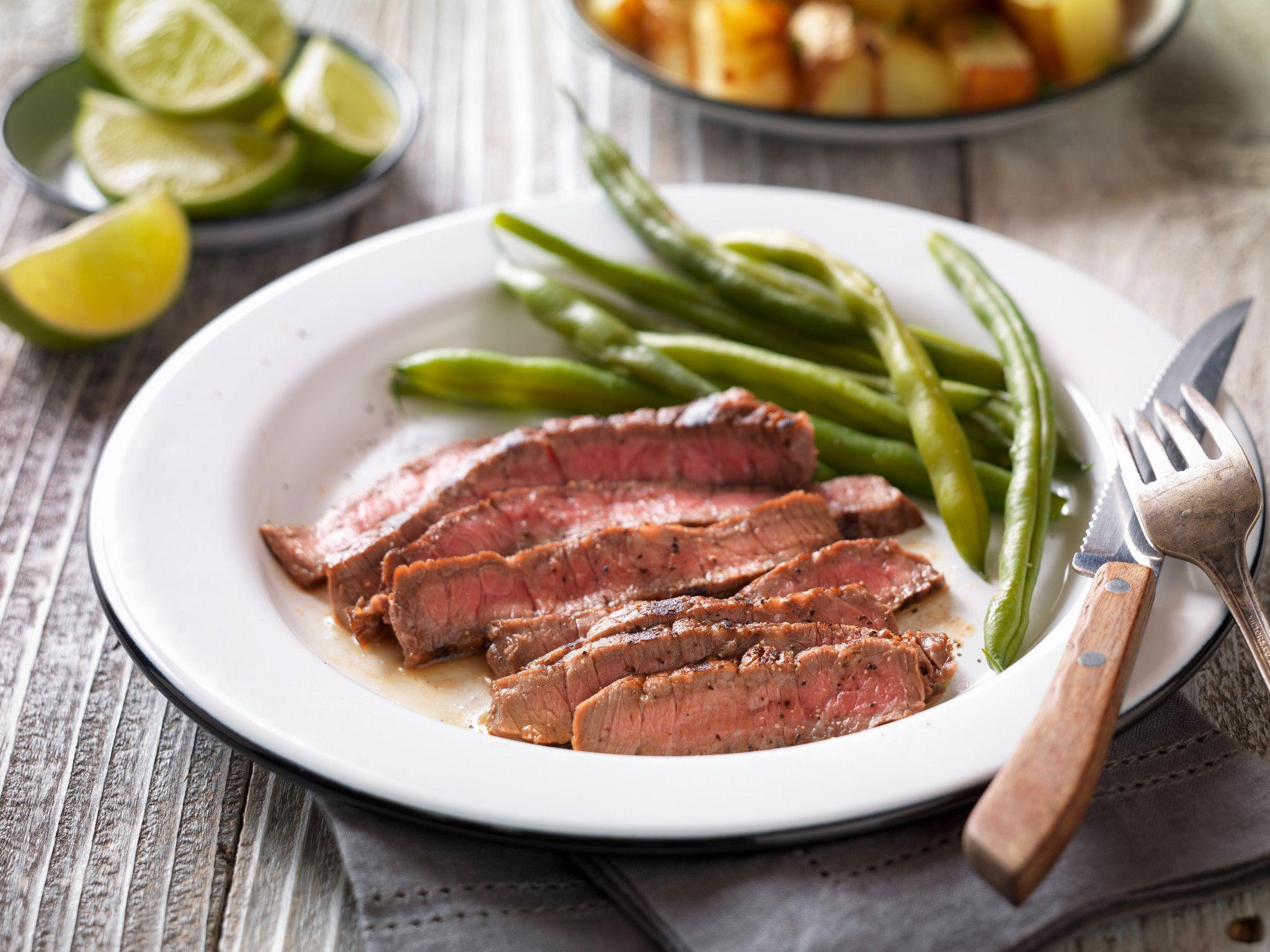
Beef and green beans is a satisfying option when you want a savory dinner with plenty of protein and a good serving of vegetables.
Lean beef supplies complete protein, iron, zinc, and vitamin B12. Green beans contribute fiber and several vitamins, along with a crisp texture that contrasts nicely with tender slices of beef.
For this recipe, use a lean steak such as top sirloin and slice it against the grain. That small detail helps keep each bite tender.
Ingredients
One serving
- 170g lean top sirloin steak, raw
- 200g green beans, trimmed
- 1 teaspoon olive oil
- 1 garlic clove, minced
- 1 teaspoon low-sodium soy sauce
- 1/4 teaspoon black pepper
- 1/4 teaspoon paprika
- Salt, to taste
Instructions
- Pat the steak dry and season it with paprika, black pepper, and a small amount of salt.
- Heat half the olive oil in a skillet over medium-high heat.
- Add the steak and sear until browned. Cooking time depends on thickness and your preferred doneness; use a food thermometer and follow safe handling guidance for beef steaks.
- Transfer the steak to a plate and allow it to rest before slicing against the grain.
- Add the remaining oil to the skillet, followed by the green beans and a tablespoon or two of water.
- Cover and cook for 3–5 minutes, then uncover and stir in the garlic and soy sauce.
- Continue cooking until the beans are tender-crisp and the liquid has mostly evaporated.
- Serve the sliced beef alongside the green beans.
Why This Combination Works
Beef offers protein and important minerals, while green beans provide vegetables with a pleasant crunch and modest calorie contribution.
The soy sauce adds savory depth, so you don’t need much additional seasoning. If you’re monitoring sodium intake, choose a reduced-sodium product and adjust the added salt.
Estimated nutrition per serving:
- Calories: approximately 380
- Protein: approximately 42g
- Carbohydrates: approximately 13g
- Fat: approximately 18g
- Fiber: approximately 5g
Helpful Variations
- Replace the soy sauce with lemon juice and herbs.
- Add mushrooms or sliced bell peppers.
- Use lean beef strips for a stir-fry-style version.
- Serve with a baked potato or brown rice for a more complete meal.
Refrigerate cooked beef and green beans promptly in shallow containers. Use refrigerated leftovers within 3–4 days.
8. Tofu and Broccoli
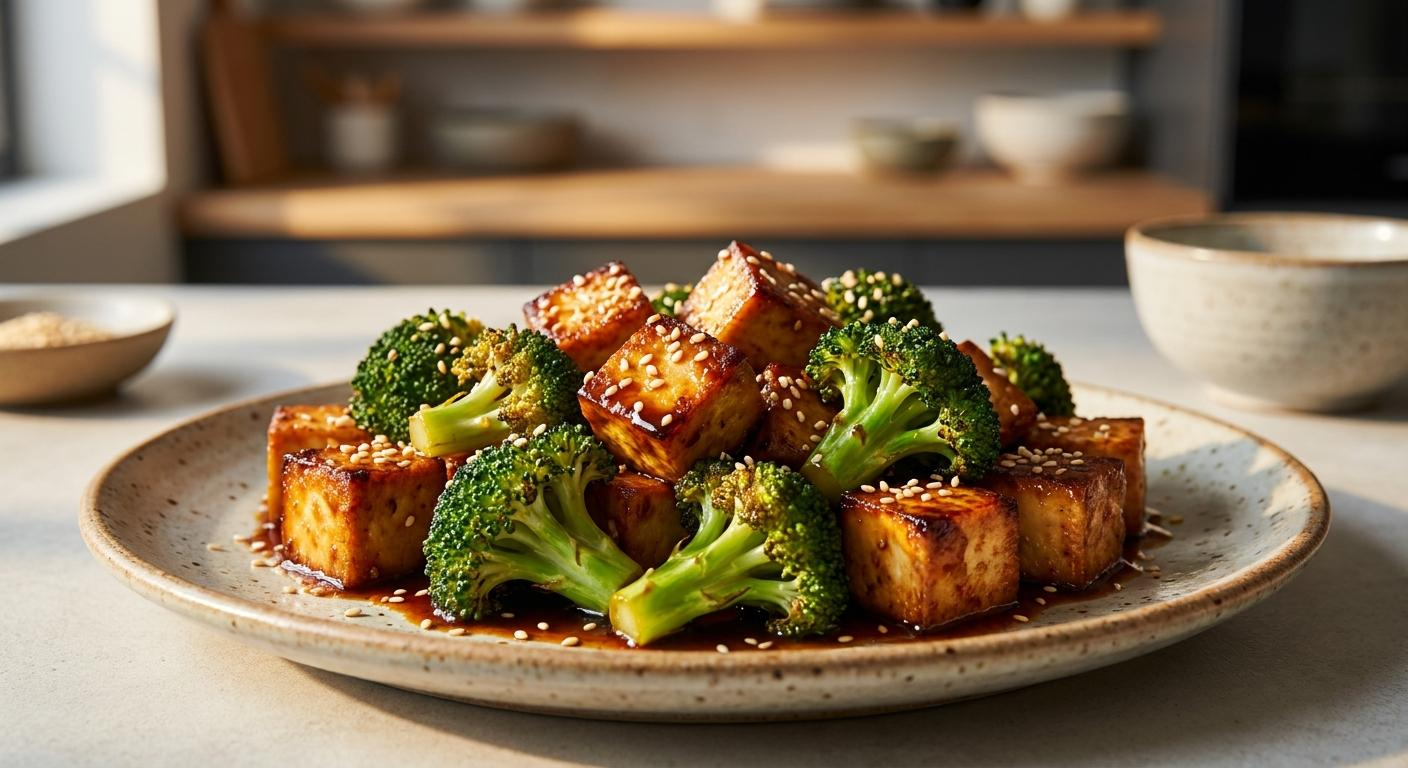
You don’t need meat or fish to create a satisfying high-protein meal. Tofu and broccoli are a versatile plant-based combination that works with a wide range of seasonings.
Tofu absorbs flavors well, while broccoli adds color, fiber, and texture. The most important preparation step is removing excess moisture from the tofu before cooking. This helps the outside brown rather than steam.
Use firm or extra-firm tofu for this recipe. Silken tofu is too delicate for the crispy cubes described here.
Ingredients
One serving
- 200g firm or extra-firm tofu, drained
- 200g broccoli florets
- 1 teaspoon olive oil
- 1 tablespoon low-sodium soy sauce
- 1 garlic clove, minced
- 1 teaspoon grated fresh ginger
- 1 teaspoon rice vinegar
- 1 teaspoon sesame seeds, optional
- Black pepper, to taste
Instructions
- Wrap the tofu in a clean kitchen towel or paper towels and press gently to remove excess moisture. Cut it into bite-sized cubes.
- Heat the olive oil in a nonstick skillet over medium-high heat.
- Add the tofu in a single layer and cook for several minutes, turning occasionally, until golden on multiple sides.
- Meanwhile, steam the broccoli for approximately 4–6 minutes until tender-crisp.
- Add the garlic and ginger to the tofu and stir briefly.
- Add the soy sauce and rice vinegar. Toss to coat the tofu evenly.
- Add the broccoli and gently combine.
- Finish with sesame seeds and black pepper before serving.
Why This Combination Works
Tofu provides plant-based protein, while broccoli contributes fiber and micronutrients. Together, they create a meal that can fit into vegetarian and vegan eating patterns.
However, tofu varies considerably in protein content depending on its firmness and brand. Check the label when calculating your intake rather than assuming every type provides the same amount.
Estimated nutrition per serving:
- Calories: approximately 330
- Protein: approximately 27g
- Carbohydrates: approximately 19g
- Fat: approximately 19g
- Fiber: approximately 6g
Helpful Variations
- Add chili paste for heat.
- Use lemon and garlic instead of soy and ginger.
- Add mushrooms, peppers, or shredded cabbage.
- Serve with brown rice or noodles if you want additional energy.
For meal prep, keep the tofu and broccoli in an airtight container in the refrigerator. The tofu may soften during storage, but it will still taste good. Use within 3–4 days.
9. Greek Yogurt and Berries
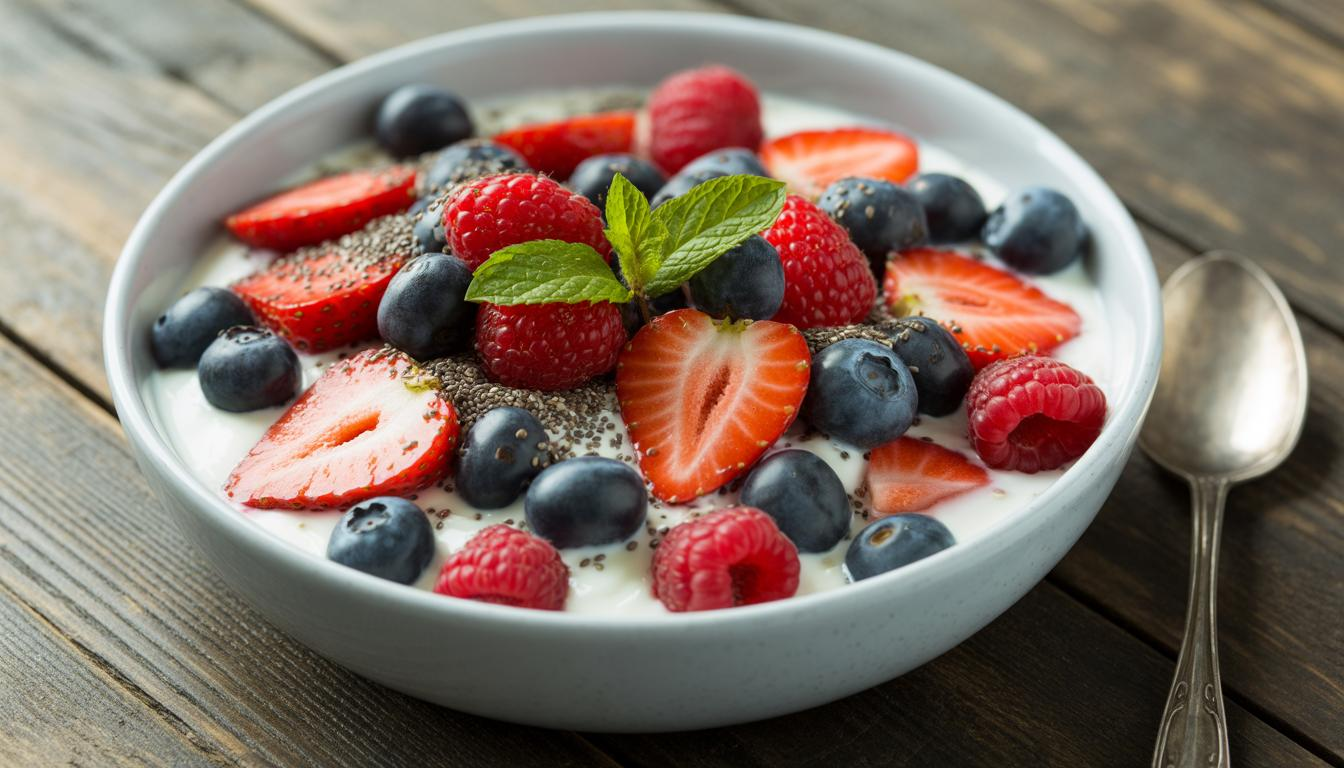
Not every protein-and-produce combination needs to be a cooked meal. Greek yogurt and berries make a convenient breakfast, afternoon snack, or simple dessert.
Greek yogurt provides protein and calcium, while berries contribute natural sweetness, fiber, and a variety of plant compounds. The creamy yogurt balances the fruit’s acidity, so the combination tastes satisfying without requiring a large amount of added sugar.
This is also one of the easiest options to customize. You can change the fruit according to what’s in season, add a little cinnamon, or include a measured portion of nuts or seeds.
Ingredients
One serving
- 200g plain nonfat Greek yogurt
- 150g mixed strawberries, blueberries, or raspberries
- 1 teaspoon chia seeds, optional
- 1/4 teaspoon vanilla extract, optional
- 1 teaspoon honey, optional
Instructions
- Spoon the Greek yogurt into a serving bowl.
- Wash the berries and dry them gently.
- Slice larger strawberries into bite-sized pieces.
- Arrange the berries over the yogurt.
- Add vanilla extract if desired, then sprinkle with chia seeds.
- Taste before adding honey; ripe berries may provide enough sweetness on their own.
- Serve immediately, or refrigerate briefly if you prefer a colder snack.
Why This Combination Works
Greek yogurt contributes a substantial amount of protein, making this a useful option when you want something quick and convenient.
Berries add fiber and flavor, while chia seeds provide additional fiber and unsaturated fats if you choose to use them.
The combination is particularly practical for people who don’t have time to cook breakfast or need an afternoon snack that requires almost no preparation.
Estimated nutrition per serving:
- Calories: approximately 190
- Protein: approximately 22g
- Carbohydrates: approximately 24g
- Fat: approximately 2g
- Fiber: approximately 6g
Estimate includes nonfat Greek yogurt, mixed berries, and chia seeds, but excludes optional honey.
Helpful Variations
- Add sliced banana for extra carbohydrates.
- Sprinkle cinnamon over the yogurt.
- Add a small portion of oats or granola for more energy.
- Use frozen berries that have been thawed and drained if fresh berries are expensive.
For meal prep, portion the yogurt into a covered container and store the berries separately if you want to prevent excess juice from thinning the yogurt. Refrigerate promptly and use within a few days, following the yogurt’s storage instructions.
10. Cottage Cheese and Cucumber
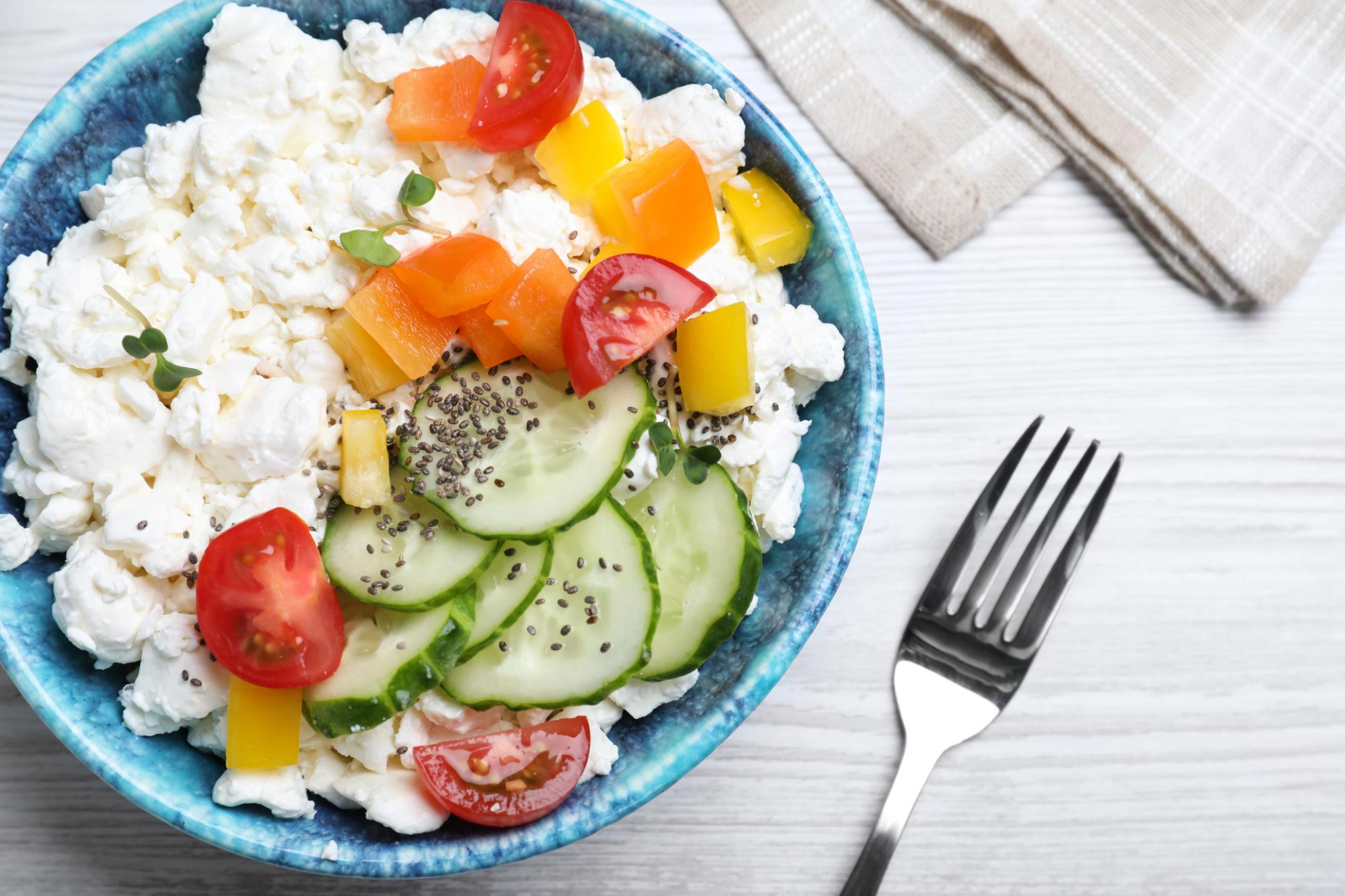
Cottage cheese and cucumber is one of the simplest combinations on this list, but it can be surprisingly satisfying when seasoned well.
Cottage cheese provides protein and calcium, while cucumber adds a cool crunch and refreshing flavor. Dill, black pepper, and lemon juice turn the combination into something that feels more like a deliberate snack than two ingredients placed in a bowl.
This pairing works particularly well when you want a light lunch component or a protein-rich snack without cooking.
Ingredients
One serving
- 200g low-fat cottage cheese
- 200g cucumber, diced or sliced
- 1 teaspoon lemon juice
- 1 tablespoon chopped fresh dill
- 1/4 teaspoon black pepper
- Salt, to taste
- 1 teaspoon olive oil, optional
Instructions
- Spoon the cottage cheese into a bowl.
- Wash and slice the cucumber. If the cucumber is particularly watery, remove the seeds before dicing.
- Add the cucumber to the cottage cheese.
- Stir in the lemon juice, dill, and black pepper.
- Taste before adding salt because cottage cheese can already contain a substantial amount of sodium.
- Finish with olive oil if desired and serve cold.
Why This Combination Works
Cottage cheese provides a concentrated source of protein in a convenient, ready-to-eat form. Cucumber contributes freshness, water, and crunch, helping the snack feel more substantial.
It’s a good option when you want protein but don’t want another cooked chicken or egg dish.
Estimated nutrition per serving:
- Calories: approximately 200
- Protein: approximately 25g
- Carbohydrates: approximately 12g
- Fat: approximately 5g
- Fiber: approximately 2g
Helpful Variations
- Add chopped tomatoes and parsley.
- Use mint instead of dill for a fresher flavor.
- Add paprika or chili flakes for a little heat.
- Serve with whole-grain crackers or a slice of whole-grain toast.
Keep the mixture refrigerated in an airtight container. Because cucumber releases water over time, it is best to add it shortly before eating if you prefer a thicker texture.
How to Build a Balanced High-Protein Meal
Although protein is the focus of these combinations, it should not be the only thing on your plate.
A satisfying meal often includes protein, vegetables or fruit, a source of carbohydrates, and some dietary fat. The right proportions depend on your appetite, activity level, health needs, and overall calorie requirements.
For example, chicken and broccoli can be a perfectly useful protein-and-produce pairing. However, if you’re hungry again shortly after eating it, adding rice or potatoes may make the meal more satisfying. Similarly, Greek yogurt and berries can make a convenient snack, but adding oats or nuts may be helpful if you’re using it as part of breakfast.
The goal is not to make every meal as low in calories as possible. It’s to create meals that are nourishing, satisfying, and practical enough to repeat.
A Simple Plate-Building Guide
The following is a flexible starting point rather than a strict dietary rule.
- Protein: Include chicken, fish, eggs, lean beef, turkey, tofu, Greek yogurt, or cottage cheese.
- Vegetables or fruit: Add one or more types, varying their colors and textures throughout the week.
- Carbohydrates: Include rice, oats, potatoes, whole-grain bread, beans, or other foods according to your energy needs.
- Fats: Include appropriate amounts of olive oil, nuts, seeds, avocado, or naturally occurring fats in foods such as salmon and eggs.
This approach leaves plenty of room for personal preferences. It also avoids the common mistake of treating carbohydrates or fats as foods that must automatically be eliminated for weight loss.
How Much Protein Do You Need?
There is no single protein target that works for every adult.
Protein requirements depend on factors such as body weight, age, activity level, health status, and whether you’re trying to maintain or build muscle. Someone who exercises regularly may have different needs from someone who is mostly sedentary.
For healthy adults, the standard recommended dietary allowance is approximately 0.8 grams of protein per kilogram of body weight per day. People who exercise regularly or are working to maintain muscle during weight loss may benefit from a higher intake, depending on their circumstances.
For example, a 75kg adult would get approximately 60g of protein per day at 0.8g/kg. That is a general reference point, not necessarily an optimal target for every person.
The meals in this article can make it easier to distribute protein throughout the day rather than trying to consume most of it in a single sitting.
You also don’t need to reach 40g of protein at every meal. The tuna, chicken, salmon, and turkey combinations offer substantial amounts, while the egg and yogurt combinations provide more moderate servings.
Choose portions that work with your individual needs instead of forcing every recipe to reach the same number.
Does Eating More Protein Automatically Cause Weight Loss?
No. Protein is useful, but it does not override overall energy intake.
A protein-rich meal may help you feel satisfied, and adequate protein can help preserve lean mass when you’re losing weight. However, weight loss generally requires a sustained energy deficit over time.
That means a meal containing chicken, vegetables, and a large amount of oil can still be energy-dense. Likewise, a meal containing rice or potatoes can fit into a weight-management plan when the overall portions suit your needs.
Focus on the complete eating pattern rather than judging meals by a single nutrient.
Meal Prep and Food Safety
Meal prep can reduce the amount of work required during the week, but it is important to store ingredients safely.
Cooked chicken, turkey, beef, shrimp, tofu, and vegetables should be placed in clean, shallow containers and refrigerated promptly. Keep the refrigerator at 40°F (4°C) or below.
Most cooked leftovers should be used within 3–4 days. If you prepare more than you can eat in that time, freeze suitable portions instead.
Here are a few additional tips:
- Keep raw meat separate from produce. Use separate cutting boards or wash equipment thoroughly between tasks.
- Cook poultry safely. Chicken and ground turkey should reach an internal temperature of 165°F (74°C).
- Use a food thermometer when needed. Appearance alone is not a reliable way to confirm safe cooking temperatures.
- Store cut fruit and vegetables correctly. Refrigerate perishable prepared produce in clean, covered containers.
- Keep cold snacks cold. Greek yogurt, cottage cheese, tuna salad, and cut cucumber should not sit at room temperature for extended periods.
- Reheat leftovers thoroughly. Reheat cooked leftovers to 165°F (74°C).
For the best texture, don’t assemble every meal days in advance. Store wet ingredients separately when practical. For example, keep the dressing separate from cucumber and tuna, or add fresh berries to Greek yogurt shortly before serving.
Nutrition Breakdown: All 10 Combinations
The following table summarizes the estimated nutrition for each recipe as written above. Each figure represents one serving, including the specified ingredients and oil where listed.
| Protein + Produce Combination | Calories | Protein | Carbs | Fat |
|---|---|---|---|---|
| Chicken + Broccoli | ~360 | ~43g | ~16g | ~12g |
| Salmon + Spinach | ~410 | ~39g | ~6g | ~27g |
| Turkey + Peppers | ~340 | ~39g | ~15g | ~14g |
| Eggs + Tomatoes | ~280 | ~20g | ~10g | ~19g |
| Tuna + Cucumber | ~210 | ~34g | ~9g | ~3g |
| Shrimp + Zucchini | ~330 | ~39g | ~10g | ~16g |
| Beef + Green Beans | ~380 | ~42g | ~13g | ~18g |
| Tofu + Broccoli | ~330 | ~27g | ~19g | ~19g |
| Greek Yogurt + Berries | ~190 | ~22g | ~24g | ~2g |
| Cottage Cheese + Cucumber | ~200 | ~25g | ~12g | ~5g |
Important nutrition note: These values are estimates, not laboratory-tested results. Actual numbers depend on the brand, cut of meat, fat percentage, drained weight, and exact amount of oil used. The eggs-and-tomatoes estimate includes olive oil; the Greek yogurt estimate includes chia seeds but excludes optional honey. The other estimates follow the ingredients listed for each recipe.
The numbers should be used as practical planning estimates rather than exact dietary prescriptions.
What the Numbers Tell Us
The chicken, turkey, tuna, shrimp, and beef combinations provide substantial protein in a single serving. Salmon offers a combination of protein and unsaturated fats, while tofu provides a plant-based alternative.
The egg-and-tomato plate provides a more moderate amount of protein, making it easy to pair with whole-grain toast or another food if you want a larger breakfast.
Greek yogurt and berries are particularly convenient for a quick snack, while cottage cheese and cucumber provide a savory option for people who prefer not to eat sweet snacks.
None of these choices is automatically superior to all the others. The best choice depends on your dietary requirements, appetite, preferences, budget, and the other foods you eat during the day.
Frequently Asked Questions
1. Which protein and vegetable combination is best for weight loss?
There isn’t one universally best combination. Chicken and broccoli, turkey and peppers, shrimp and zucchini, and tuna and cucumber are all protein-rich options that can fit into a weight-management plan.
The best choice is one you enjoy, can prepare consistently, and can fit into your overall energy and nutritional needs. Portion sizes, cooking methods, sauces, and added oils all influence the final nutrition.
2. Can I eat these combinations every day?
Yes, you can regularly eat protein-and-produce meals, but variety is beneficial. Rotate between poultry, fish, eggs, tofu, dairy products, and other protein sources while including different vegetables and fruits.
Eating a wider range of foods helps diversify your nutrient intake and prevents your meal plan from becoming unnecessarily restrictive.
3. Which combination has the most protein?
Among the recipes listed, chicken and broccoli provides approximately 43g of protein per serving, followed by beef and green beans at approximately 42g.
These values depend on the exact ingredients and portion sizes. You can increase or decrease the protein in a meal by adjusting the serving size, but you don’t need to maximize protein at every meal to eat healthfully.
4. Are these meals suitable for meal prep?
Most of them are. Chicken and broccoli, turkey and peppers, beef and green beans, and tofu and broccoli are particularly convenient for preparing in advance.
Greek yogurt and berries, tuna and cucumber, and cottage cheese and cucumber can also be prepared ahead, although storing wet ingredients separately often preserves their texture.
Refrigerate cooked foods promptly and use most cooked leftovers within 3–4 days.
5. Do I need to avoid carbohydrates to lose weight?
No. Carbohydrates can be part of a healthy weight-management plan.
Rice, oats, potatoes, beans, fruit, and whole grains provide energy and nutrients. What matters is your overall dietary pattern and energy intake, not eliminating an entire macronutrient group without a specific reason.
If you find that a protein-and-vegetable meal leaves you hungry, adding a suitable carbohydrate source may make it more satisfying.
6. Can vegetarians use these high-protein food combinations?
Absolutely. Tofu and broccoli is a plant-based option in this collection. You can also build similar meals around tempeh, edamame, beans, lentils, eggs, Greek yogurt, or cottage cheese, depending on whether you eat dairy and eggs.
Plant protein sources differ in protein content, so check portions and nutrition labels when planning your meals.
7. Should I count calories when trying to lose weight?
Calorie tracking is one possible method of understanding energy intake, but it isn’t the only approach. Some people find tracking helpful, while others prefer consistent meal structures, portion awareness, and habits they can sustain.
If you choose to track, use nutrition labels and measured portions where practical. Remember that estimates from recipe articles are approximations. If you have medical conditions or a history of disordered eating, individualized guidance from a qualified health professional may be more appropriate.
Practical Tips for Making These Meals More Enjoyable
A high-protein meal doesn’t need to taste plain. Small adjustments can make a substantial difference without complicating the recipe.
Use acid for brightness. Lemon juice or vinegar can bring chicken, fish, vegetables, and salads to life.
Season in layers. Season the protein while cooking, then taste the finished meal before adding more salt.
Change the texture. Combine tender chicken with crisp vegetables, or creamy cottage cheese with crunchy cucumber.
Use different cooking methods. Roasting creates browned edges, steaming keeps vegetables relatively delicate, and skillet cooking works well for quick meals.
Make sauces count. Garlic yogurt sauce, lemon dressing, salsa, or a small amount of soy-based dressing can add flavor. Account for their calories and sodium when tracking nutrition.
Avoid overcooking lean proteins. Chicken breast, shrimp, and lean turkey can become dry or tough if cooked for too long.
Keep convenience ingredients available. Frozen broccoli, frozen shrimp, canned tuna, plain Greek yogurt, and prewashed spinach can make balanced meals easier to assemble.
Choose produce you genuinely enjoy. If you dislike broccoli, substitute green beans, carrots, zucchini, cabbage, or another vegetable. Consistency is easier when your meals suit your preferences.
A Simple One-Day Meal Planning Example
These combinations can be used to build a day of eating, but you don’t need to eat all ten recipes in one day. Choose a few based on your appetite, schedule, and energy needs.

Breakfast: Greek Yogurt and Berries
5 minutes · No cooking
Combine plain Greek yogurt, mixed berries, and chia seeds. Add oats or whole-grain toast if you want a more substantial breakfast.

Lunch: Tuna and Cucumber
10 minutes · No cooking
Mix tuna with Greek yogurt, lemon, and herbs. Add whole-grain crackers, bread, or beans to round out the meal.

Dinner: Chicken and Broccoli
About 25 minutes · Easy to batch cook
Serve seasoned chicken with broccoli and a portion of rice or potatoes that fits your appetite and nutritional needs.
This is only an example of how to use the combinations. Your individual energy and protein needs may require additional meals, snacks, larger portions, or different foods.
How to Keep Your High-Protein Eating Plan Sustainable
One of the biggest challenges with changing eating habits is trying to change everything at once.
Instead, begin with a few reliable meals. Learn how to prepare them well, identify the ingredients you enjoy, and build a grocery list around those choices.
For example, you might buy chicken, eggs, Greek yogurt, broccoli, cucumbers, tomatoes, and berries for the week. Those ingredients can be combined in several ways without requiring an entirely different shopping list for every meal.
As you become comfortable with the basics, rotate in salmon, turkey, shrimp, tofu, beef, and other seasonal produce.
You can also adjust recipes according to your circumstances. Frozen vegetables may be more affordable than fresh ones, canned tuna may save time on busy days, and batch-cooked chicken may simplify lunch preparation.
The important thing is to create an eating pattern that provides enough food, offers a useful range of nutrients, and fits your everyday life.


Leave a Reply