
There are certain comfort foods that feel almost sacred. Lasagna is one of them. It’s the kind of dish that reminds you of slow Sundays, family dinners that stretched into long conversations, and that unmistakable moment when you lift a fork and get every layer in one perfect bite. For a long time, when I first started eating low-carb, lasagna was one of the meals I thought I had to say goodbye to forever.
That all changed the first time I made this keto zucchini no-noodle lasagna.
I still remember pulling it out of the oven, the top lightly bubbling, the kitchen smelling like garlic, herbs, and melted cheese. I expected something “good for keto,” not something that would actually satisfy that deep comfort-food craving. But the first bite surprised me. It was rich, cheesy, savory, and layered — everything I loved about traditional lasagna, without the heaviness or carb crash afterward. From that moment on, this dish became a regular in my kitchen, especially on nights when I wanted something cozy but still aligned with my health goals.
This keto zucchini no-noodle lasagna has since become one of those recipes I make for everyone — not just people eating low-carb. It’s gluten-free, naturally low in carbs, and hearty enough that no one misses the pasta. Even better, it’s one of those dishes that tastes even more incredible the next day.
What Makes This Keto Zucchini No-Noodle Lasagna Truly Special
There are plenty of zucchini lasagna recipes out there, but many of them fall short in one key area: texture. Too watery, too bland, or too “vegetable-forward” to really feel satisfying. This recipe avoids all of those pitfalls by treating zucchini as a proper lasagna layer — not just a pasta substitute.
The zucchini slices are prepared carefully to remove excess moisture, which is what allows the layers to stay firm instead of collapsing into a soggy bake. The meat sauce is slow-simmered and deeply seasoned, building richness without relying on sugar or starch. And the cheese layers are intentionally balanced — creamy, melty, and structured, not greasy or overwhelming.
Another thing that sets this dish apart is how adaptable it is. You can make it classic and meaty, lighten it up, or adjust it based on what you have in the fridge — without losing the integrity of the final dish. It’s also naturally gluten-free and works beautifully for anyone following keto, low-carb, or blood-sugar-conscious eating.
Most importantly, this is not a “diet” lasagna. It’s real food that happens to fit a low-carb lifestyle.
A Personal Note From My Kitchen
The first time I tested this recipe, I was honestly just experimenting. I had a few zucchinis that needed to be used, some ground meat in the fridge, and that familiar craving for something warm and filling after a long day. I didn’t expect it to become one of my most repeated meals.
Since then, I’ve made this keto zucchini no-noodle lasagna after workouts, for family dinners, and even for guests who had no idea it was low-carb until I told them. That’s usually when I know a recipe is a keeper — when no one asks where the pasta went.
What I love most is how forgiving it is. It doesn’t require perfection. Even when the layers aren’t picture-perfect, the flavor always comes through. And every time I reheat a slice the next day, the layers somehow hold together even better, making it ideal for meal prep and leftovers.
Equipment You’ll Need (And Why It Matters)
You don’t need anything fancy to make this dish, but a few well-chosen tools make the process smoother and the final result far better.
A large skillet is essential for browning the meat evenly and developing flavor in the sauce. You want enough surface area so the meat sears instead of steaming, which makes a noticeable difference in taste.
A sharp knife or mandoline helps create even zucchini slices. Uniform thickness ensures the zucchini cooks evenly and layers properly, preventing some sections from turning mushy while others stay undercooked.
A colander or large bowl is useful for salting and draining the zucchini. This step is critical for removing moisture and keeping the lasagna firm.
A mixing bowl allows you to prepare the cheese layer smoothly, ensuring even distribution throughout the dish.
Finally, a 9×13-inch baking dish (or similar size) gives you enough room to build proper layers without overcrowding. Glass or ceramic works especially well for even baking.
Ingredients and Smart Substitutions (With Purpose)
Each ingredient in this keto zucchini no-noodle lasagna plays a specific role, and understanding why helps you customize it without compromising the final result.
Zucchini replaces traditional pasta sheets. Its mild flavor absorbs seasoning beautifully, while its structure creates clean layers when prepared correctly.
Ground meat forms the backbone of the dish. Beef adds richness, turkey keeps it lighter, and chicken works well if you prefer a softer texture. All options are naturally keto-friendly.
Onion and garlic build the base of the sauce. Even in keto cooking, small amounts of onion are worth it for depth of flavor.
Low-carb marinara or crushed tomatoes provide acidity and balance. Choosing a sauce without added sugar is key here.
Ricotta or a thick cream-based cheese mixture creates the creamy layer that mimics traditional lasagna filling.
Mozzarella gives you that signature stretch and melt, while parmesan adds sharpness and structure.
Egg helps bind the cheese layer so the lasagna slices cleanly once baked.
Olive oil, salt, black pepper, and Italian herbs round everything out and keep the flavors balanced.
Step-by-Step Cooking Process
Preparing the Zucchini the Right Way
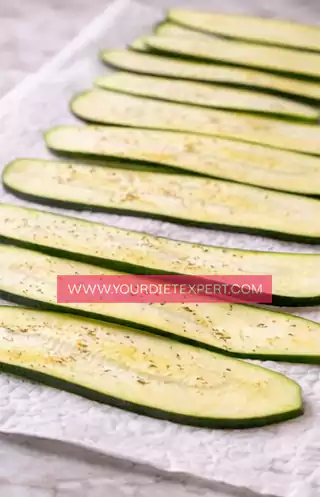
The most important step in any zucchini lasagna is moisture control. Slice the zucchini lengthwise into thin, even strips. Lay them out and sprinkle lightly with salt, then let them rest. This draws out excess water that would otherwise dilute the dish.
After resting, gently pat the slices dry. This simple step is what separates a firm, sliceable lasagna from a watery casserole.
Building a Rich, Low-Carb Meat Sauce
Heat oil in your skillet and cook the onion slowly until soft and translucent. Add garlic and stir just until fragrant. Then add the ground meat, breaking it up thoroughly as it browns.
Once fully cooked, season generously and stir in the low-carb marinara. Let the sauce simmer gently. This resting time allows flavors to deepen and prevents the lasagna from tasting flat.

Mixing the Creamy Cheese Layer
In a bowl, combine ricotta, egg, and seasoning until smooth. This mixture should be creamy but structured — it’s what gives the lasagna its signature layered feel instead of turning into a loose bake.

Layering the Keto Zucchini No-Noodle Lasagna
Once all the components are ready, assembling this keto zucchini no-noodle lasagna becomes almost therapeutic. Think of it as building flavor in stages rather than rushing to stack everything at once.
Start by lightly greasing your baking dish. Spoon a thin layer of the meat sauce across the bottom. This first layer acts as insulation, preventing the zucchini from sticking and helping everything cook evenly.
Next, lay down a single layer of zucchini slices. Slight overlap is fine, but avoid stacking too thickly. The goal is coverage, not bulk.
Spread a portion of the ricotta mixture evenly over the zucchini. Take your time here — smooth layers create clean slices later. Sprinkle a generous handful of mozzarella over the top, followed by a light dusting of parmesan.
Repeat this process: sauce, zucchini, ricotta mixture, mozzarella. Most dishes comfortably hold three full layers, but this can vary slightly depending on the depth of your pan and the thickness of your zucchini slices.
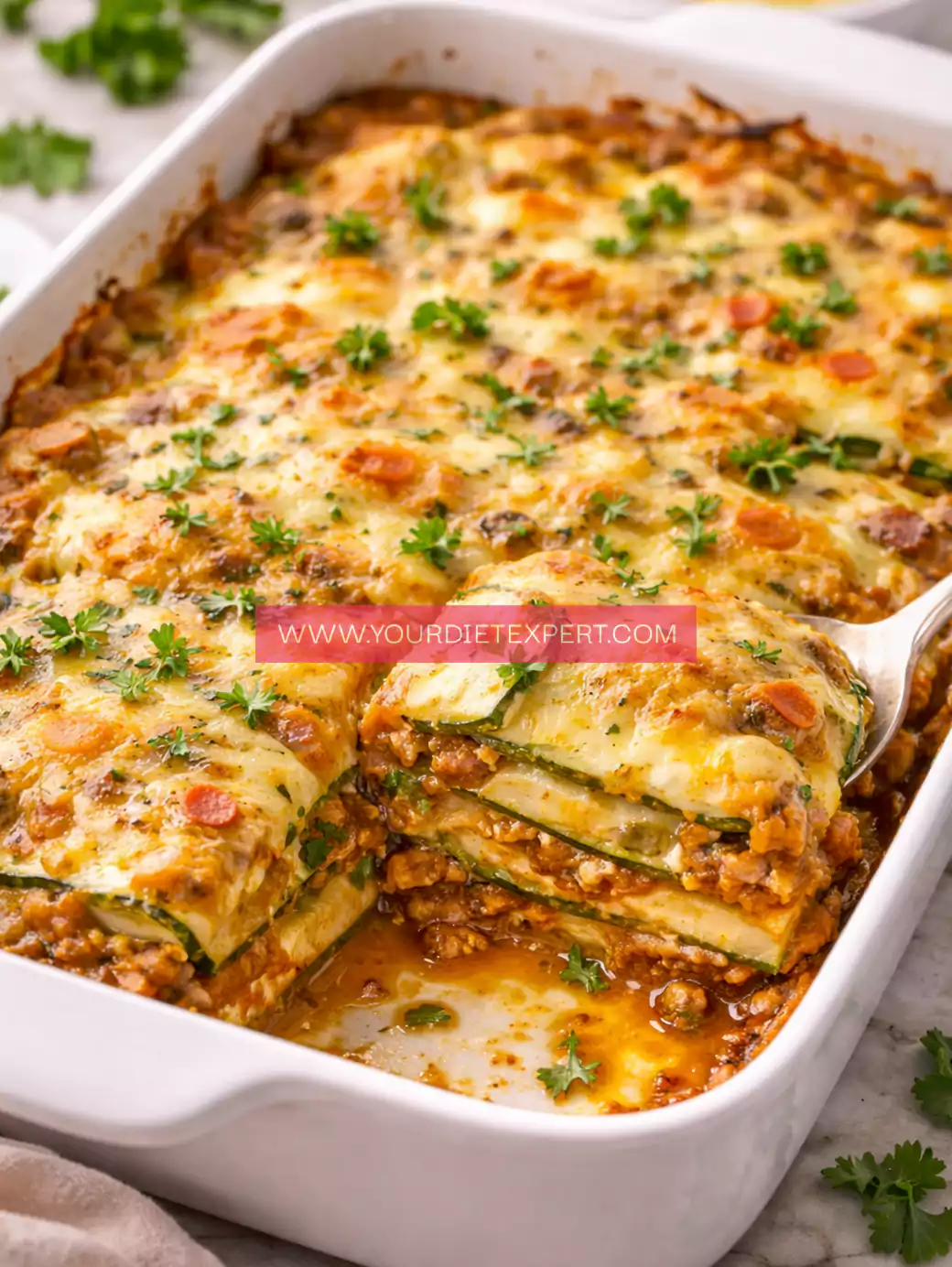
Finish with a final layer of zucchini, remaining sauce, and a generous topping of mozzarella and parmesan. This top layer is what gives the lasagna its golden, bubbling finish.
Baking Until Perfectly Set
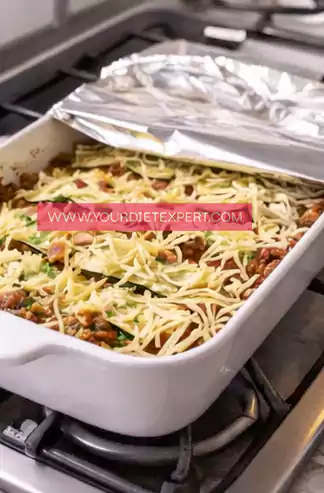
Cover the dish loosely with foil and place it into a preheated oven. The foil traps steam just long enough for everything to heat through evenly without drying out.
After the initial bake, remove the foil and return the lasagna to the oven. This uncovered stage allows the cheese to melt fully and develop light browning on top.
You’ll know it’s ready when the edges are bubbling gently and the center feels set when lightly pressed. Resist the urge to overbake — keto lasagnas firm up more as they rest.
Once baked, let the lasagna rest for at least 15–20 minutes before slicing. This resting time is non-negotiable. It allows the layers to settle, making clean slices possible instead of a loose scoop.
Health & Nutrition Insights
This keto zucchini no-noodle lasagna is more than just low-carb comfort food — it’s a nutritionally balanced meal that supports steady energy and satiety.
Zucchini provides fiber and hydration without spiking blood sugar. The protein from meat and cheese supports muscle repair and fullness, making this dish especially satisfying after workouts or long days. Healthy fats from cheese and olive oil slow digestion and help keep cravings in check.
Because this recipe avoids refined carbs and gluten, it’s naturally blood-sugar friendly and works well for ketogenic, low-carb, and diabetic-conscious eating styles.
Serving & Pairing Ideas
This lasagna is hearty enough to stand on its own, but it pairs beautifully with lighter sides. A crisp green salad with lemon vinaigrette balances the richness perfectly. Roasted broccoli or garlic green beans also complement the flavors without adding unnecessary carbs.
For gatherings, this dish works exceptionally well as a make-ahead main. It reheats beautifully and often tastes even better the next day as the flavors deepen.
Storage & Meal Prep Tips
Store leftovers tightly covered in the refrigerator for up to four days. For meal prep, slice the lasagna into portions once fully cooled and store individually.
To reheat, warm gently in the oven or microwave until heated through. Avoid overheating, which can cause the cheese to separate slightly.
This lasagna can also be frozen. Wrap tightly and freeze for up to two months. Thaw overnight in the refrigerator before reheating.
Frequently Asked Questions
Can I make this dairy-free?
Yes, though the texture will change. Use dairy-free cheese alternatives that melt well and increase seasoning slightly to compensate for flavor loss.
How do I prevent watery lasagna?
Salting and drying the zucchini thoroughly is the single most important step. Skipping this almost guarantees excess liquid.
Can I make this vegetarian?
Absolutely. Replace the meat with sautéed mushrooms and spinach for a satisfying plant-forward version.
Is this freezer-friendly?
Yes. It freezes well once fully baked and cooled.
Kitchen Tips & Troubleshooting
If your lasagna releases liquid after slicing, let it rest longer. If the top browns too quickly, tent loosely with foil. If the layers slide, reduce sauce slightly next time.
Every oven behaves differently — trust visual cues more than exact timing.
Nutrition Breakdown (Approximate, Per Serving)
Calories: ~420
Protein: ~32g
Fat: ~30g
Total Carbs: ~9g
Net Carbs: ~5g
Recipe Details
Prep Time: 25 minutes
Cook Time: 45 minutes
Total Time: 1 hour 10 minutes
Course: Main Dish
Cuisine: Italian-Inspired
Servings: 6
Calories: ~420 per serving
Closing Note
This dish proves that eating low-carb doesn’t mean giving up the foods you love. With a little intention and the right techniques, comfort food can still feel nourishing, satisfying, and deeply enjoyable.

Keto Zucchini No-Noodle Lasagna Recipe
Ingredients
Method
- Slice the zucchini lengthwise into thin, even strips using a sharp knife or mandoline. Lay the slices out in a single layer on a clean kitchen towel or paper towels and sprinkle them very lightly with salt. Let them rest for about 15 minutes. During this time, the salt will draw excess moisture out of the zucchini, which is crucial for preventing a watery lasagna. After resting, gently press and pat the slices dry with additional towels, removing as much surface moisture as possible without tearing the zucchini.
- Place a large skillet over medium heat and add the olive oil. Once the oil is warm and shimmering, add the chopped onion. Cook slowly, stirring occasionally, until the onion becomes soft and translucent. This should take about 4–5 minutes. Avoid browning the onion, as you want a sweet, mellow base rather than a harsh flavor.
- Stir the minced garlic into the softened onions and cook for about 20–30 seconds, just until fragrant. Keep the garlic moving and watch closely, as garlic can burn quickly and turn bitter if overheated.
- Add the ground meat to the skillet, breaking it apart with a spoon or spatula as it cooks. Continue cooking until the meat is fully browned and no longer pink. Season with salt, black pepper, and Italian seasoning, stirring well so the seasoning is evenly distributed. Take a moment to taste and adjust seasoning if needed—this is the backbone of the lasagna’s flavor.
- Pour the marinara sauce into the skillet with the cooked meat. Stir to combine, then reduce the heat to low and let the sauce simmer gently for about 10 minutes. This short simmer allows the flavors to meld and slightly thickens the sauce, helping the final lasagna hold its shape better.
- While the sauce simmers, prepare the ricotta layer. In a medium bowl, add the ricotta cheese and crack in the egg. Mix thoroughly until smooth and fully combined. The mixture should be creamy and cohesive, with no visible streaks of egg. This mixture adds structure and creaminess to the lasagna layers.
- Preheat the oven to 190°C (375°F). Lightly grease a baking dish with oil or butter, making sure to coat the bottom and sides to prevent sticking.
- Spoon a thin layer of the meat sauce into the bottom of the prepared baking dish and spread it evenly. This initial layer prevents the zucchini from sticking and helps everything cook evenly.
- Arrange a single layer of zucchini slices over the sauce, slightly overlapping them if necessary to fully cover the surface. Spread a portion of the ricotta mixture evenly over the zucchini, then sprinkle a generous layer of mozzarella cheese on top.
- Repeat the layering process: meat sauce, zucchini slices, ricotta mixture, and mozzarella. Continue until all components are used, finishing with a final layer of meat sauce and the remaining cheese on top for a golden, bubbly finish.
- Cover the baking dish loosely with foil, making sure it does not touch the cheese. Place the dish in the preheated oven and bake for 30 minutes. This covered stage allows the lasagna to heat through evenly without drying out.
- Carefully remove the foil and return the dish to the oven. Bake for an additional 10–15 minutes, or until the cheese on top is melted, bubbling, and lightly golden around the edges.
- Remove the lasagna from the oven and let it rest for 15–20 minutes before slicing. This resting time is essential—it allows the layers to set and the excess moisture to redistribute, making the lasagna much easier to slice cleanly.
- Slice gently using a sharp knife and serve warm. The lasagna should hold its shape while still being tender, cheesy, and rich in flavor.


Leave a Reply