Bring a large pot of water to a rolling boil over high heat and generously season the water with salt. The salted water helps flavor the pasta from the inside while it cooks. Once the water is boiling, add the high-protein pasta and stir immediately to prevent sticking. Cook according to the package instructions until the pasta reaches an al dente texture, meaning it should still have a slight firmness in the center rather than becoming overly soft. High-protein pasta can cook more quickly than regular pasta, so check it a minute or two early to avoid overcooking.
Before draining the pasta, carefully scoop out and reserve about 1/2 cup of the starchy pasta water using a measuring cup or ladle. This pasta water is important because it helps create a silky, creamy sauce later without needing excessive cream or butter. After reserving the water, drain the pasta well and set it aside while preparing the rest of the dish.
Pat the salmon fillets completely dry using paper towels. Removing excess moisture helps the salmon develop a beautiful golden crust instead of steaming in the skillet. Drizzle the salmon lightly with olive oil, then rub the Cajun seasoning evenly over all sides of the fillets so every bite is flavorful and well seasoned.
Heat a large skillet over medium heat and allow it to warm fully before adding the salmon. Place the salmon fillets carefully into the skillet and cook for several minutes on the first side without moving them too much. This helps create a lightly crisp, flavorful crust. Flip the salmon gently and continue cooking until the fish is fully cooked, tender, and flakes easily with a fork. The center should look opaque and moist rather than dry.
Remove the cooked salmon carefully from the skillet and transfer it to a clean plate. Allow it to rest for a few minutes while preparing the sauce. Resting helps the salmon stay juicy and makes it easier to flake into large tender chunks later.
Using the same skillet, add the sliced bell peppers and minced garlic directly into the remaining flavorful juices left behind from the salmon. Sauté over medium heat for several minutes, stirring occasionally, until the peppers soften slightly and the garlic becomes fragrant. The vegetables should remain slightly tender-crisp for the best texture and freshness.
Reduce the heat to low so the creamy sauce stays smooth and does not separate. Slowly pour the milk into the skillet, then add the Parmesan cheese, Greek yogurt, and reserved pasta water. Stir gently and continuously until the ingredients melt together into a smooth, creamy sauce. The Parmesan should fully dissolve while the Greek yogurt creates a rich texture without making the sauce overly heavy.
Continue stirring slowly until the sauce becomes silky, creamy, and evenly combined with no clumps remaining. If the sauce feels too thick, add a small splash of additional pasta water or milk until it reaches your preferred consistency. The sauce should lightly coat the back of a spoon while still feeling smooth and creamy.
Add the cooked pasta directly into the skillet with the sauce. Using tongs or a large spoon, toss the pasta thoroughly until every piece becomes evenly coated in the creamy Cajun sauce. Allow the pasta to sit in the skillet for a minute or two so it absorbs some of the flavor while staying creamy and tender.
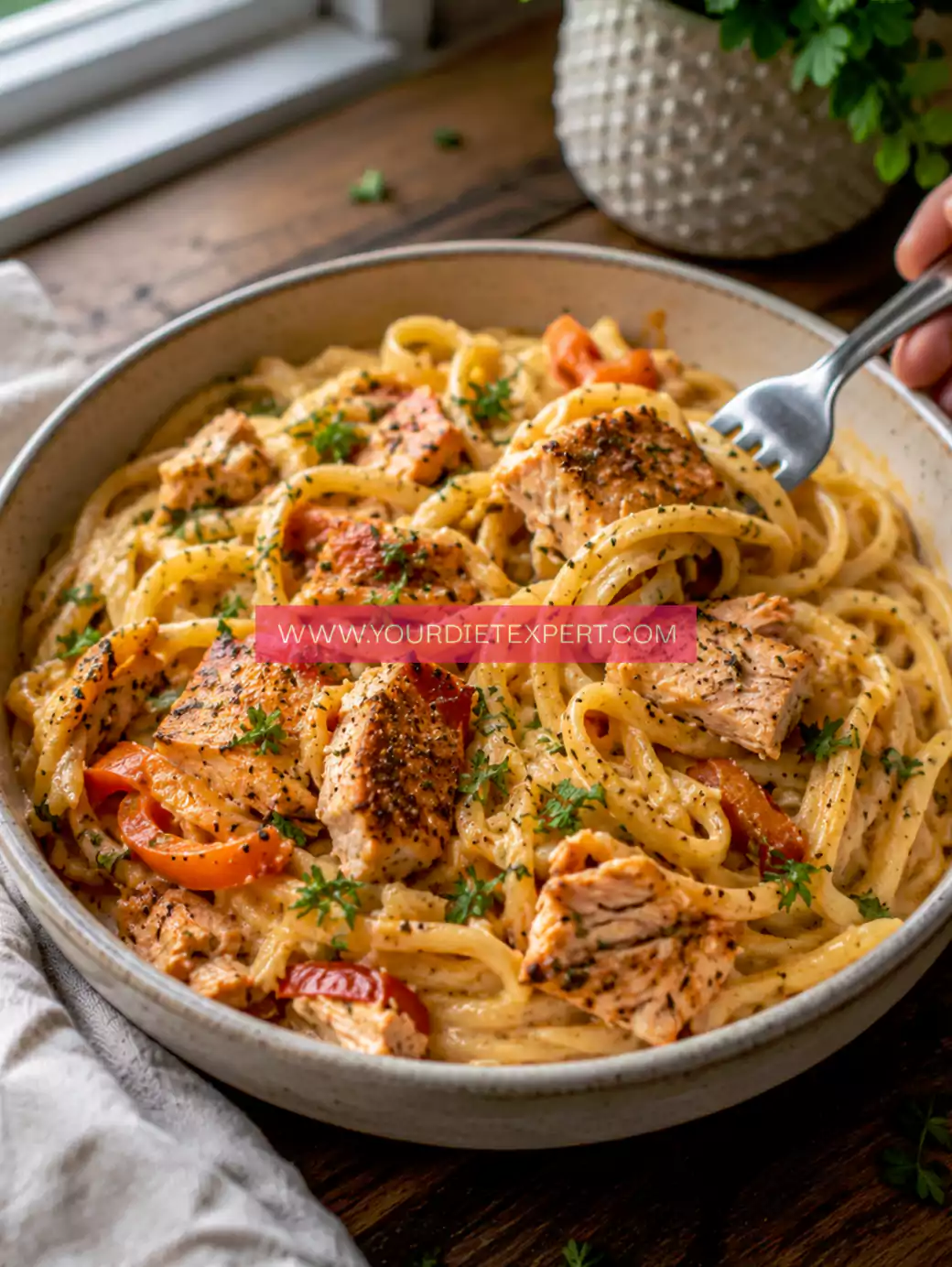
Gently flake the cooked salmon into large bite-sized chunks using a fork or your hands. Carefully fold the salmon into the pasta using slow motions so the pieces stay tender and don’t break apart too much. The salmon should remain visible throughout the dish in hearty flaky pieces rather than becoming shredded into the sauce.
Taste the pasta and adjust the seasoning if needed. Add extra Cajun seasoning for more smoky heat, a pinch of salt to enhance flavor, or freshly cracked black pepper for added depth. Small adjustments at the end help balance the creaminess and spice perfectly.
Serve the pasta warm immediately while the sauce is still creamy and smooth. Garnish with extra Parmesan cheese, chopped parsley, or an additional sprinkle of Cajun seasoning if desired. Pair with roasted vegetables, a fresh salad, or garlic green beans for a balanced high-protein dinner that feels comforting, flavorful, and restaurant-quality.