
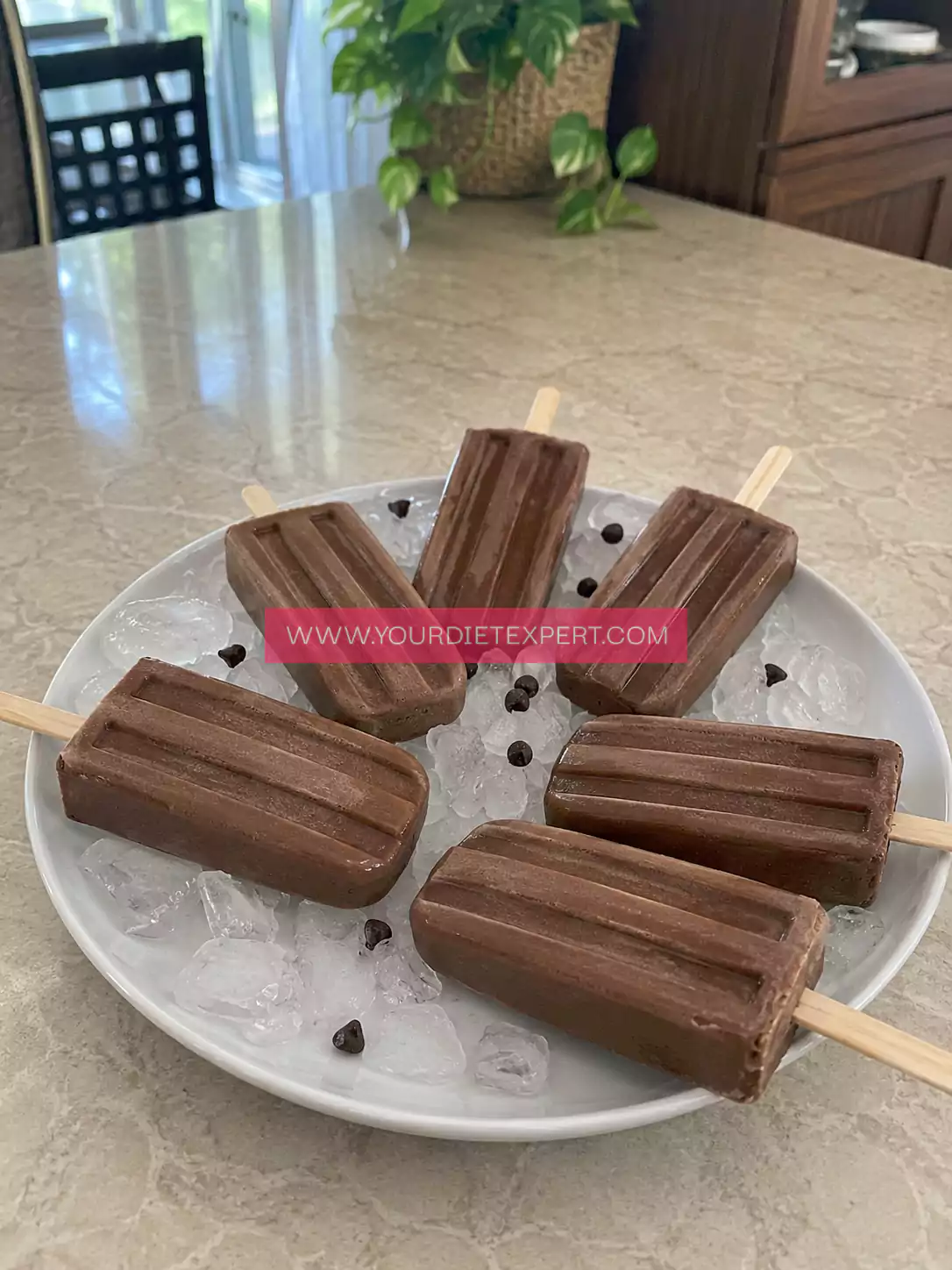
There are some summer cravings that are impossible to ignore, especially when the weather is hot and you want something cold, creamy, and chocolatey. For me, that craving usually means ice cream or a frozen chocolate dessert, but I also want something that fits naturally into a protein-focused eating plan. That’s exactly why I love these High-Protein Low-Carb Chocolate Popsicles. They taste rich and fudgy, have a smooth frozen texture, and provide a surprisingly satisfying amount of protein in a dessert that feels much more indulgent than it actually is.
I started experimenting with homemade protein popsicles because I wanted a frozen treat that didn’t depend on a long list of ingredients or a huge amount of sugar. The challenge was finding the right balance. Too much protein powder made the popsicles chalky, too little made them nutritionally unimpressive, and too much liquid created icy pops instead of creamy ones. After a few batches, I found a combination that worked beautifully: Greek yogurt, protein powder, unsweetened cocoa, and a creamy milk base blended together until smooth.
The finished popsicles are exactly what I want on a warm afternoon or after a workout. They’re cold enough to feel refreshing, chocolatey enough to satisfy a dessert craving, and substantial enough to contribute meaningful protein to the day. Because they’re portioned individually, they’re also incredibly easy to keep in the freezer for those moments when you want something sweet without turning dessert into a major eating event.
What Makes This Recipe Stand Out
A frozen dessert can absolutely have a place in a balanced, high-protein lifestyle.
The trick is building it around ingredients that contribute useful nutrition while keeping the flavor and texture enjoyable.
These popsicles do exactly that.
High in Protein
The main protein sources are Greek yogurt and vanilla or chocolate protein powder.
Depending on the products you choose and the size of your molds, each popsicle can provide approximately 12–15 grams of protein.
That means two popsicles can provide roughly 24–30 grams of protein, making them a surprisingly substantial snack.
Low in Carbohydrates
There’s no need for a large quantity of sugar, syrup, or high-carb fruit in the base.
Instead, the chocolate flavor comes primarily from unsweetened cocoa and protein powder.
Using a low- or zero-sugar sweetener helps keep the carbohydrate content relatively modest.
Of course, exact carbohydrate levels depend on your specific protein powder, yogurt, and milk.
Creamy Rather Than Icy
One of the biggest problems with homemade popsicles is texture.
A mixture made mostly from water can freeze hard and icy.
This recipe uses Greek yogurt and milk to create a richer base, while the protein powder adds body.
The result is much closer to a frozen creamy dessert than a traditional fruit ice pop.
Easy Meal Prep
Make a batch once and keep it in the freezer.
That gives you an individually portioned dessert for days or weeks.
They’re especially convenient for:
- Summer meal prep
- Post-workout snacks
- Evening desserts
- Afternoon cravings
- Family freezer treats
Chocolate Without a Heavy Dessert
Unsweetened cocoa provides deep chocolate flavor without relying on a large amount of sugar.
You can intensify the chocolate flavor further with a small amount of espresso powder or extra vanilla.
Naturally Customizable
The basic recipe can easily become:
- Chocolate peanut butter
- Double chocolate
- Chocolate coconut
- Mocha protein
- Chocolate almond
- Chocolate strawberry
Once you have the base texture right, the variations are almost endless.
My Personal Blogger Note
I first made these popsicles on a very hot afternoon when I wanted something cold after a workout but didn’t want another smoothie.
I had Greek yogurt in the refrigerator, cocoa powder in the pantry, and a chocolate protein powder that I hadn’t used in a frozen recipe before.
I blended everything together and poured it into popsicle molds.
The first batch tasted good, but the texture was much harder than I wanted.
That taught me an important lesson about frozen protein desserts: the ingredients have to be balanced carefully.
For the next batch, I adjusted the yogurt and milk ratio and blended the mixture much more thoroughly.
The difference was huge.
Instead of an icy chocolate pop, I got something creamy and soft enough to bite into after a few minutes out of the freezer.
That’s the version I’ve kept making ever since.
I love keeping a batch in the freezer because they solve the exact kind of craving that can derail an otherwise balanced day.
When I want chocolate, I don’t have to improvise.
I can grab one popsicle, sit down for a few minutes, and actually enjoy it.
That small amount of preparation makes healthy eating feel much more realistic.
Equipment Needed
You don’t need an ice cream machine or any complicated equipment for this recipe.
Blender
A blender is the easiest way to create a smooth, lump-free chocolate mixture.
It fully incorporates the Greek yogurt, cocoa, protein powder, milk, and sweetener.
A smooth base is especially important because any dry protein powder pockets will remain noticeable after freezing.
Measuring Cups and Spoons
Accurate measurements help maintain the correct consistency.
They also make calorie and protein tracking much easier.
Silicone or Plastic Popsicle Molds
Choose molds with enough room for the mixture to expand slightly as it freezes.
Individual molds also make portion control simple.
Popsicle Sticks
Use the sticks supplied with your molds or wooden popsicle sticks designed for frozen desserts.
Small Spatula
A spatula helps scrape the blender clean so you don’t waste any of the protein-rich mixture.
Freezer-Safe Container
If you have extra mixture or want to store the finished popsicles together after unmolding them, an airtight freezer container helps prevent freezer burn.
Ingredients with Substitutions
Plain Non-Fat Greek Yogurt — 1½ Cups
Greek yogurt gives the popsicles their creamy texture while providing a substantial amount of protein.
Its slight tang also balances the richness of the cocoa.
Substitutions
Use:
- Low-fat Greek yogurt
- Skyr
- High-protein plain yogurt
Full-fat yogurt creates a richer texture but increases calories and fat.
Chocolate Protein Powder — 2 Scoops, About 60 g
Chocolate protein powder provides concentrated protein and reinforces the chocolate flavor.
Whey protein isolate usually creates a smooth texture.
Substitutions
You can use:
- Vanilla protein powder
- Chocolate whey concentrate
- Chocolate plant-based protein powder
If using vanilla protein, increase the cocoa powder slightly for a stronger chocolate flavor.
Plant-based protein may require a little additional milk because it can absorb more liquid.
Unsweetened Almond Milk — 1 Cup
Unsweetened almond milk helps create a pourable mixture while keeping calories relatively low.
Substitutions
Use:
- Skim milk
- High-protein milk
- Unsweetened soy milk
- Another preferred milk alternative
High-protein milk can increase the protein content further.
Unsweetened Cocoa Powder — 3 Tablespoons
Cocoa powder provides rich chocolate flavor without requiring melted chocolate.
It also helps deepen the color of the popsicles.
Substitution
Use Dutch-process cocoa for a smoother, less acidic chocolate flavor.
Powdered Monk Fruit or Allulose — 2–3 Tablespoons
The amount depends on the sweetness of your protein powder.
Start with two tablespoons and taste before adding more.
Alternatives
Use:
- Powdered erythritol
- Stevia blend
- Another preferred low-sugar sweetener
Vanilla Extract — 1 Teaspoon
Vanilla adds depth and helps smooth out the flavor of the protein powder and cocoa.
Pinch of Salt
A very small amount of salt intensifies the chocolate flavor.
You won’t taste salt in the finished popsicle.
You’ll simply notice that the chocolate tastes richer.
Optional Instant Espresso Powder — ½ Teaspoon
This is one of my favorite additions when I want an extra-deep chocolate flavor.
It won’t necessarily make the popsicles taste like coffee.
Instead, it can make the chocolate taste more intense.
Optional Mini Chocolate Chips — 2 Tablespoons
Fold these into the blended mixture just before filling the molds.
Use a low-sugar or dark chocolate option if preferred.
Keep in mind that chocolate chips will increase calories and carbohydrates.
Optional Peanut Butter
For a chocolate-peanut-butter version, add 2 tablespoons natural peanut butter.
Because peanut butter changes the texture, you may need a tablespoon or two of additional milk.
Step-by-Step Cooking Process
These popsicles are extremely simple to make, but the preparation method matters.
The biggest goal is to create a completely smooth mixture before freezing.
Any lumps or dry pockets become much more noticeable once frozen.
The other important factor is balance.
You want enough yogurt and protein to create a creamy texture, but enough liquid to keep the popsicles from becoming excessively hard.
Step 1: Chill the Ingredients
For the creamiest result, use cold Greek yogurt and milk straight from the refrigerator.
Cold ingredients help the mixture reach a thick, creamy texture quickly in the blender.
Step 2: Add the Greek Yogurt
Place the Greek yogurt into the blender first.
Adding it before the dry ingredients helps create a smoother blending environment.
Step 3: Add Protein Powder
Add the chocolate protein powder.
If your powder is very fine, you can add it directly.
If it tends to clump, sift it briefly before blending.
Step 4: Add the Cocoa Powder
Add the unsweetened cocoa powder to the blender.
Cocoa powder can cling to the sides, so scrape down the blender once or twice during mixing if necessary.
The goal is a completely uniform chocolate mixture with no visible powder.
Step 5: Add the Milk
Pour in the unsweetened almond milk.
The liquid helps everything blend smoothly while keeping the mixture thin enough to pour into the popsicle molds.
If you’re using high-protein milk instead, you’ll get a slightly higher protein content.
Step 6: Add the Sweetener and Vanilla
Add:
- Powdered monk fruit or allulose
- Vanilla extract
- Pinch of salt
- Optional espresso powder
Blend again.
Taste the mixture before freezing.
This is the best point to adjust sweetness and chocolate intensity.
Step 7: Blend Until Completely Smooth
Blend on medium-high speed for approximately 30–60 seconds.
Stop and scrape the sides if needed.
The finished mixture should look glossy, creamy, and completely uniform.
There should be no visible streaks of yogurt or protein powder.
Important Tip
Don’t assume that longer blending is always better.
Once everything is completely incorporated, stop.
Excessive blending can warm the mixture slightly, which isn’t a major problem but can make it harder to achieve the thick texture you’re looking for.
Step 8: Taste and Adjust
Take a small spoonful.
Ask yourself:
- Is the chocolate flavor strong enough?
- Is it sweet enough?
- Is the vanilla noticeable?
- Is there enough salt to bring out the chocolate?
Adjust gradually.
For more chocolate flavor, add another teaspoon of cocoa powder.
For more sweetness, add a little additional sweetener.
For a richer mocha flavor, add another small pinch of espresso powder.
Step 9: Add Optional Mix-Ins
If you’re using mini chocolate chips, chopped nuts, or another mix-in, fold them into the blended mixture now.
Don’t blend them.
Keeping some texture gives the popsicles a more interesting bite.
For a smooth popsicle, simply leave them out.
Step 10: Pour Into the Popsicle Molds
Place the popsicle molds on a stable tray or plate.
Carefully pour the chocolate mixture into each mold.
Don’t fill completely to the top.
Leave a small amount of space because the mixture can expand slightly as it freezes.
Step 11: Insert the Sticks
Insert the popsicle sticks according to the instructions for your molds.
Make sure they’re centered.
If the mold has individual lids that hold the sticks in place, secure them before transferring everything to the freezer.
Step 12: Freeze
Place the molds on a level surface in the freezer.
Freeze for at least 5–6 hours.
For the firmest result, freeze overnight.
Avoid opening and closing the freezer repeatedly during the first few hours.
A consistent freezing environment helps produce a smoother texture.
Step 13: Release the Popsicles
When you’re ready to eat one, don’t pull the stick aggressively.
Instead, run the outside of the mold briefly under warm water.
After approximately 10–15 seconds, gently pull upward.
The popsicle should release cleanly.
Important Tip
Don’t use hot water.
Very hot water can melt the outside too quickly while the center remains frozen, which can cause cracking or uneven release.
Step 14: Let It Rest Briefly
Allow the popsicle to sit for approximately 1–2 minutes after removing it from the mold.
This slightly softens the surface and makes the texture more pleasant.
The exact timing depends on how cold your freezer is.
Optional Chocolate Shell
For an extra dessert-style finish, you can create a thin chocolate coating.
Melt approximately ¼ cup dark chocolate with 1 teaspoon coconut oil.
Dip the frozen popsicle quickly into the chocolate.
The cold surface will cause the chocolate to set almost immediately.
This creates a crisp chocolate shell similar to a chocolate-covered frozen dessert.
Keep in Mind
The shell adds calories and fat, so it’s completely optional.
The popsicles are delicious without it.
Optional Peanut Butter Version
To turn the recipe into chocolate peanut butter popsicles, add:
2 tablespoons natural peanut butter
to the blender.
Blend until completely smooth.
Because peanut butter thickens the mixture, add another 1–2 tablespoons almond milk if needed.
You can also drizzle a very small amount of peanut butter over the frozen popsicles before serving.
Optional Mocha Version
Add:
½–1 teaspoon instant espresso powder
to the blender.
This creates a deeper chocolate flavor with a subtle coffee note.
For a stronger mocha profile, combine it with a vanilla protein powder rather than chocolate protein powder.
Optional Chocolate-Coconut Version
Replace part of the almond milk with unsweetened light coconut milk.
Add:
- 1 tablespoon unsweetened shredded coconut
- Extra coconut on the outside after unmolding
This makes the popsicles taste more tropical while keeping the chocolate flavor prominent.
7. Health & Nutrition Insights 💪
A frozen dessert doesn’t have to be nutritionally empty.
These High-Protein Low-Carb Chocolate Popsicles are built around ingredients that contribute protein, flavor, and texture without requiring a large amount of added sugar.
Supports Protein Intake
Greek yogurt and protein powder provide the majority of the protein.
Depending on the exact products and serving size, one popsicle provides approximately 13–15 grams of protein.
Two popsicles can therefore provide around 26–30 grams.
That makes them useful as a snack or dessert within a protein-focused eating plan.
Protein Supports Muscle Repair
Protein supplies amino acids that your body uses to maintain and repair muscle tissue.
For people doing resistance training, consuming enough total protein throughout the day is important for supporting recovery and lean mass.
A frozen protein dessert can contribute to that overall intake without having to feel like a traditional fitness product.
Greek Yogurt Adds Creaminess and Nutrients
Greek yogurt isn’t simply a texture ingredient.
It can also provide:
- Protein
- Calcium
- Phosphorus
- Vitamin B12, depending on the product
That makes it a useful foundation for a protein-rich frozen dessert.
Cocoa Adds Chocolate Flavor
Unsweetened cocoa powder provides intense chocolate flavor while adding relatively few calories compared with ingredients such as chocolate syrup or melted candy.
It also contributes naturally occurring plant compounds.
The important thing is that cocoa should be treated as a flavoring ingredient, not a magic health food.
Moderate Carbohydrates
The recipe doesn’t rely on large amounts of sugar, syrup, bananas, dates, or other high-carbohydrate ingredients.
That helps keep the carbohydrate content relatively modest.
However, the popsicles are low-carb, not necessarily zero-carb.
Greek yogurt and protein powder naturally contain some carbohydrates, and product labels vary significantly.
Satiety
Protein is generally more satiating than carbohydrates or fat.
That means a protein-rich frozen dessert may be more satisfying than a conventional sugary popsicle.
It’s still a dessert, though, so portion size remains important.
Helps Make Healthy Eating More Enjoyable
One reason people struggle with restrictive diets is that the food doesn’t feel enjoyable.
Having desserts that genuinely taste good can make a healthy eating pattern more sustainable.
These popsicles don’t require you to eliminate chocolate.
They simply use a more protein-focused ingredient base.
Metabolism and Hormonal Health: A Realistic Perspective
You’ll often see high-protein desserts advertised as “metabolism boosting” or “hormone balancing.”
Those claims need context.
Protein does have a relatively high thermic effect compared with carbohydrates and fat, and adequate protein helps support lean tissue.
However, one popsicle does not dramatically increase metabolic rate.
Likewise, no individual recipe should be presented as a treatment for hormonal problems.
A balanced diet, appropriate calorie intake, regular physical activity, sufficient sleep, and overall health habits are much more important.
8. High Protein Plan & Macro Insights 📊
These High-Protein Low-Carb Chocolate Popsicles can fit into several nutrition strategies.
They’re especially useful because the portions are already defined.
Estimated Nutrition Per Popsicle
Assuming the recipe produces 8 popsicles, one popsicle provides approximately:
- Calories: 120–135
- Protein: 13–15 g
- Fat: 2–4 g
- Carbohydrates: 8–10 g
- Fiber: 1–2 g
These values are estimates and can vary significantly depending on your protein powder, yogurt, milk, and sweetener.
Two Popsicles as a Protein Snack
Two popsicles would provide approximately:
- 240–270 calories
- 26–30 g protein
That makes them a surprisingly substantial snack.
They’re particularly useful when you want dessert but also need to increase your protein intake.
For Fat Loss
These popsicles can fit nicely into a calorie-controlled plan.
For a lower-calorie version:
- Use fat-free Greek yogurt.
- Use unsweetened almond milk.
- Choose a lower-calorie protein powder.
- Skip optional chocolate chips.
- Skip the chocolate shell.
The biggest advantage is portion control.
One popsicle gives you a defined serving without requiring you to measure dessert every time.
For Muscle Building
If you’re eating in a calorie surplus, the popsicles can become a more calorie-dense dessert by adding:
- Peanut butter
- Chopped nuts
- Chocolate shell
- Coconut
- Additional granola alongside the popsicle
The protein content is already substantial, so additional calories can come from fats or carbohydrates depending on your needs.
For Weight Maintenance
One popsicle makes an easy evening dessert.
Two can work as a more substantial snack.
The appropriate amount depends on your overall calorie and protein requirements.
Best Times to Eat These Popsicles
Post-Workout
If you want something cold after training, one or two popsicles can provide a convenient protein serving.
For additional carbohydrates, pair them with fruit.
Afternoon Snack
They’re a great alternative to cookies, candy, or traditional ice cream when a chocolate craving appears.
Evening Dessert
This may be the most natural use.
A cold chocolate popsicle gives you the dessert experience without requiring a large bowl of ice cream.
Summer Meal Prep
Make a batch on the weekend and keep them frozen.
That gives you several ready-made desserts throughout the week.
How to Build Them Into a High-Protein Day
A high-protein lifestyle works best when protein is distributed throughout the day.
For example:
Breakfast: Eggs with Greek yogurt and fruit
Lunch: Grilled chicken bowl with rice and vegetables
Snack: 2 High-Protein Chocolate Popsicles
Dinner: Lean beef or chicken with potatoes and roasted vegetables
Evening: Cottage cheese with berries
The popsicles become one enjoyable component of the day rather than the sole strategy for increasing protein.
Why These Work for Fitness Meal Prep
Frozen snacks are particularly useful because there is almost no daily preparation.
Make the mixture once.
Fill the molds.
Freeze overnight.
Then simply take out a serving whenever you need one.
That makes this a surprisingly practical fitness meal prep dessert.
It also helps create variety.
You don’t have to eat the same protein shake or yogurt bowl every day.
Macro Adjustment Guide
Want More Protein?
Use high-protein milk and Greek yogurt, or slightly increase the protein powder.
Don’t add too much protein powder at once because it can make the popsicles chalky.
Want Fewer Carbohydrates?
Choose an unsweetened milk alternative, a low-carbohydrate protein powder, and a low-sugar sweetener.
Check your labels carefully because “protein powder” can vary dramatically in carbohydrate content.
Want More Calories?
Add peanut butter, nuts, coconut, or the optional chocolate shell.
Want More Fiber?
Add a small amount of chia seeds or ground flaxseed.
Keep additions modest because they change the texture.
Portion Control Made Easy
One of the biggest benefits of popsicles is that the portion is built into the recipe.
You don’t have to scoop ice cream.
You don’t have to weigh dessert.
You simply know that one mold equals one portion.
That makes these particularly convenient for anyone tracking macros.
9. Serving + Pairing Ideas 🍫
These High-Protein Low-Carb Chocolate Popsicles are delicious straight from the freezer, but there are plenty of ways to turn them into a more complete snack or dessert.
Add Fresh Berries
Fresh berries provide a bright contrast to the rich chocolate flavor.
Try serving one popsicle with:
- Strawberries
- Raspberries
- Blueberries
- Blackberries
The slight acidity of berries works particularly well with chocolate.
Make a Chocolate Peanut Butter Dessert
For a more indulgent version, drizzle the popsicle with a small amount of natural peanut butter.
You can also add a few chopped peanuts for crunch.
This combination is especially satisfying because the creamy chocolate flavor pairs naturally with the nutty richness of peanut butter.
Add Greek Yogurt
Place a spoonful of Greek yogurt on a plate alongside the popsicle.
Add a few berries and a sprinkle of cocoa powder.
This creates a simple high-protein dessert plate.
Serve With Coffee
A chocolate popsicle alongside hot coffee or iced coffee makes an excellent afternoon treat.
The contrast between the cold dessert and warm coffee is surprisingly enjoyable.
Turn It Into a Dessert Bowl
If you let a popsicle soften slightly, chop it into pieces and place it in a bowl.
Add:
- Greek yogurt
- Fresh berries
- Chopped almonds
- Cacao nibs
You’ll have something closer to a protein-packed frozen dessert bowl.
Add a Crunchy Topping
Just before eating, sprinkle the popsicle with:
- Chopped almonds
- Pistachios
- Cacao nibs
- Unsweetened coconut
- Crushed high-protein cookies
Press the toppings gently against the surface so they stick.
10. Storage & Meal Prep Tips 🧊
These popsicles are naturally designed for freezer meal prep.
Store Them in the Molds
For short-term storage, you can leave the popsicles in their molds.
Keep the molds covered if possible to reduce freezer odors and ice buildup.
Once Unmolded
If you’re removing them from the molds for easier storage, wrap each popsicle individually in parchment paper.
Then place the wrapped popsicles into an airtight freezer container.
This keeps them from sticking together.
Prevent Freezer Burn
Air exposure can eventually cause ice crystals and freezer burn.
For the best quality:
- Use airtight containers.
- Keep the popsicles covered.
- Avoid repeatedly opening a large container.
- Store them toward the back of the freezer where the temperature tends to remain more stable.
How Long Do They Last?
For the best flavor and texture, enjoy the popsicles within approximately 1 month.
They may remain safe longer if continuously frozen, but quality gradually declines.
Protein desserts can develop a firmer texture after extended storage.
Make a Double Batch
If you have enough molds, double the recipe.
One batch can be kept for immediate use while the second becomes your backup freezer supply.
This is particularly useful during hot weather.
Meal Prep for Busy Weeks
Prepare them on the weekend and freeze overnight.
Then you’ll have individually portioned desserts available throughout the week.
No measuring.
No cooking.
No cleanup.
Just take one from the freezer.
11. Frequently Asked Questions ❓
Can I Make These Popsicles Dairy-Free?
Yes.
Use a thick dairy-free yogurt and a plant-based protein powder.
Unsweetened soy milk is another good option because it generally provides more protein than many nut milks.
The exact protein content and texture will depend on the substitutions.
How Much Protein Is in Each Popsicle?
The recipe provides approximately 13–15 grams of protein per popsicle when divided into eight servings.
Two popsicles provide roughly 26–30 grams of protein.
Your exact numbers will depend on the protein powder, yogurt, and milk you use.
Can I Use Plant-Based Protein Powder?
Absolutely.
Chocolate or vanilla plant-based protein powder works well.
However, plant-based powders tend to absorb more liquid than whey.
You may need a little extra milk to create a smooth, pourable consistency.
Add it gradually rather than all at once.
Can I Use Greek Yogurt With Fat?
Yes.
Full-fat or low-fat Greek yogurt will work.
The main differences are calories, fat, and texture.
Full-fat yogurt tends to produce a richer and slightly softer frozen texture.
Can I Make These Without Protein Powder?
Yes, but they won’t be as high in protein.
You can increase the Greek yogurt and add extra high-protein milk.
The finished popsicles will still be chocolatey and creamy, but the protein content will be lower.
Can I Use Regular Sugar?
Yes.
However, the recipe is designed to remain relatively low in added sugar.
If you replace the low- or zero-sugar sweetener with regular sugar, the carbohydrate and calorie content will increase.
Can I Make Them Keto?
They may fit into some ketogenic meal plans depending on the exact milk, yogurt, protein powder, sweetener, and serving size.
Don’t automatically assume a recipe is keto because it is labeled low-carb.
Calculate the net carbohydrates using the exact products you use.
Why Are My Popsicles So Hard?
Homemade frozen protein desserts can become harder than commercial popsicles because they don’t contain the same stabilizers and processing methods.
Let the popsicle sit at room temperature for 2–5 minutes before eating.
The higher-fat versions will usually soften more quickly.
12. Kitchen Tips & Troubleshooting Notes
My Popsicles Are Icy
The mixture may contain too much water relative to the creamy ingredients.
To improve the next batch:
- Increase Greek yogurt slightly.
- Use less thin liquid.
- Blend thoroughly.
- Avoid adding extra ice.
- Use a higher-protein milk or thicker dairy base.
A creamy base creates a better frozen texture.
My Popsicles Are Chalky
This usually comes from too much protein powder or a protein powder that doesn’t blend well.
Try reducing the protein powder slightly and increasing the Greek yogurt.
Also make sure you blend long enough to completely hydrate the powder before freezing.
My Mixture Is Too Thick to Pour
Add almond milk one tablespoon at a time.
Blend after each addition.
You want a thick smoothie-like consistency that pours easily.
My Popsicle Doesn’t Release From the Mold
Run the mold briefly under warm water.
Rotate it gently rather than pulling forcefully.
Once the edges begin to loosen, the popsicle should slide out.
The Chocolate Flavor Is Weak
Add another teaspoon of unsweetened cocoa powder.
You can also add:
- Espresso powder
- Extra vanilla
- A tiny pinch of salt
These additions make chocolate taste deeper without requiring much additional sweetness.
The Popsicles Taste Too Bitter
Cocoa powder and some protein powders can be naturally bitter.
Add a little more sweetener and vanilla.
Milk chocolate-style protein powder can also create a softer flavor.
Want a Fudgier Texture?
Add 1 tablespoon natural peanut butter or 1 tablespoon almond butter.
The added fat creates a richer mouthfeel.
It will also increase calories.
Want Them Lighter?
Use:
- Fat-free Greek yogurt
- Unsweetened almond milk
- Low-calorie sweetener
- A low-calorie protein powder
The texture will be somewhat leaner but still refreshing.
13. Nutrition Breakdown
Approximate nutrition per popsicle, based on 8 servings:
| Nutrient | Amount |
|---|---|
| Calories | 128 |
| Protein | 14 g |
| Fat | 3 g |
| Carbohydrates | 9 g |
| Fiber | 2 g |
| Net Carbs | 7 g |
| Sugar | 3 g |
| Sodium | 110 mg |
These values are estimates and can vary significantly depending on your protein powder, Greek yogurt, milk, sweetener, and optional additions.
For the most accurate nutrition information, calculate the recipe using the exact products and quantities you use.
14. Recipe Details
Prep Time: 10 minutes
Cook Time: 0 minutes
Freeze Time: 5–6 hours
Total Time: 5 hours 10 minutes
Course: Dessert, Snack
Cuisine: American
Servings: 8 popsicles
Calories: Approximately 128 per popsicle
Protein: Approximately 14 g per popsicle
15. Closing Note ❤️
These High-Protein Low-Carb Chocolate Popsicles have become one of my favorite ways to satisfy a chocolate craving without turning dessert into an all-out splurge.
They’re creamy, cold, chocolatey, and surprisingly filling for such a small treat. I love that the protein comes from Greek yogurt and protein powder rather than relying on a sugary chocolate base, and I especially appreciate how easy they are to keep in the freezer.
They’re also a great reminder that a high-protein lifestyle doesn’t have to feel repetitive.
You can have chicken, eggs, Greek yogurt, and lean meats throughout the day, but you can also have chocolate popsicles.
That’s the balance I look for.
Prepare a batch on the weekend, freeze them overnight, and you’ll have an easy dessert ready whenever that chocolate craving appears.
And when you want to change things up, try the peanut butter, mocha, coconut, or chocolate-strawberry variations.
A healthy routine becomes much easier when the food inside it is something you genuinely enjoy.
Happy freezing, and enjoy every chocolatey bite! ❤️

High-Protein Low-Carb Chocolate Popsicles Recipe
Ingredients
Method
- Add the Greek yogurt, chocolate protein powder, unsweetened almond milk, cocoa powder, powdered monk fruit sweetener or allulose, vanilla extract, and salt to a blender.
- Add the optional espresso powder if you want a deeper chocolate flavor.
- Blend for approximately 30–60 seconds until completely smooth and no visible protein powder or cocoa pockets remain.
- Stop the blender and scrape down the sides if necessary, then blend again briefly.
- Taste the mixture and adjust the sweetness or chocolate flavor as desired.
- Add another teaspoon of cocoa powder for a stronger chocolate flavor or a small amount of additional sweetener if the mixture tastes too bitter.
- Add the optional peanut butter if making the chocolate peanut butter variation and blend until smooth.
- If using mini chocolate chips, pour the blended mixture into a bowl and gently fold the chocolate chips in by hand.
- Place eight popsicle molds on a level tray and carefully pour the mixture into them, leaving a small amount of space near the top.
- Insert the popsicle sticks and secure the lids according to your mold design.
- Transfer the molds to the freezer and freeze for at least 5–6 hours, preferably overnight.
- When ready to serve, remove one popsicle from the freezer and briefly run the outside of the mold under warm water for approximately 10–15 seconds.
- Gently pull on the stick to release the popsicle without forcing it.
- Allow it to sit at room temperature for 1–2 minutes before eating for a softer, creamier texture.
- For optional toppings, dip the frozen popsicle in melted dark chocolate and immediately sprinkle with chopped nuts or unsweetened coconut.
- Store unmolded popsicles individually wrapped or in an airtight freezer container for up to about one month for best quality.

Leave a Reply