
There are nights when I want something that tastes like dessert but still makes sense with the rest of my day. That is where this 25g Protein Salted Caramel Cheesecake Pudding has become especially useful. It has the creamy tang of cheesecake, a buttery caramel flavor, and just enough salt to make the sweetness taste deeper rather than simply sweeter. The texture lands somewhere between thick pudding and a soft cheesecake filling.
What I like most is that it does not feel like a compromise. Cottage cheese and Greek yogurt provide the creamy base, while vanilla protein powder boosts the protein without requiring a huge portion. Once everything is blended until completely smooth and chilled, the cottage cheese disappears into the background and you are left with a rich, spoonable dessert.
For anyone trying to increase protein intake, this is also much more versatile than it initially appears. It can be a high-protein dessert after dinner, an afternoon snack, a convenient fitness meal-prep option, or something you keep in the refrigerator for the moment when a sweet craving arrives.
Why I Keep Coming Back to This Protein Pudding
The biggest difference between a genuinely satisfying protein dessert and one that merely has a high protein number is texture.
I’ve made plenty of protein-based desserts where the flavor was fine but the texture immediately gave away the fact that protein powder was involved. Sometimes they were chalky. Sometimes they were rubbery after chilling. Other times they were so thick that eating them felt like work.
This pudding is designed differently.
The cottage cheese and Greek yogurt provide moisture and creaminess, while the protein powder contributes body as it hydrates. Vanilla extract adds another layer of flavor, and the caramel component gives the pudding the dessert-like character that makes it feel special.
Then there is the salt.
Salted caramel is not simply caramel with salt dumped into it. The small amount of salt should make the caramel taste fuller and more pronounced. If you get the balance right, you notice the caramel first and the salt a moment later.
What Makes 25g Protein Salted Caramel Cheesecake Pudding Different?
A traditional cheesecake is generally built around cream cheese, sugar, eggs, and often a buttery crust. That combination creates an unmistakably rich dessert, but it also makes cheesecake relatively calorie-dense.
This pudding takes the same flavor idea and changes the structure completely.
There is no crust to bake and no water bath to worry about. You simply blend the ingredients until smooth, adjust the consistency, and refrigerate.
The result has several qualities that make it particularly practical:
- High protein: Each serving provides approximately 25g of protein, depending on the specific dairy products and protein powder used.
- No baking required: There is no oven temperature to manage.
- Meal-prep friendly: The pudding can be divided into individual containers immediately.
- Creamy texture: Blending cottage cheese eliminates the curds and creates a smooth base.
- Dessert-style flavor: Salted caramel and vanilla make it taste much more indulgent than a plain protein snack.
- Portion controlled: Four individual servings make it easier to keep portions consistent.
- Flexible: You can make it thicker or softer depending on how you prefer your pudding.
That combination is why I consider this more than simply a “protein recipe.” It is a dessert that happens to have a useful amount of protein.
The Flavor: Cheesecake First, Caramel Right Behind It
The flavor balance is important here.
If you use too much caramel syrup, the pudding can become overwhelmingly sweet. If you use too little, you lose the defining character of the recipe.
The Greek yogurt contributes a mild tang, which is helpful because cheesecake needs acidity to keep the dairy flavor from becoming flat. Vanilla softens the sharper edges. Caramel provides the warm, almost buttery note. Finally, salt brings everything together.
When the pudding is properly chilled, the flavors become more integrated. The caramel tastes rounder and the cheesecake-like tang becomes more noticeable.
For that reason, I recommend tasting the mixture before refrigerating it, but keeping in mind that the final chilled pudding may taste slightly different from the freshly blended mixture.
My Favorite Part: The Texture
Texture is where this recipe really earns its place in the refrigerator.
Immediately after blending, the pudding will be creamy and fairly thick, but it may still look slightly looser than the final result. Give it time.
As the protein powder absorbs some of the available moisture and the mixture cools, the consistency becomes thicker. After several hours, it should hold its shape on a spoon while remaining soft enough to eat without cutting or spreading.
You are aiming for a texture similar to a thick pudding or cheesecake filling.
It should not be watery.
It should also not be so firm that it resembles refrigerated protein fudge.
Equipment You Need
The equipment list is intentionally short.
Blender or food processor
This is the most important tool. Cottage cheese contains small curds that need to be thoroughly broken down.
A high-speed blender generally produces the smoothest result, but a food processor works well too.
Measuring cups and spoons
Because the recipe is designed around a specific protein target, reasonably accurate measurements are useful.
Rubber spatula
A spatula helps scrape the sides of the blender container and makes transferring the thick pudding easier.
Four small refrigerator-safe containers
Individual containers make portioning simple and prevent you from repeatedly opening and serving from one large container.
Small glass jars or covered food-storage containers work well.
Ingredients and Why They Matter
1 1/2 cups low-fat cottage cheese
Cottage cheese forms the main body of the pudding.
It contributes substantial protein while providing moisture and a creamy dairy base. Once blended, the curds disappear and the texture becomes remarkably smooth.
I prefer low-fat cottage cheese because it gives the pudding a rich texture without adding as much fat as full-fat cottage cheese.
You can use full-fat cottage cheese if you prefer. Just understand that the calories and fat will increase.
1 cup plain nonfat Greek yogurt
Greek yogurt provides additional protein while adding the slight tang that helps create the cheesecake character.
Plain yogurt is preferable to flavored yogurt because you have much more control over the sweetness and caramel flavor.
If you use 2% Greek yogurt, expect a slightly richer texture and somewhat higher calories.
52g vanilla whey protein powder
This is the primary concentrated protein ingredient.
Using a gram measurement is more reliable than saying “one scoop” because scoop sizes vary between brands.
The recipe assumes a whey protein powder that provides roughly 24g protein per 30g serving. If your powder has a different protein concentration, the final protein calculation will change.
Vanilla works particularly well because it reinforces the cheesecake profile.
2 tablespoons sugar-free caramel syrup
Caramel syrup supplies the defining flavor.
The strength and sweetness of caramel syrups vary, so you may need to adjust the quantity slightly after tasting.
Start with the recommended amount rather than immediately adding more.
1 teaspoon vanilla extract
Vanilla provides another layer of flavor and helps make the dairy base taste more dessert-like.
It also works particularly well with caramel.
1/8 teaspoon fine sea salt
This is enough to create the salted-caramel effect without making the pudding taste salty.
Fine salt disperses more evenly than coarse crystals.
2–4 tablespoons unsweetened almond milk
The almond milk is primarily for consistency.
You may need only 2 tablespoons if your cottage cheese and yogurt are relatively loose. A thicker dairy base may require closer to 4 tablespoons.
Add it gradually.
Optional: 1–2 teaspoons powdered zero-calorie sweetener
This is optional because both the protein powder and caramel syrup contribute sweetness.
Use it only if the finished mixture needs more sweetness.
How to Make the Pudding
Start with the dairy ingredients
Add the cottage cheese and Greek yogurt to your blender.
It is tempting to throw everything into the blender at once, but starting with the dairy ingredients makes it easier to see whether the base is blending properly.
Blend until the mixture looks completely smooth.
Depending on your blender, this can take anywhere from 30 seconds to a couple of minutes. Stop once or twice and scrape the sides if necessary.
Do not move on while visible cottage cheese curds remain.
Add the protein powder
Add the vanilla whey protein powder and blend again.
At this stage, the mixture will become noticeably thicker.
That is expected.
Protein powder absorbs liquid, so the consistency can change quickly once it is incorporated.
Add the caramel and vanilla
Pour in the caramel syrup and vanilla extract.
Blend briefly, just long enough to distribute everything evenly.
You do not need to run the blender continuously for several minutes at this stage.
Over-blending is not usually disastrous, but there is no benefit to incorporating excessive air into the pudding.
Adjust the consistency
Now check the texture.
If the pudding is already thick and spoonable, leave it alone.
If it is too thick, add unsweetened almond milk one tablespoon at a time.
Blend briefly after each addition.
This gradual approach matters because adding too much liquid can turn a thick cheesecake-style pudding into something closer to a smoothie.
Taste before chilling
Take a small spoonful.
Ask yourself three things:
Is it sweet enough?
Can you clearly taste caramel?
Does the dairy flavor have enough cheesecake-like tang?
If the answer to the first question is no, add a small amount of powdered sweetener.
If the caramel is weak, add another teaspoon of caramel syrup.
If the flavor seems too sweet but lacks depth, don’t automatically add more sweetener. A tiny additional pinch of salt may actually improve the balance.
Portion the pudding
Divide the mixture evenly between four small containers.
Try to distribute the pudding equally rather than filling one container almost completely and estimating the others.
Consistent portions make the nutrition information more useful and make meal prep easier.
Refrigerate
Cover the containers and refrigerate for at least 2 hours.
For the best texture, I prefer letting the pudding chill longer.
Overnight is completely reasonable if you are preparing it as part of a meal-prep routine.How to Get the Smoothest Possible Pudding
The most important factor is the cottage cheese.
Different cottage cheese brands contain different amounts of liquid and have different curd sizes. Some are quite dry and thick, while others are much looser.
That means your pudding may not need exactly the same amount of almond milk every time.
Start with less liquid.
It is much easier to loosen the pudding than to fix a mixture that has become too thin.
Another important point is blender time. A quick 10-second blend may not be enough. The goal is not merely to combine the ingredients. The goal is to completely transform the cottage cheese into a smooth dairy base.
If you can still see tiny curds, keep blending.
How Protein Powder Changes the Recipe
Protein powder is not simply a nutritional add-on. It affects the physical structure of the pudding.
Whey protein can absorb liquid and thicken the mixture, but different powders behave differently.
A whey isolate may produce a different consistency from a whey concentrate. Casein-based powders can create an even thicker texture. Plant-based powders often absorb liquid differently and can sometimes create a slightly grainier mouthfeel.
For this recipe, I prefer a smooth vanilla whey powder.
If you decide to experiment with another protein powder, don’t automatically substitute it gram-for-gram and expect identical results. You may need to adjust the liquid.
If Your Pudding Is Too Thick
This is the easiest problem to solve.
Add one tablespoon of almond milk and blend.
Check again.
Continue only if necessary.
Avoid adding several tablespoons at once because the mixture can go from thick to loose surprisingly quickly.
You can also use regular milk if that fits your dietary preferences. It will add some carbohydrates and calories.
If Your Pudding Is Too Thin
First, refrigerate it.
This is the most important step.
If it is still too thin after chilling, you can blend in a small amount of additional protein powder, but do so cautiously.
Another option is adding a little more Greek yogurt, although that can change both the protein and calorie calculations.
Don’t keep adding protein powder simply to force the pudding thicker. Too much can make the texture powdery.
Health and Nutrition Insights
Protein and muscle recovery
Protein provides amino acids that the body uses for numerous functions, including maintaining and building muscle tissue.
For people who exercise regularly, consuming enough total protein throughout the day is generally more important than finding one magical protein-containing food.
That is where a recipe like this can be useful.
Instead of viewing it as a special “muscle-building dessert,” think of it as one convenient way to contribute approximately 25 grams of protein toward your overall daily intake.
Resistance training combined with adequate protein supports muscle maintenance and muscle development over time. The pudding itself does not create those results; it simply provides a practical source of protein that can fit into an overall eating pattern.
Protein and satiety
Protein can also contribute to feelings of fullness.
That can be particularly useful when comparing a protein-rich dessert with a conventional dessert that provides mostly carbohydrates and fat.
Of course, hunger is influenced by many factors, including total calorie intake, meal composition, sleep, activity, and individual preferences.
Still, replacing an occasional low-protein snack with something that contributes meaningful protein can be a practical strategy.
Calories and energy
This pudding is relatively moderate in calories for the amount of protein it provides.
That does not make it automatically “better” than traditional cheesecake. Food choices depend on your overall nutritional needs.
For someone tracking calories, however, having a dessert that provides a substantial amount of protein can make it easier to allocate calories toward foods that support their daily goals.
The role of protein in an active lifestyle
Protein is one part of a balanced diet.
Carbohydrates provide readily available energy, fats support numerous physiological functions and help with absorption of fat-soluble vitamins, and protein contributes amino acids needed for tissue maintenance and other biological processes.
This recipe deliberately emphasizes protein, but it should still be considered as one component of a broader diet rather than a replacement for balanced meals.
25g Protein Salted Caramel Cheesecake Pudding for a High-Protein Diet
The easiest way to use this recipe is to treat it as one of your daily protein opportunities.
For example, if you are trying to distribute protein across the day, a serving can work as an afternoon snack between meals.
You could also have it after dinner when you want something sweet.
There is no universally perfect time to eat protein. The more useful question is whether the recipe helps you consistently meet your overall nutritional needs.
During a calorie deficit
If you are cutting calories, portion size matters.
The advantage of making four individual servings is that the serving is decided before you start eating. You do not need to stand in front of the refrigerator with a large container and estimate how much you have consumed.
Pair it with a cup of berries if you want additional volume and fiber while keeping the dessert relatively light.
During maintenance
At maintenance calories, this pudding can simply become part of your normal snack or dessert rotation.
The approximately 25g protein per serving makes it particularly useful on days when your meals have not provided as much protein as planned.
During muscle-building phases
If you are intentionally eating more calories to support muscle gain, this pudding can still fit.
You could serve it alongside fruit, granola, oats, or another calorie-dense food depending on your overall nutritional plan.
The important point is that the pudding itself does not need to provide every macro.
For fitness meal prep
This is probably my favorite use.
Make the full batch, portion it into four containers, cover them, and refrigerate.
Then you have a ready-to-eat dessert or snack waiting for you.
No blender is required when you actually eat it.When to Eat It
As an afternoon snack
This is one of the easiest ways to use the recipe.
A chilled serving gives you something sweet without turning snack time into another full meal.
As an evening dessert
The cheesecake and caramel flavors make it especially well suited to after-dinner eating.
You can keep the presentation simple or add a few berries on top.
After a workout
There is nothing inherently magical about eating this immediately after training, but it can be a convenient protein-containing option if it fits your schedule and appetite.
If you need more carbohydrates or calories after a demanding workout, pair it with fruit or another appropriate food.
As a meal-prepped sweet
Four containers mean four ready-to-eat servings.
That is especially useful during busy weekdays.
Serving and Topping Ideas
This pudding is good straight from the refrigerator, but toppings can make it feel more like a plated dessert.
Fresh berries
Strawberries, raspberries, or blueberries add freshness and a little acidity that contrasts with the caramel.
Thin banana slices
Banana works particularly well with caramel, although it will add carbohydrates and calories.
Chopped pecans
A small sprinkle of pecans adds crunch and complements the caramel flavor beautifully.
Keep the quantity modest if you are watching calories because nuts are energy-dense.
Cinnamon
A light dusting of cinnamon adds warmth without dramatically changing the nutrition.
A tiny caramel drizzle
If you are serving this to guests, a very small drizzle of caramel sauce can make the pudding look much more dessert-like.
Remember that traditional caramel sauce will increase the sugar and calorie content.
Greek yogurt
A small spoonful of Greek yogurt on top creates a layered presentation and reinforces the creamy flavor.
How I Would Serve It
For everyday eating, I keep it simple.
I portion the pudding into small glass containers and let it chill thoroughly. When I’m ready to eat one, I give it a quick stir if necessary and add either a few berries or a tiny sprinkle of chopped pecans.
For a more dessert-like presentation, spoon the pudding into a small glass dessert dish and add a very small amount of caramel on top.
You don’t need elaborate decoration.
The color of the pudding and the caramel topping already make it look inviting.
Storage and Meal Prep
Keep the pudding covered in the refrigerator.
Because this recipe contains dairy ingredients, it should be treated as a refrigerated food rather than something that can safely sit at room temperature for an extended period.
For best quality, I recommend consuming the prepared pudding within 3–4 days.
The texture may become slightly firmer as it sits.
If the surface appears a little thicker after refrigeration, simply stir the pudding before eating.
Can you freeze it?
I don’t recommend freezing this recipe if your priority is the original smooth, creamy texture.
Dairy-based mixtures can change texture after freezing and thawing. The pudding may become slightly grainy or separate.
The recipe is quick enough to make fresh that refrigeration is the better storage method.
Best meal-prep approach
Prepare the entire batch at once.
Divide it immediately into four containers.
Add toppings only when you are ready to eat rather than storing fresh fruit or crunchy nuts directly on the pudding for several days.
That keeps the textures better.Frequently Asked Questions
Can I make this pudding dairy-free?
The recipe as written is not dairy-free because cottage cheese, Greek yogurt, and whey protein are all dairy-based.
You can experiment with dairy-free alternatives, but the result will not necessarily have the same protein content or texture. A dairy-free Greek-style yogurt and suitable plant protein powder can work, but you will need to recalculate the nutrition and may need to adjust the liquid.
Can I use plant-based protein powder?
Yes, but expect a texture difference.
Plant-based protein powders often absorb liquid differently from whey. Some also have a slightly grainier texture.
If using one, add the almond milk gradually and allow the pudding to chill before making major adjustments.
How much protein is in each serving?
The recipe is designed to provide approximately 25g protein per serving when divided into four servings.
The actual amount depends on the exact protein content of your cottage cheese, Greek yogurt, and protein powder.
Can I make it ahead?
Absolutely.
In fact, chilling is an important part of getting the desired consistency. Making it several hours ahead or the night before works well.
Can I freeze the pudding?
You can technically freeze it, but I would not recommend it if you want the smoothest texture.
Freezing and thawing may cause the dairy ingredients to separate or become slightly grainy.
Can I make it sweeter?
Yes.
Taste the mixture before chilling and add a small amount of zero-calorie powdered sweetener if necessary.
Be careful with liquid sweeteners because adding too much additional liquid can change the consistency.
Can I increase the protein?
You can, but there is a point where more protein powder starts hurting the texture.
If you want a higher-protein serving, the better approach may be to adjust the batch proportions rather than simply adding a large amount of powder.
For example, using a higher-protein Greek yogurt or cottage cheese can increase protein without making the pudding excessively powdery.
Troubleshooting the Most Common Problems
The pudding tastes too much like cottage cheese
It probably needs more blending.
Cottage cheese should be almost completely undetectable in texture.
If the flavor is still prominent after blending, check the balance of vanilla, caramel, and salt. A small amount of additional vanilla or caramel can help.
The pudding tastes too sweet
Add a small pinch of salt and a little more plain Greek yogurt.
Do not immediately add more protein powder.
The salt can help rebalance excessive sweetness without adding another significant flavor.
The caramel flavor is weak
Add caramel gradually.
One teaspoon at a time is plenty for an adjustment.
Different caramel syrups have dramatically different strengths, so the amount that works for one product may be too much for another.
The pudding is grainy
The most likely culprit is the protein powder or insufficient blending.
Blend the cottage cheese and Greek yogurt thoroughly before adding the protein powder.
If the mixture is already blended, chilling may improve the texture, but a particularly grainy protein powder may remain noticeable.
The pudding is too firm
Add a tablespoon of almond milk and stir or blend briefly.
If necessary, add another tablespoon.
Avoid adding a large amount at once.
The pudding is too loose
Refrigerate it before making any changes.
If it remains too loose after chilling, add a small amount of protein powder or Greek yogurt and blend again.
The pudding has bubbles
Blending can incorporate air.
Let the pudding sit for a few minutes before portioning, or gently tap the container on the counter to release larger air pockets.
This does not normally affect the flavor.
Nutrition Breakdown
The following values are estimates based on the ingredients and quantities listed.
Per serving, assuming 4 servings:
- Calories: approximately 160
- Protein: approximately 25g
- Fat: approximately 2g
- Total carbohydrates: approximately 5g
- Fiber: approximately 0g
- Net carbohydrates: approximately 5g
- Sugar: approximately 3g
- Sodium: approximately 300–400mg
These numbers can vary substantially depending on the brands and specific formulations used.
Cottage cheese, Greek yogurt, protein powder, and caramel syrups can all differ in calories, protein, carbohydrates, fat, and sodium.
For the most accurate nutrition information, calculate the recipe using the nutrition labels of the exact products you use.
Recipe Details
- Prep Time: 10 minutes
- Cook Time: 0 minutes
- Chill Time: 2 hours
- Total Time: 2 hours 10 minutes
- Course: Dessert, Snack
- Cuisine: American-inspired
- Servings: 4
- Calories: Approximately 160 per serving
- Protein: Approximately 25g per serving
A Few Final Tips Before You Make It
There are three things I would prioritize above everything else.
First, blend the cottage cheese thoroughly. This is what determines whether the finished pudding feels creamy or obviously contains cottage cheese.
Second, add liquid slowly. Different dairy products and protein powders behave differently, and you cannot easily remove liquid once it has been added.
Third, give it time to chill. The pudding changes as it cools, and the final texture is much more representative of the recipe than the mixture directly out of the blender.
Once you understand those three points, the recipe becomes very forgiving.
You can also personalize it without completely changing the concept. A little cinnamon gives it a warmer flavor. Pecans make it more reminiscent of caramel cheesecake. Berries add freshness. A small amount of extra vanilla makes the dairy flavor softer.
Closing Note
I like recipes like this because they make healthy eating feel practical rather than restrictive. You don’t have to eliminate dessert simply because you’re paying attention to protein or calories. Sometimes the better approach is to change the structure of the dessert so it works more comfortably within the way you already eat.
This salted caramel pudding is especially useful for that reason. It gives you the creamy, sweet experience of cheesecake while contributing roughly 25 grams of protein per serving. Make four portions, keep them chilled, and you have an easy option ready whenever you want something sweet.
It is not meant to replace balanced meals or turn dessert into a miracle health food. It is simply a genuinely enjoyable, protein-focused recipe that can make reaching your daily protein goal a little easier.
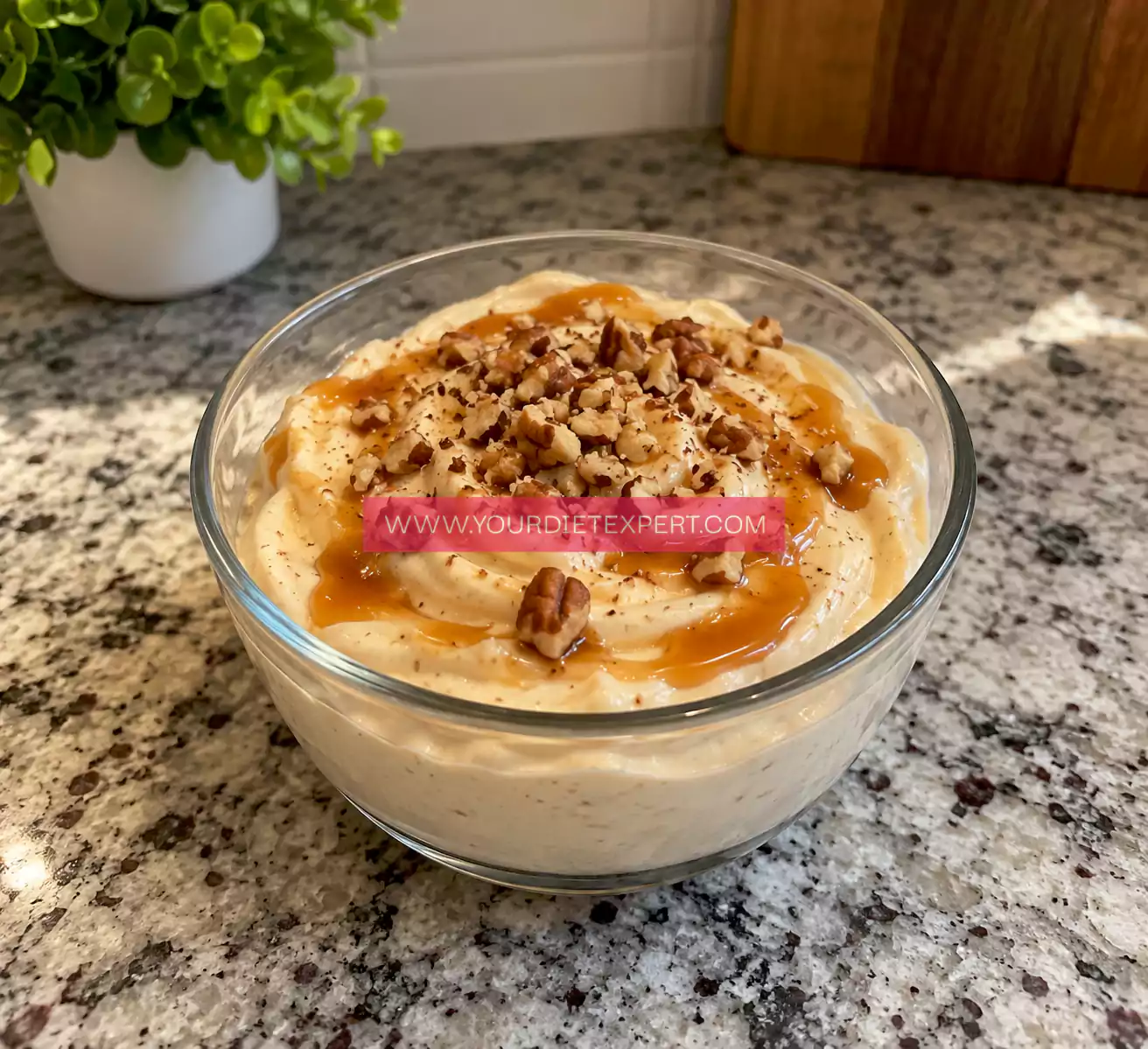

25g Protein Salted Caramel Cheesecake Pudding Recipe
Ingredients
Method
- Add the cottage cheese and Greek yogurt to a blender or food processor. Blend until completely smooth and no visible cottage cheese curds remain.
- Add the vanilla whey protein powder and blend again until fully incorporated and creamy.
- Add the caramel syrup, vanilla extract, and sea salt. Blend briefly until evenly combined.
- Check the consistency. If the pudding is too thick, add unsweetened almond milk 1 tablespoon at a time, blending briefly after each addition.
- Taste the pudding. If additional sweetness is needed, add a small amount of powdered zero-calorie sweetener and blend again.
- Divide the pudding evenly between 4 refrigerator-safe containers.
- Cover and refrigerate for at least 2 hours so the pudding can thicken and the flavors can fully develop.
- Serve chilled with optional berries, chopped pecans, cinnamon, or a small caramel drizzle.


Leave a Reply